Home / News & media / Articles
Insights
Practical guides and technical articles from our engineers on pipe testing, materials, installation and manufacturing. Pick a topic to filter.
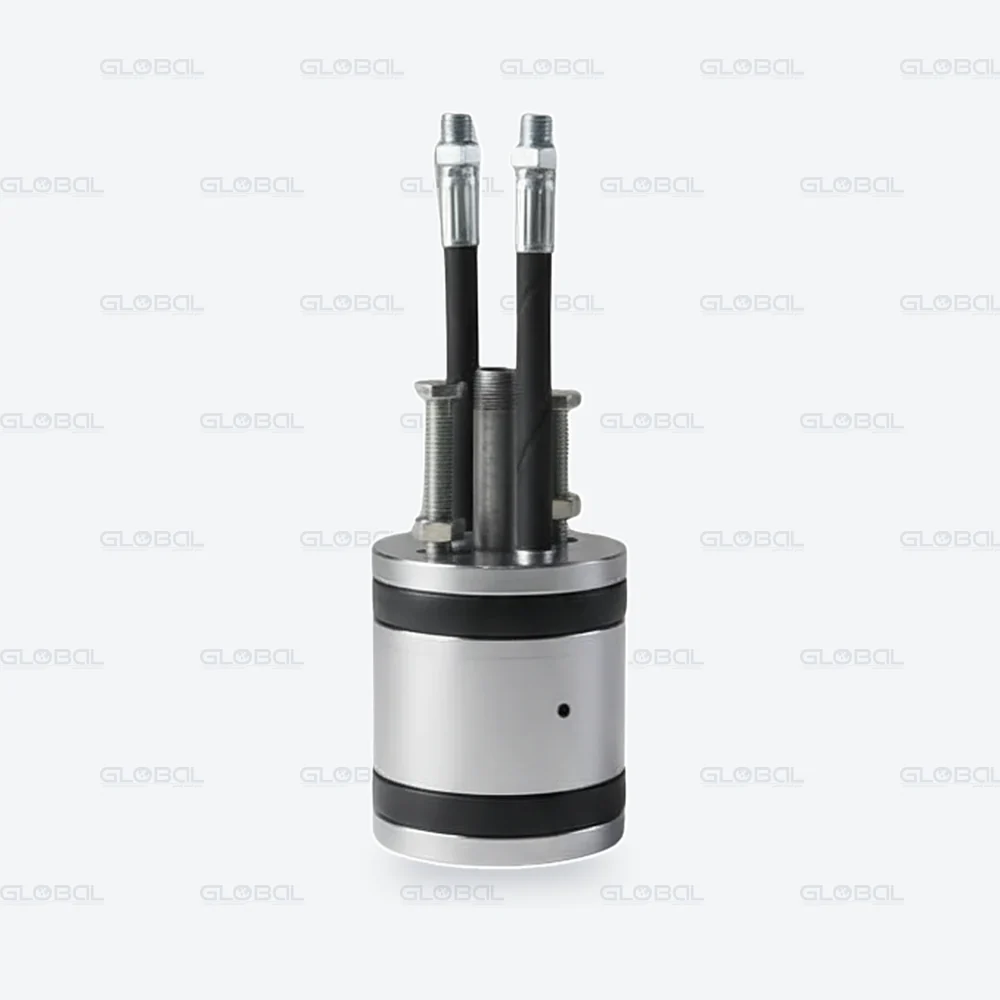
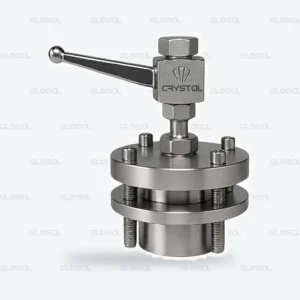
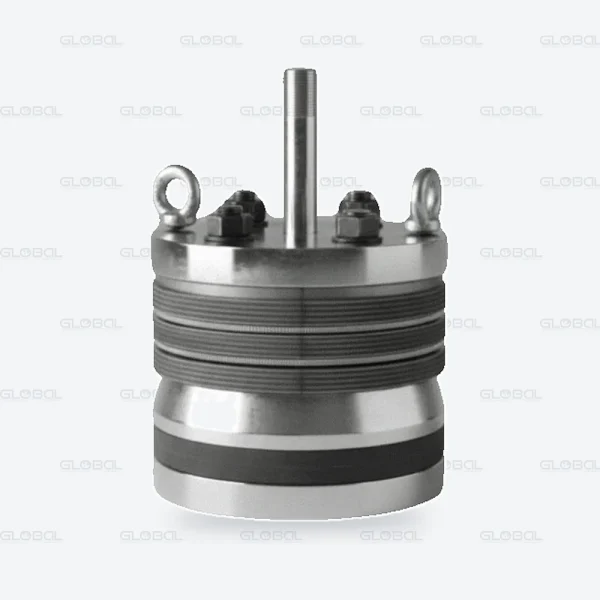
How double block weld test plugs isolate and hydrotest a single new weld with a few litres of water, and when each type fits.
5 min read ›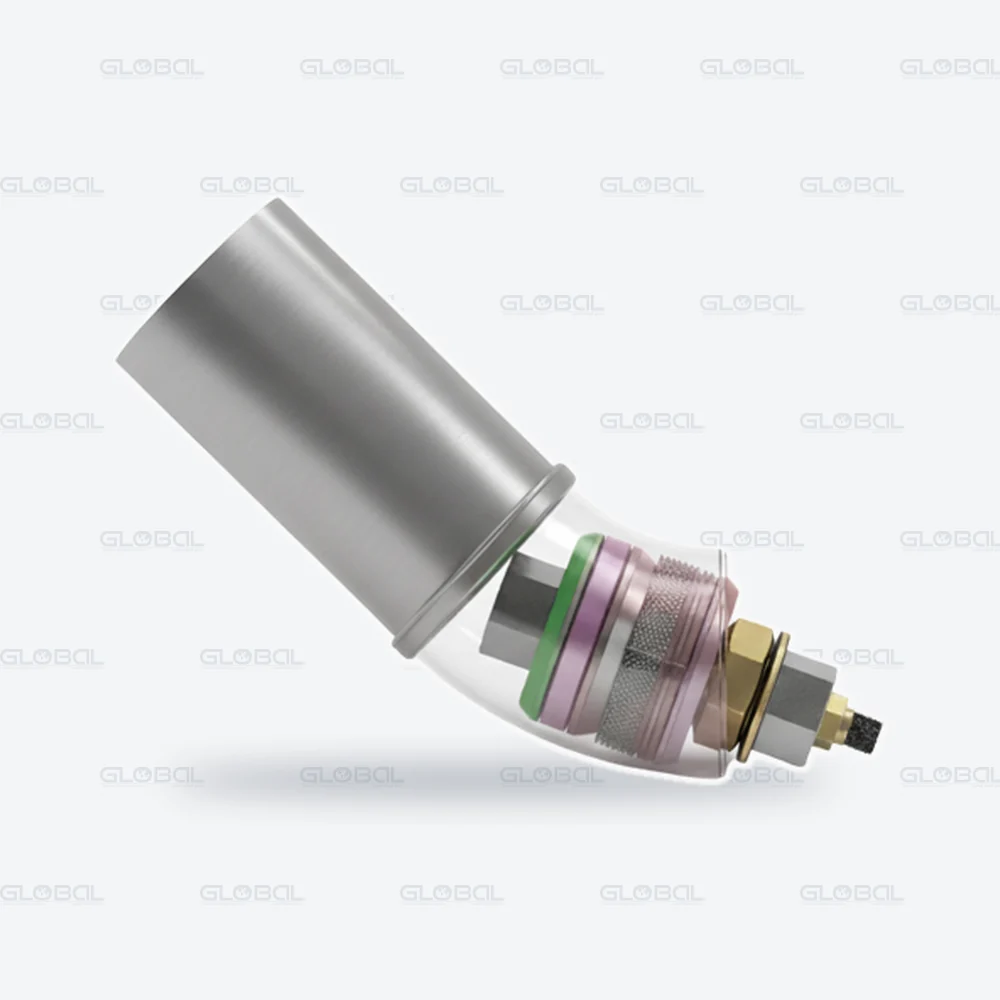
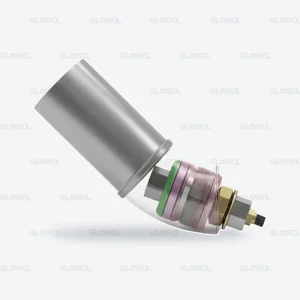
Why elbows are hard to plug, how a self-aligning elbow test plug works, and the pressure limits to respect.
4 min read ›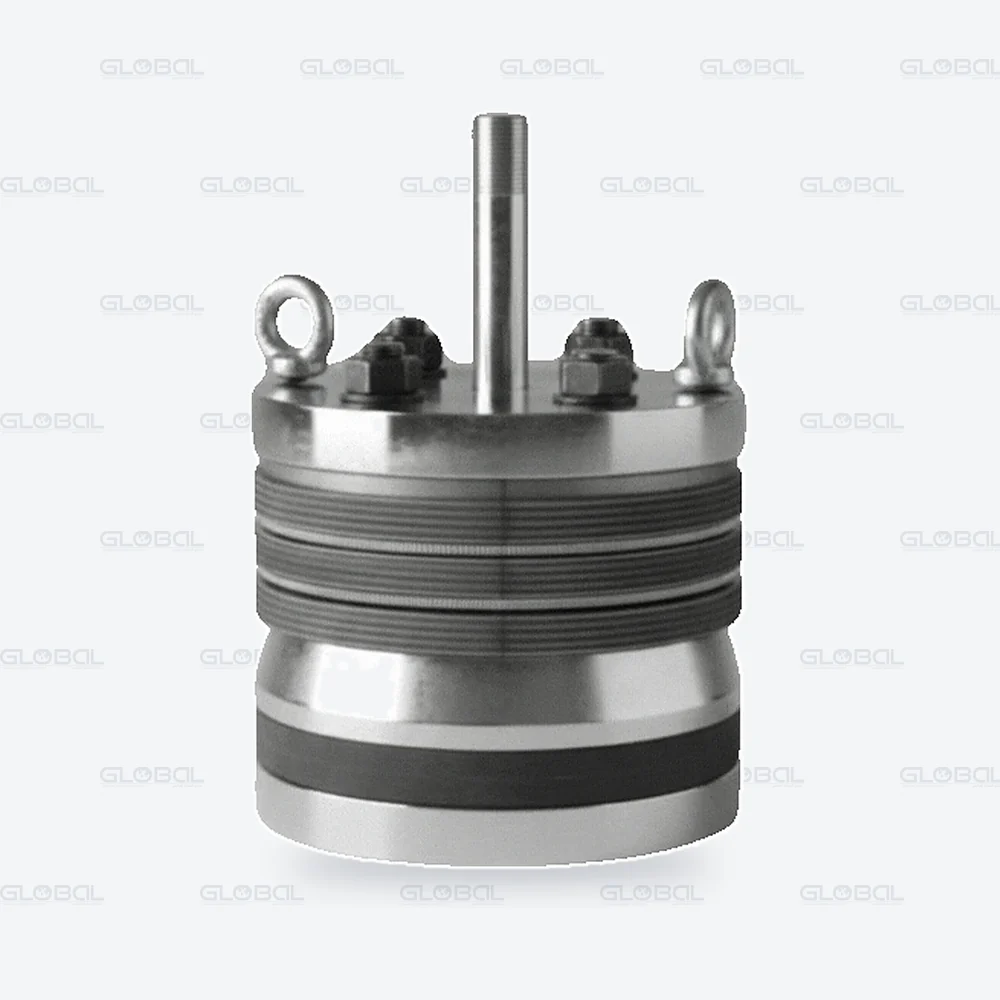
What a pipe schedule is, how it changes the bore, and why internal test plugs are chosen by size and schedule.
4 min read ›
The two ways to leak-test gravity drains and sewers, what each one shows, and what to check in the standard your project uses.
5 min read ›
How to work out the end force on a plug from the test pressure and the bore, with a worked example and the safety rules that follow.
4 min read ›Why the plug at the bottom of a sloping test section sees more pressure than the gauge shows, and how to allow for it.
4 min read ›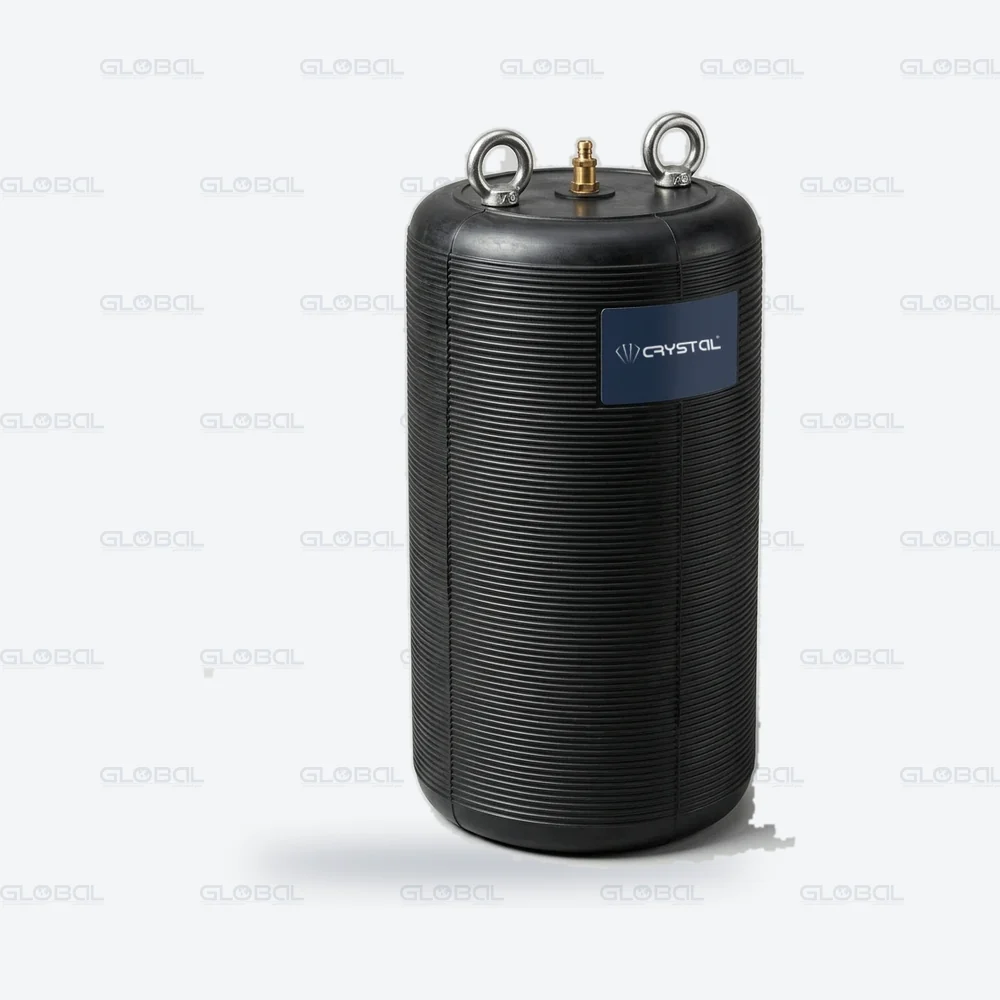
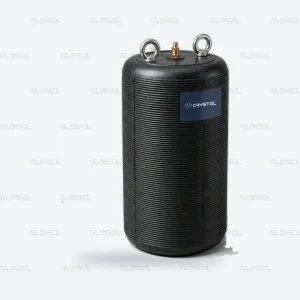
How inflatable stoppers and bypass plugs block or divert flow so crews can work, and the safety limits that apply.
5 min read ›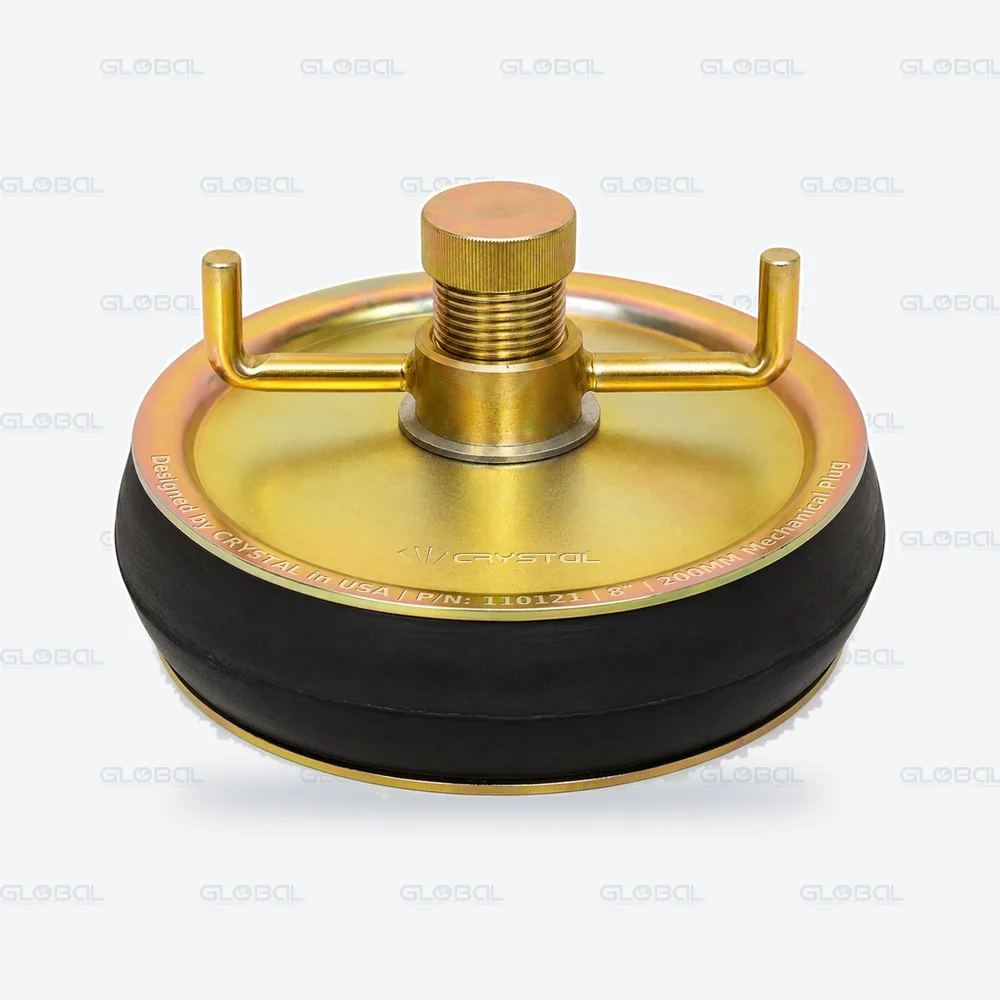
What changes between PVC, polyethylene, GRP and steel pipe when you plug and test them, and which plugs are made for each.
4 min read ›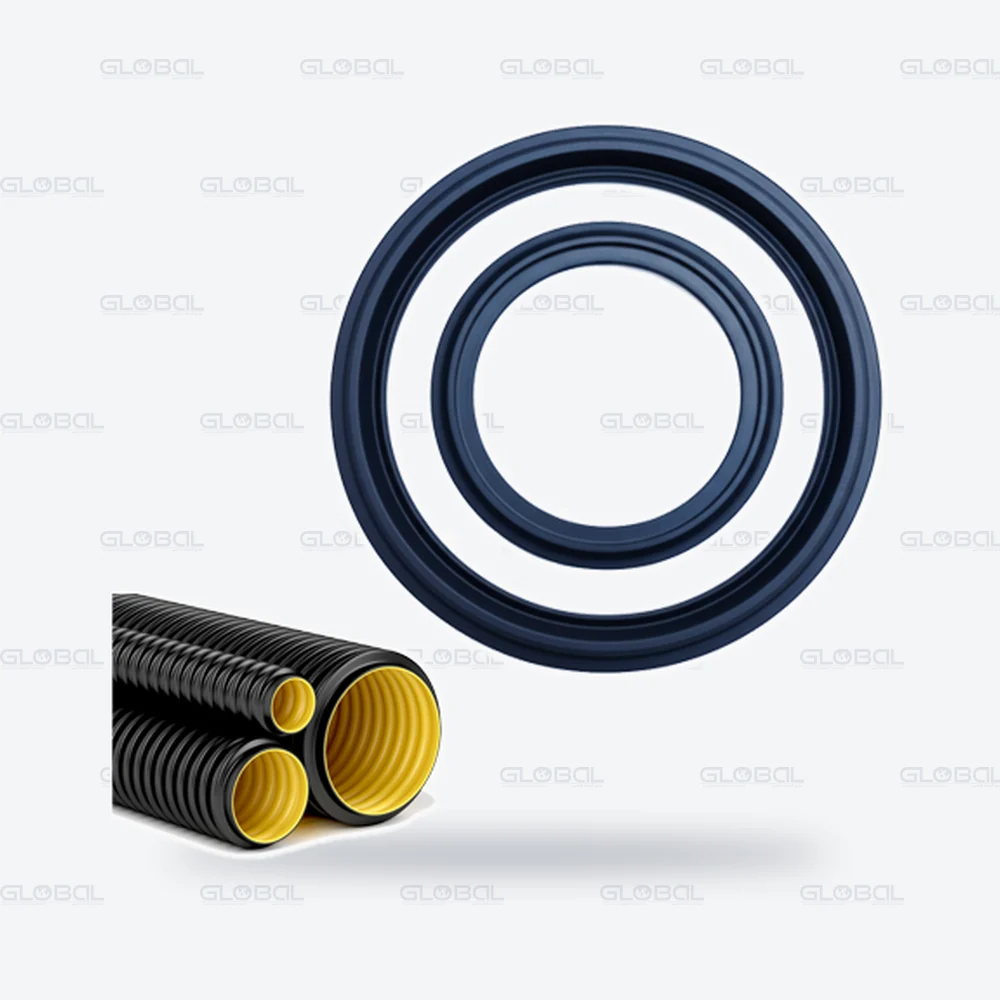
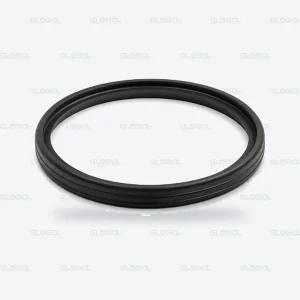
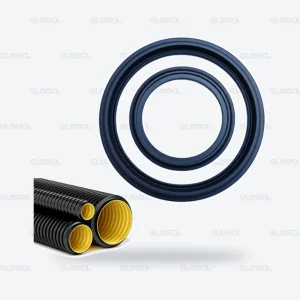
Where the sealing ring sits on a structured-wall pipe, what the standards ask of it, and how to make a good joint on site.
4 min read ›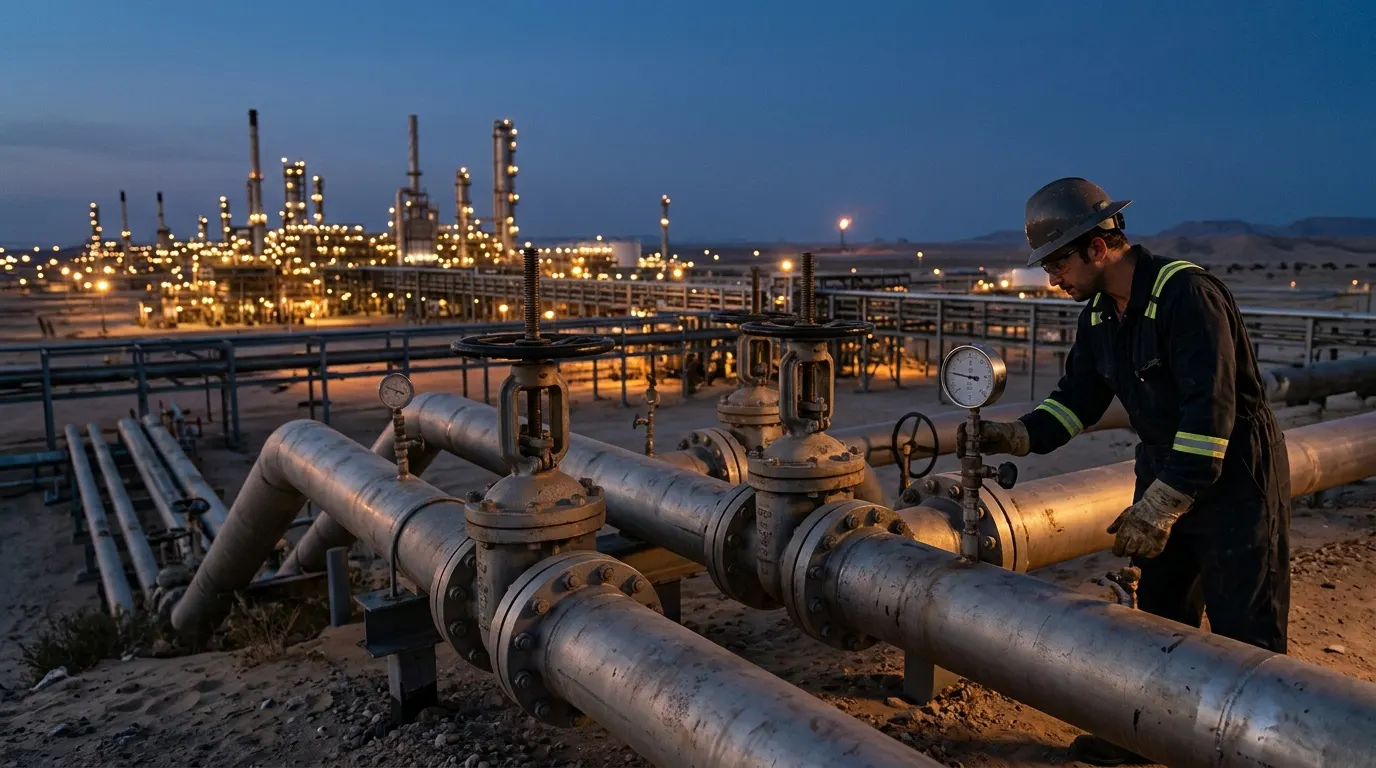
A plain guide to how three common codes set the minimum hydrostatic test pressure, with worked examples.
5 min read ›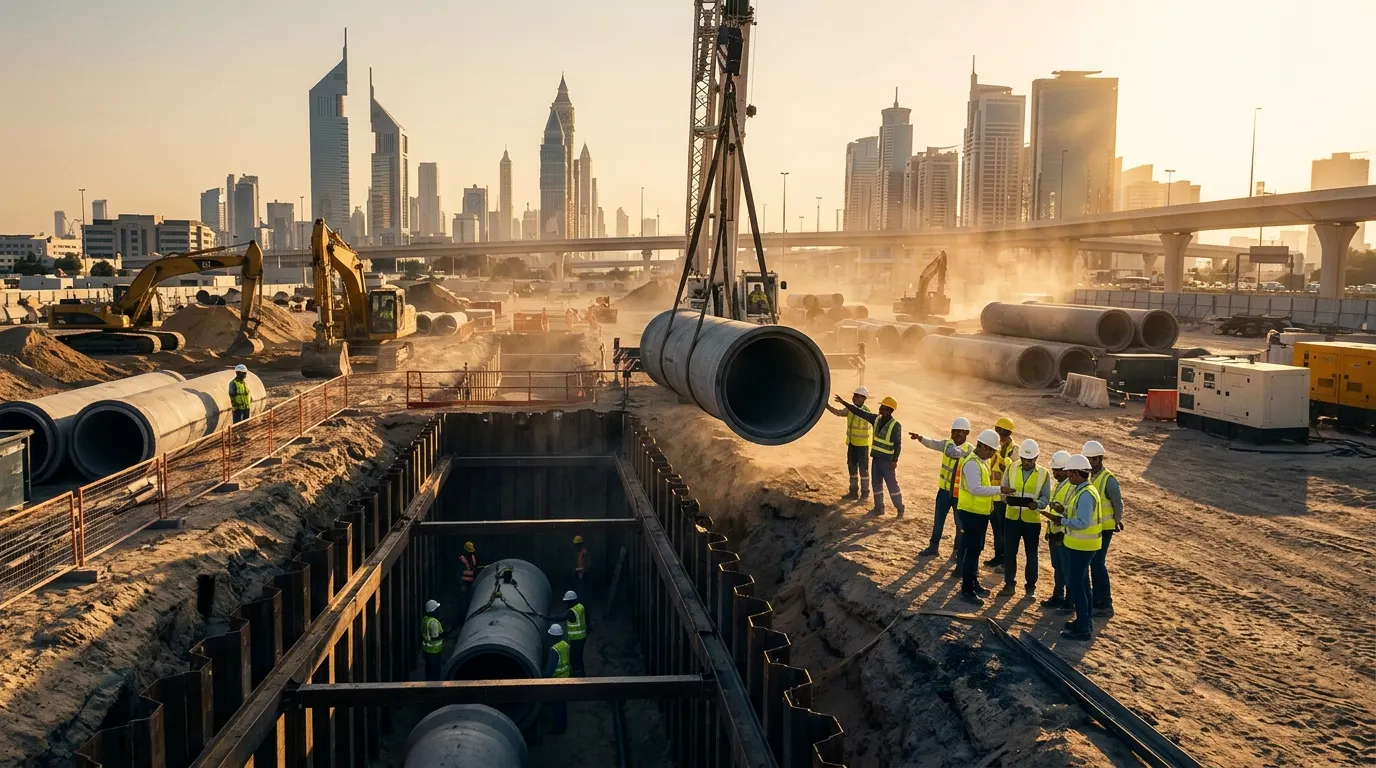
Pipe size, test pressure, test medium and pipe end: the four questions that decide which test plug fits your job.
5 min read ›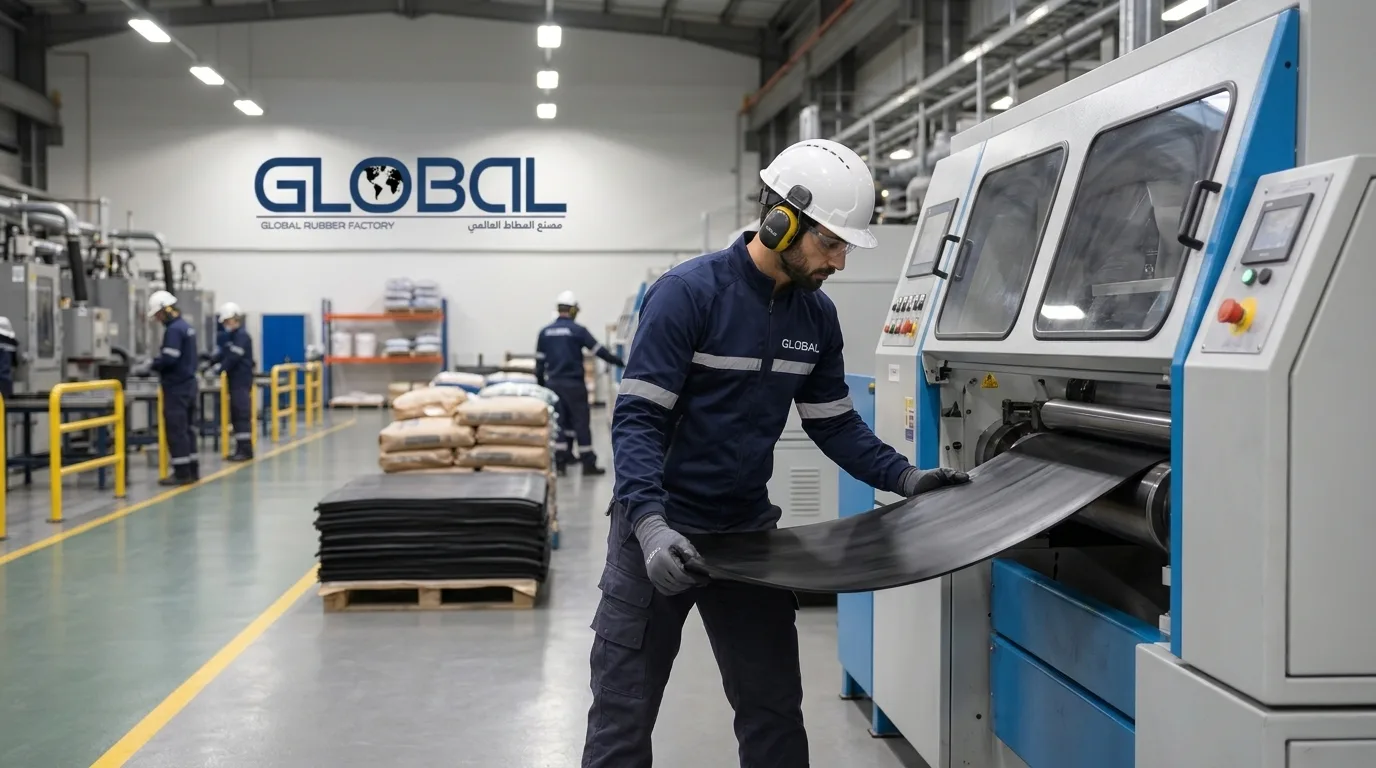
A practical comparison of the four rubbers most used in seals, rings and gaskets, and how to choose by fluid, temperature and weather.
4 min read ›Why water tests are generally preferred, and the basic safety rules for any pipeline pressure test with test plugs.
5 min read ›
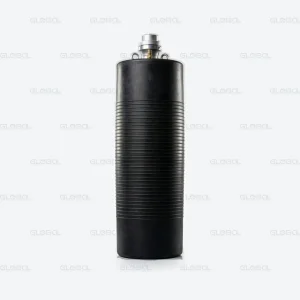
Sizing, inflation, back pressure and inspection: practical rules for using inflatable plugs and stoppers on site.
4 min read ›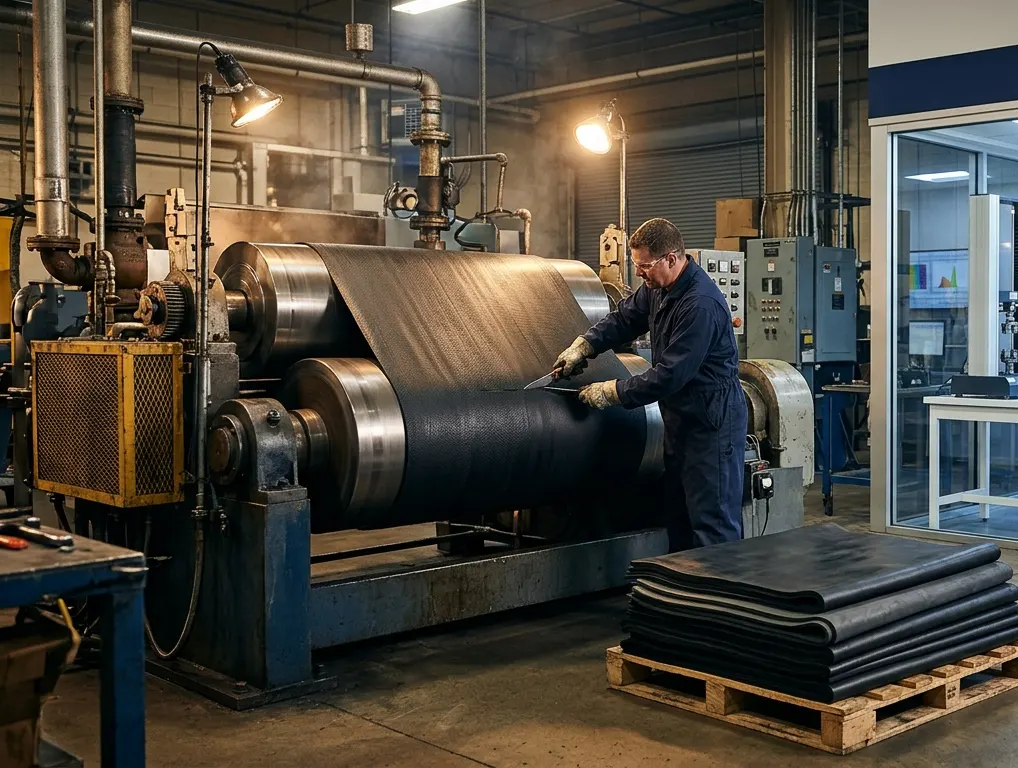
What natural rubber does best, what synthetic rubbers add, and how engineers choose between them for seals and moulded parts.
5 min read ›Why EPDM is the default rubber for water and outdoor seals in hot climates, and where it should not be used.
4 min read ›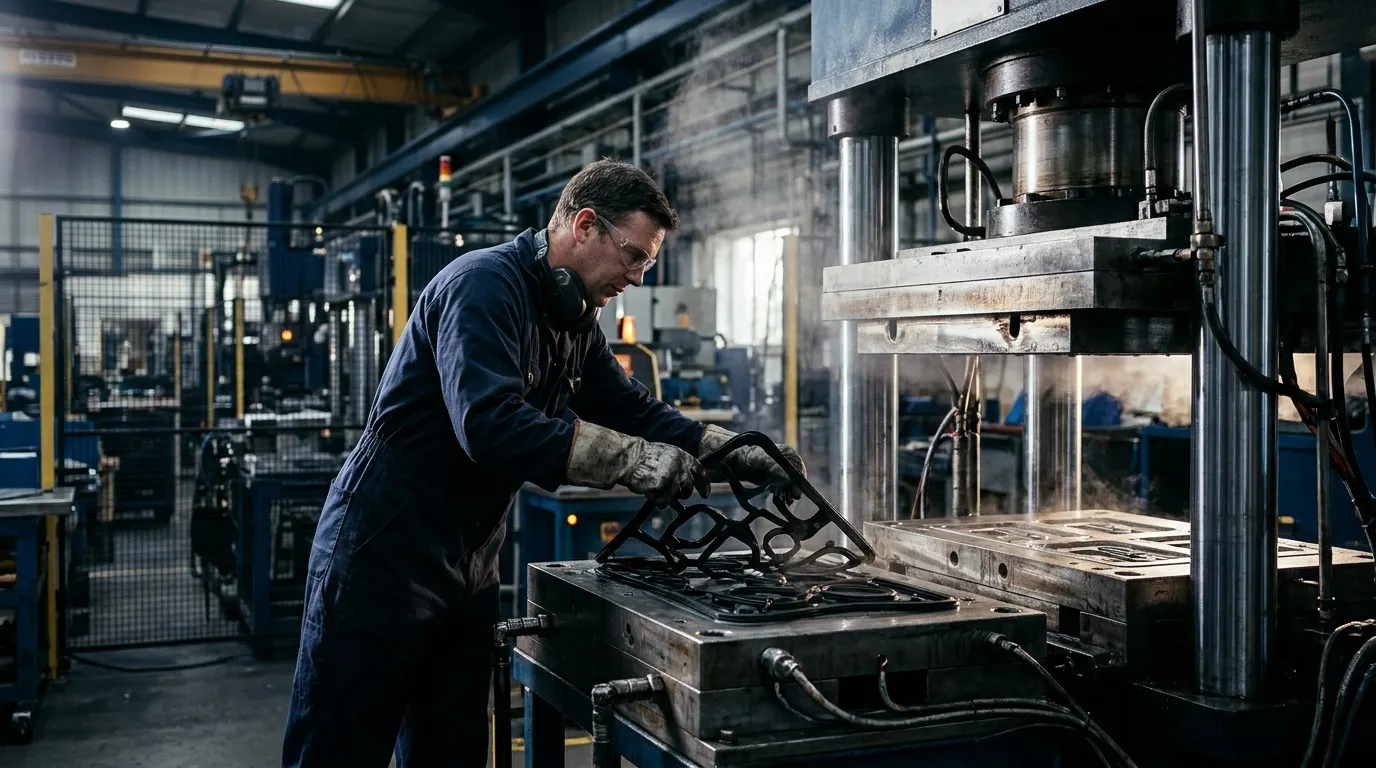
From raw polymer to a finished part: the ingredients of a compound, how it is mixed, and what vulcanisation does.
5 min read ›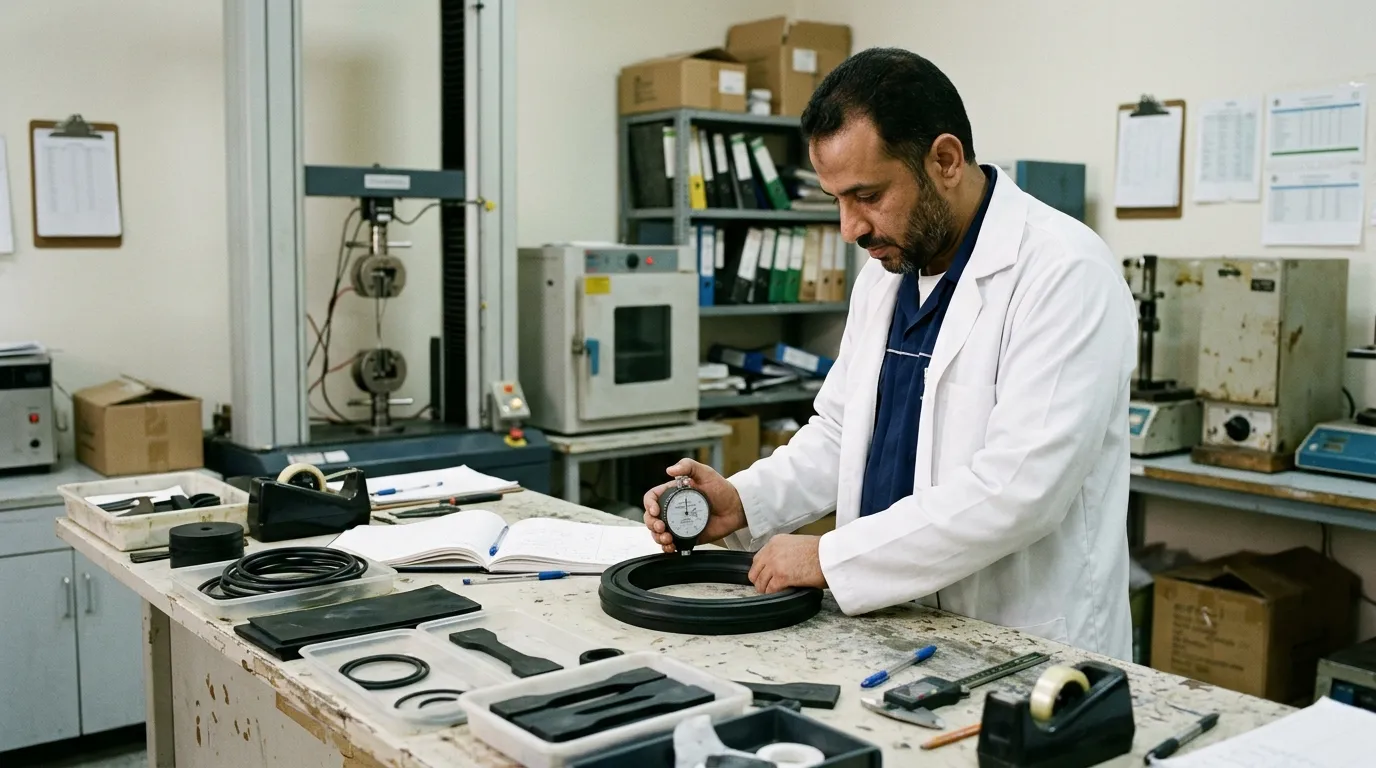
What the hardness number on a rubber drawing means, how Shore A and IRHD are measured, and why the tolerance matters.
4 min read ›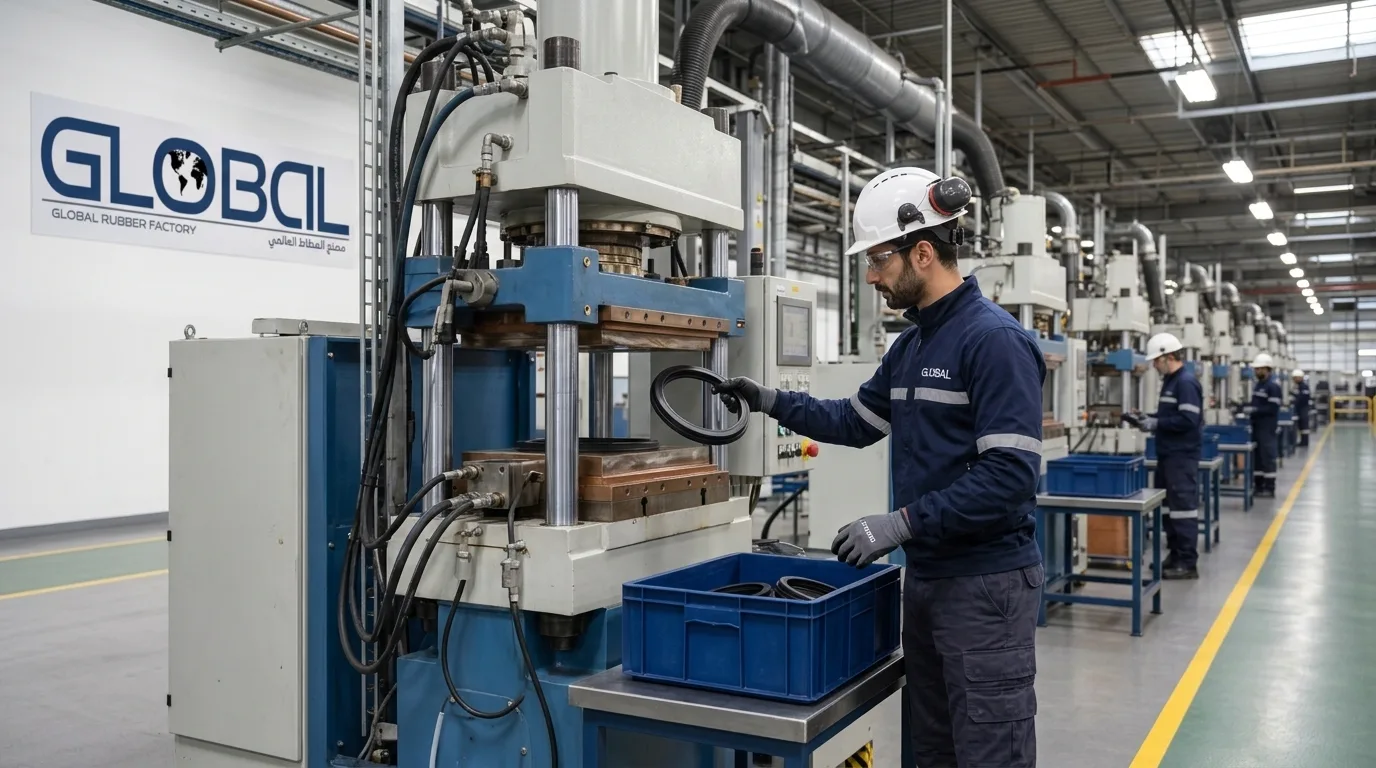
The three main ways to mould rubber parts, what each is good at, and how quantity and shape decide the method.
5 min read ›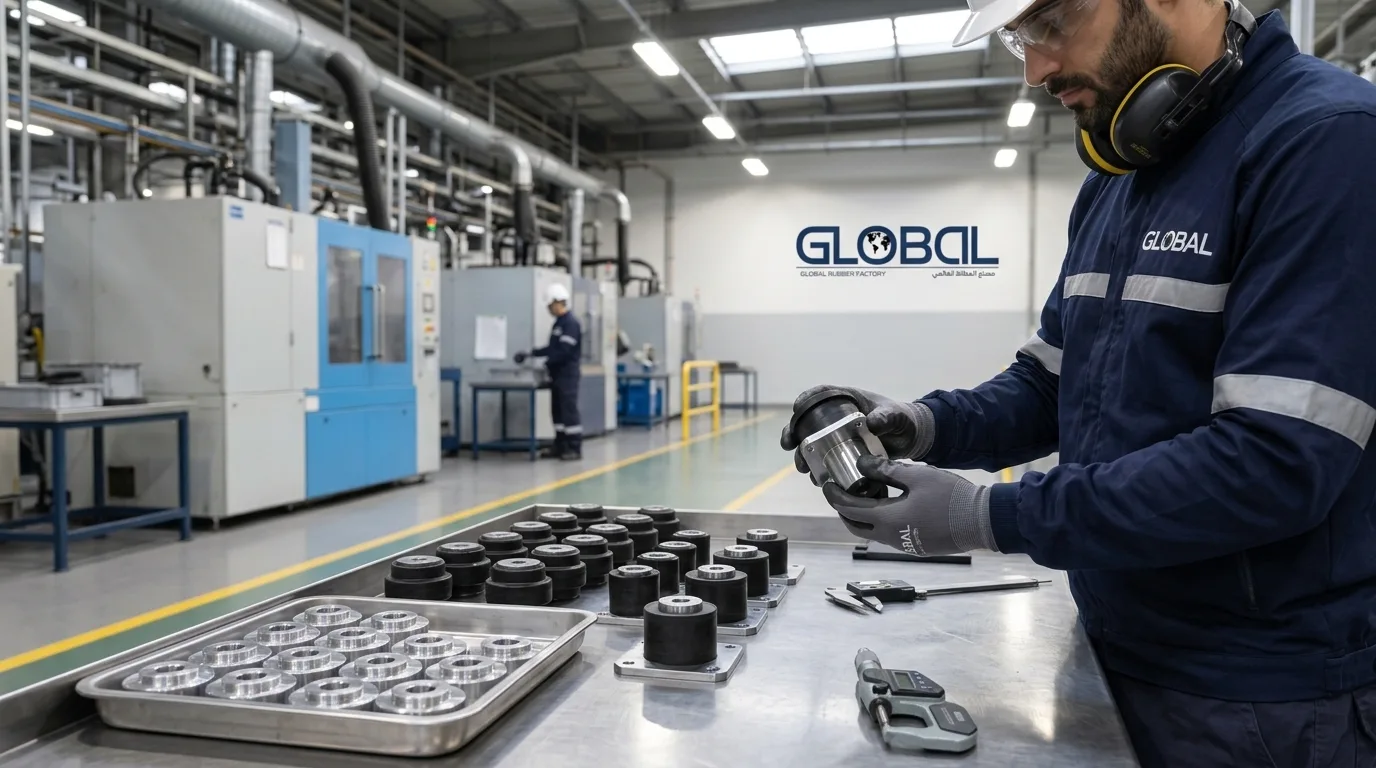
Surface preparation, bonding agents and moulding: the steps that make rubber and metal act as one part.
4 min read ›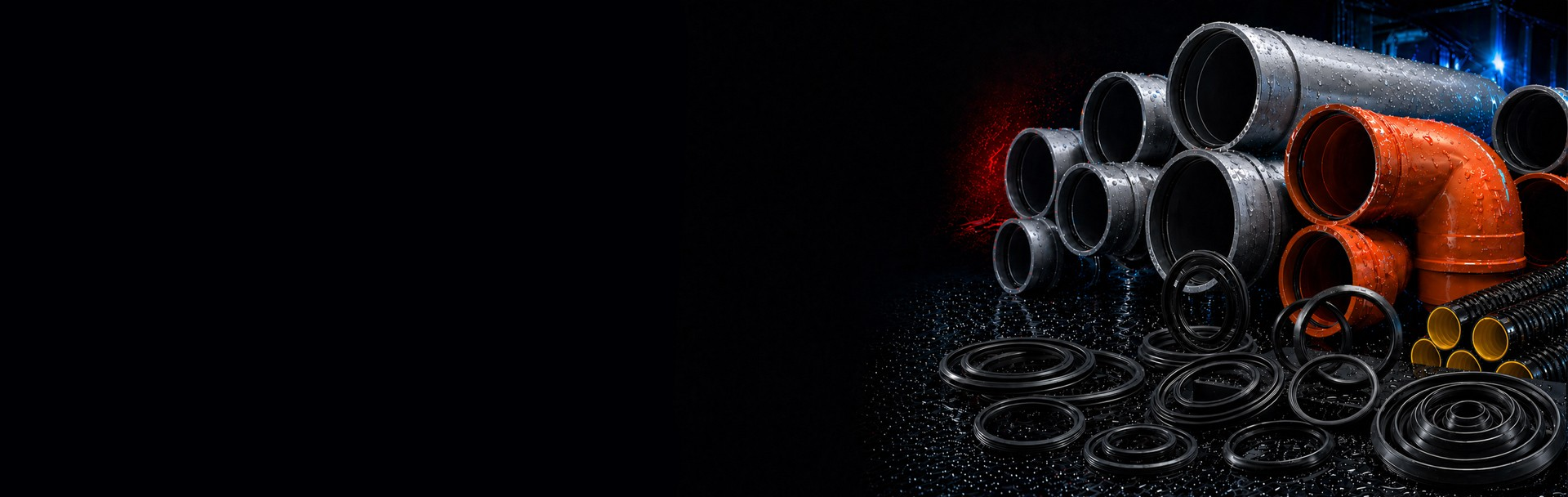
What the European standard for pipe-joint seals checks, why potable water needs extra approval, and what to ask your ring supplier.
5 min read ›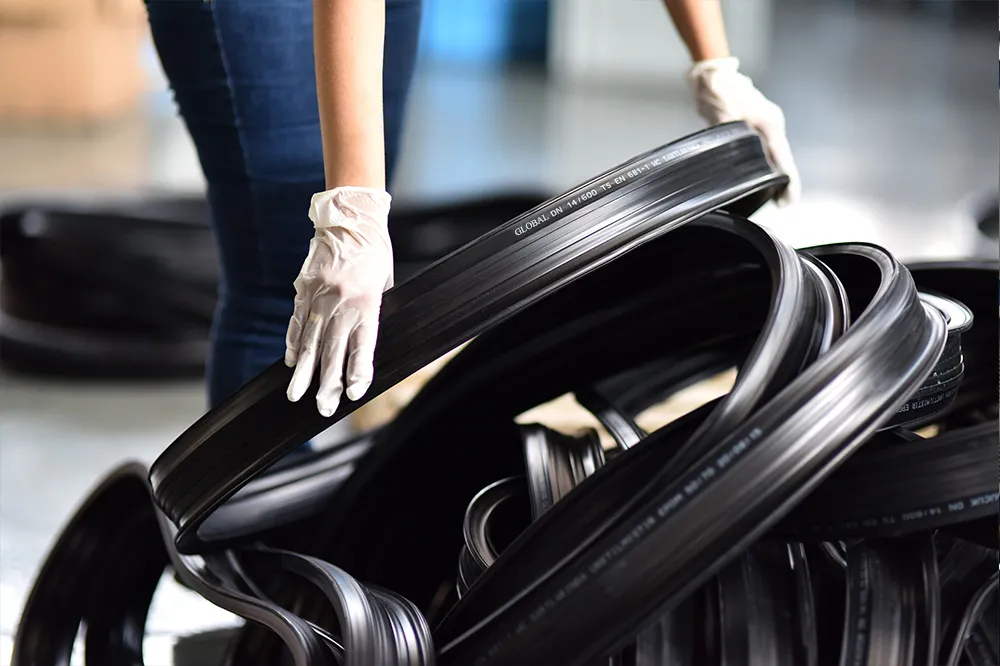
Heat, light, ozone and deformation age rubber in the store. Simple rules, based on ISO 2230, keep seals and rings ready for use.
4 min read ›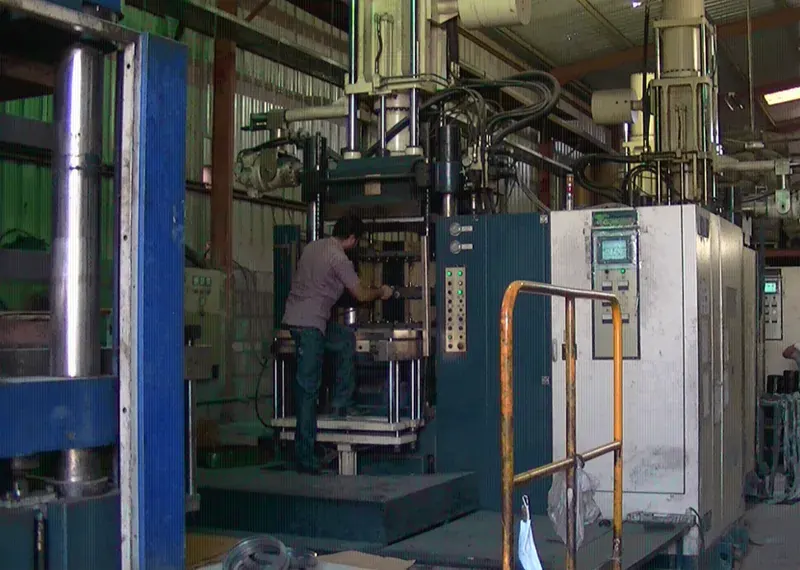
Why vulcanised rubber is hard to recycle, the main recycling routes, and what a factory can do to cut waste at the source.
4 min read ›e.g. test plug, CL-PLUG, rubber ring, EPDM