

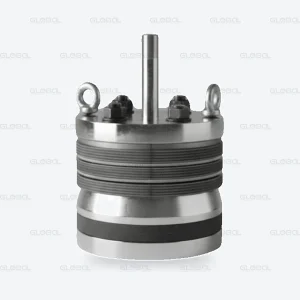
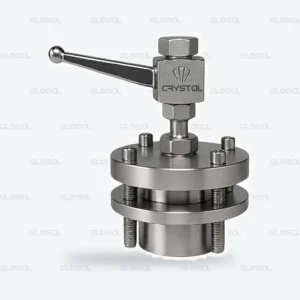
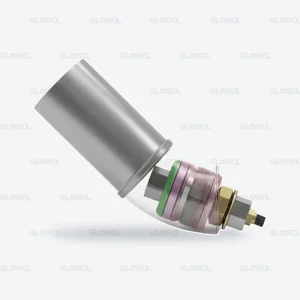
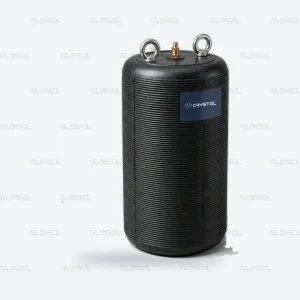
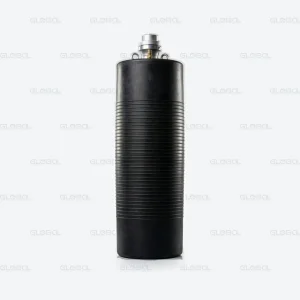
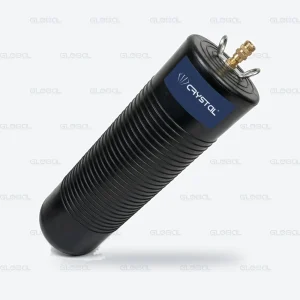
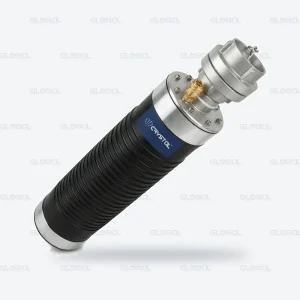
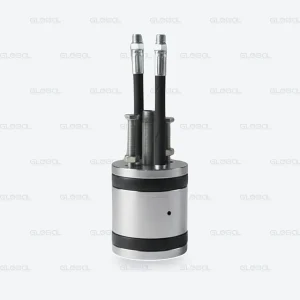

Few pipelines are perfectly level. When a test section climbs or falls, the water column adds pressure at the low end. The plug there must be chosen for that higher pressure.
How much pressure the water adds
Each unit of height adds the weight of the water above it:
- 0.433 psi per foot of height difference.
- 0.098 bar per metre (9.81 kPa per metre).
A section with a 33 ft (10 m) rise adds about 14.2 psi (0.98 bar) at the bottom. On a 100 psi (6.9 bar) test, the low-end plug then sees about 114 psi (7.9 bar).
Where the gauge is matters
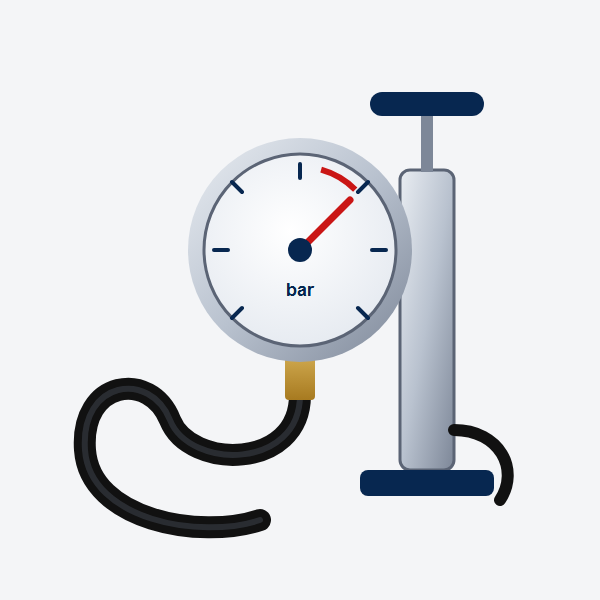
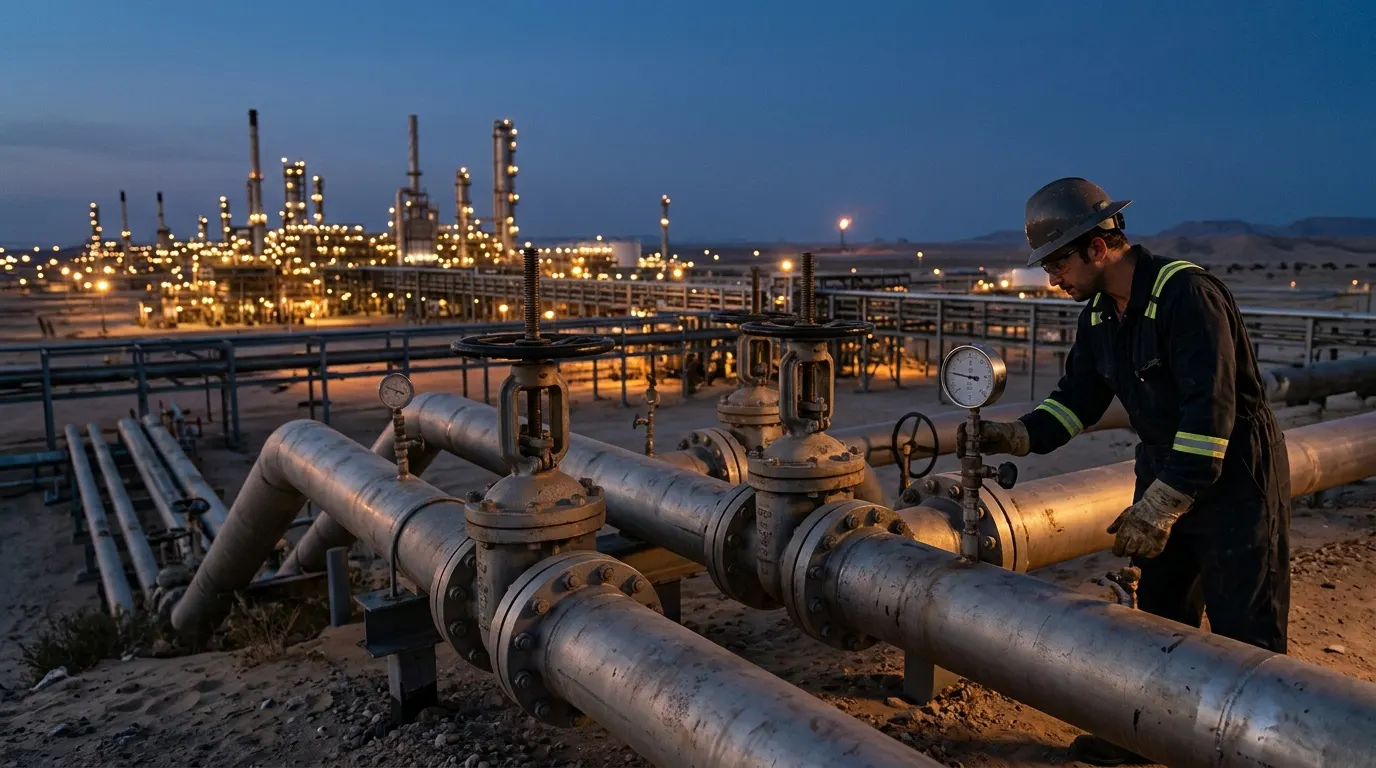
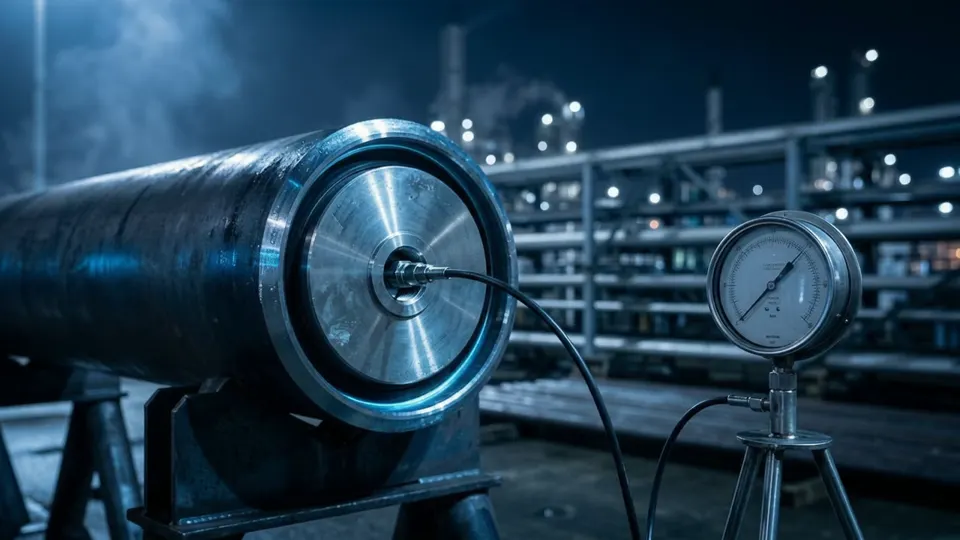
The test pressure in a specification is often defined at a given point, such as the lowest point of the section. Read the gauge position in your procedure and correct the reading for the height difference if the gauge sits elsewhere.
Filling and venting
- Fill from the low end so the water pushes the air ahead of it.
- Vent at the high points until only water comes out.
- Air left in the line makes the test slow, unstable and more dangerous.
Choosing the plugs
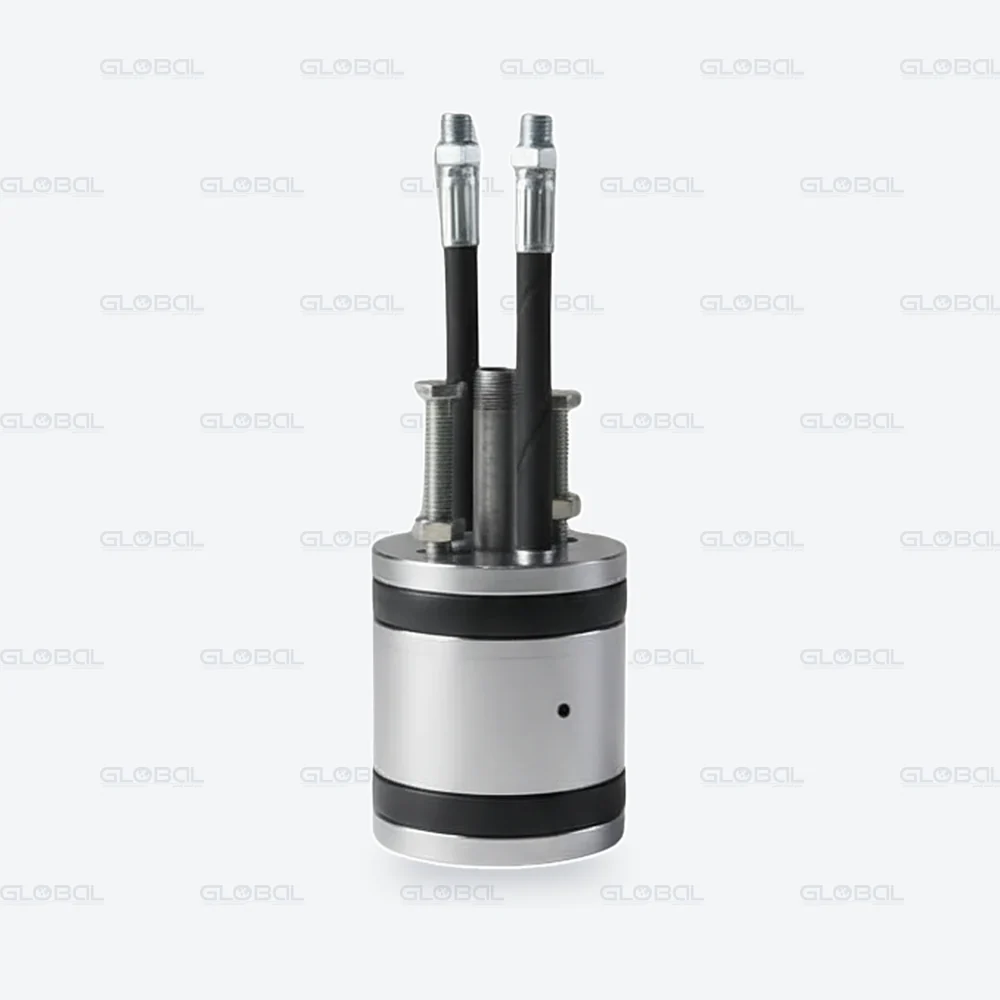
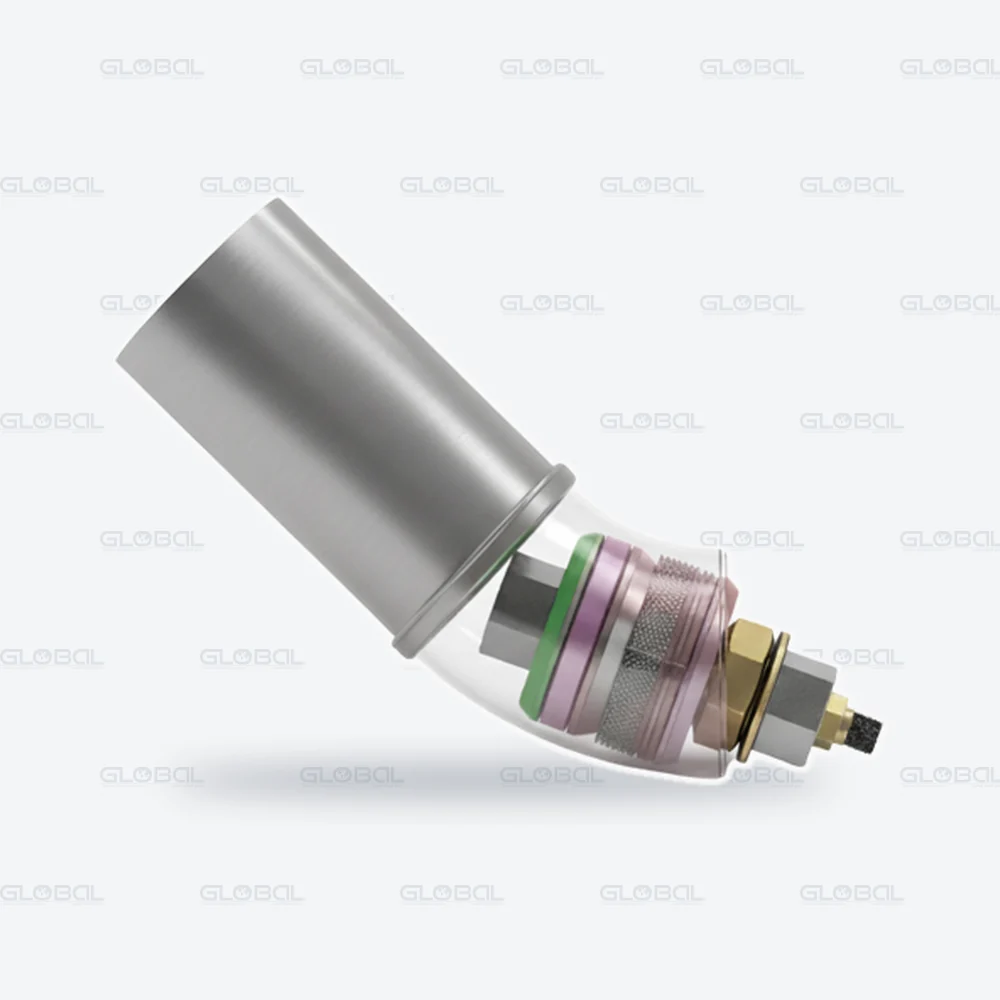
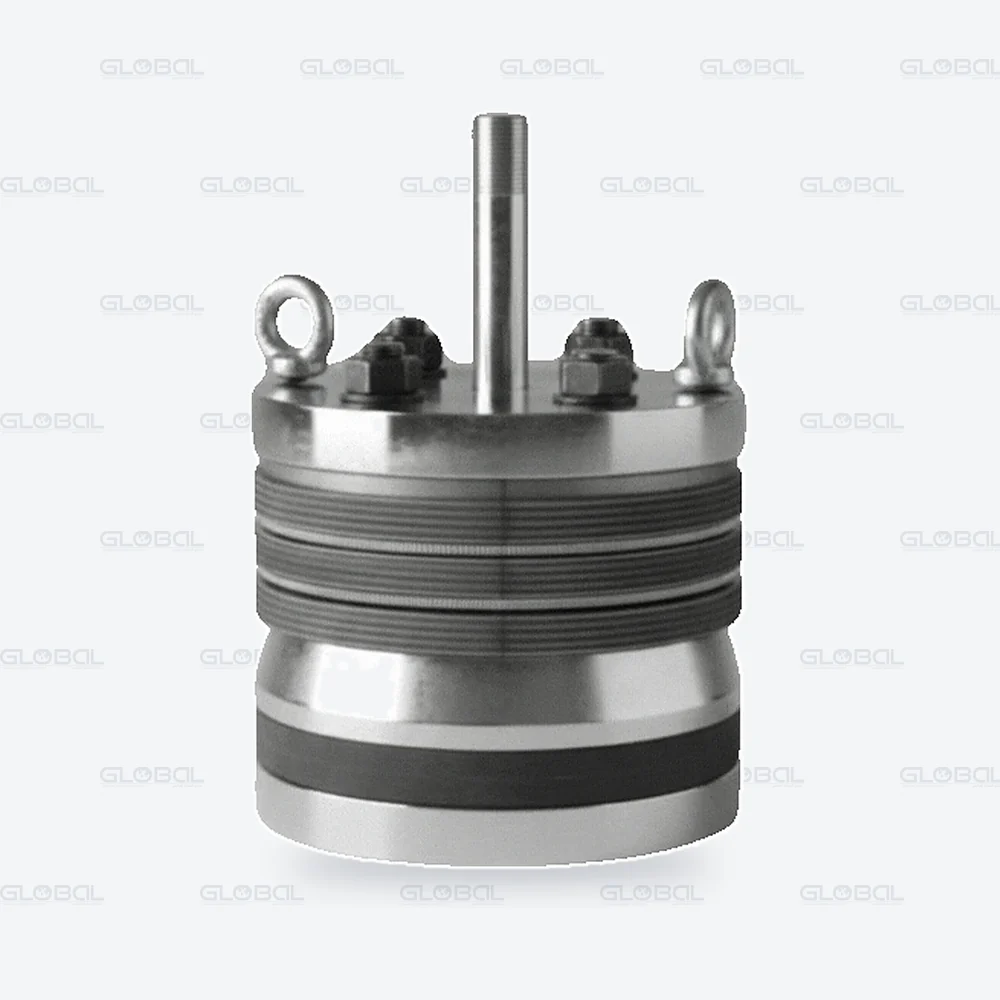
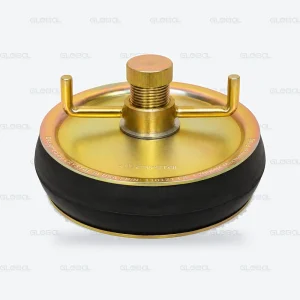
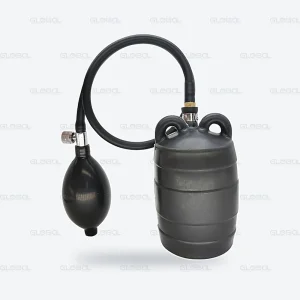
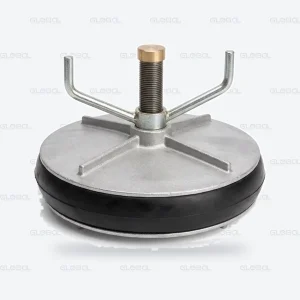
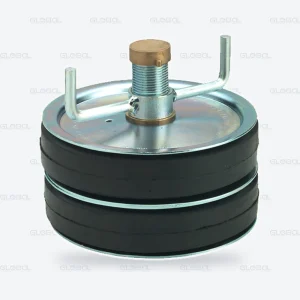
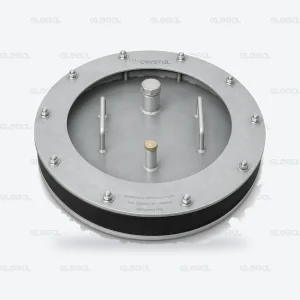
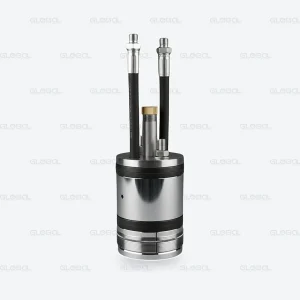
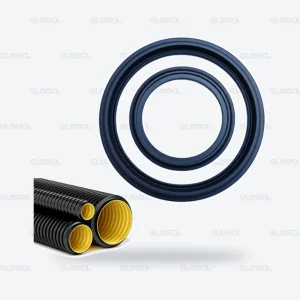
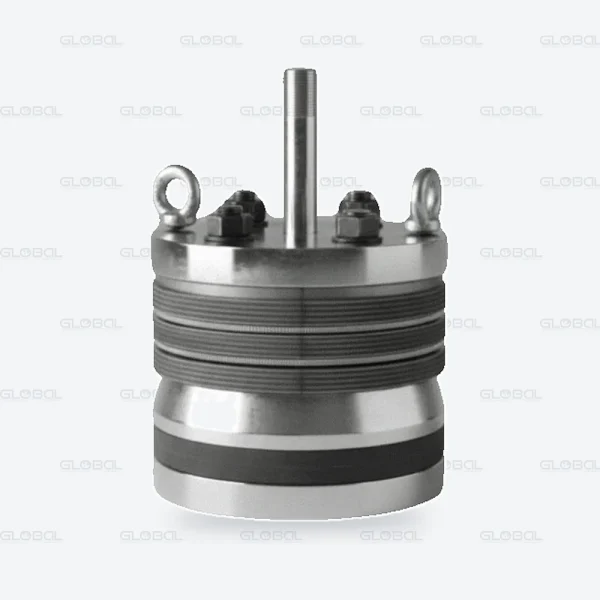
Check the bottom plug against the low-end pressure, not only the gauge reading. The plug selector and pipe calculator on our tools page add the height difference for you and suggest plugs that cover the result.
This article is general guidance. Always follow your project specification and the manufacturer’s instructions.