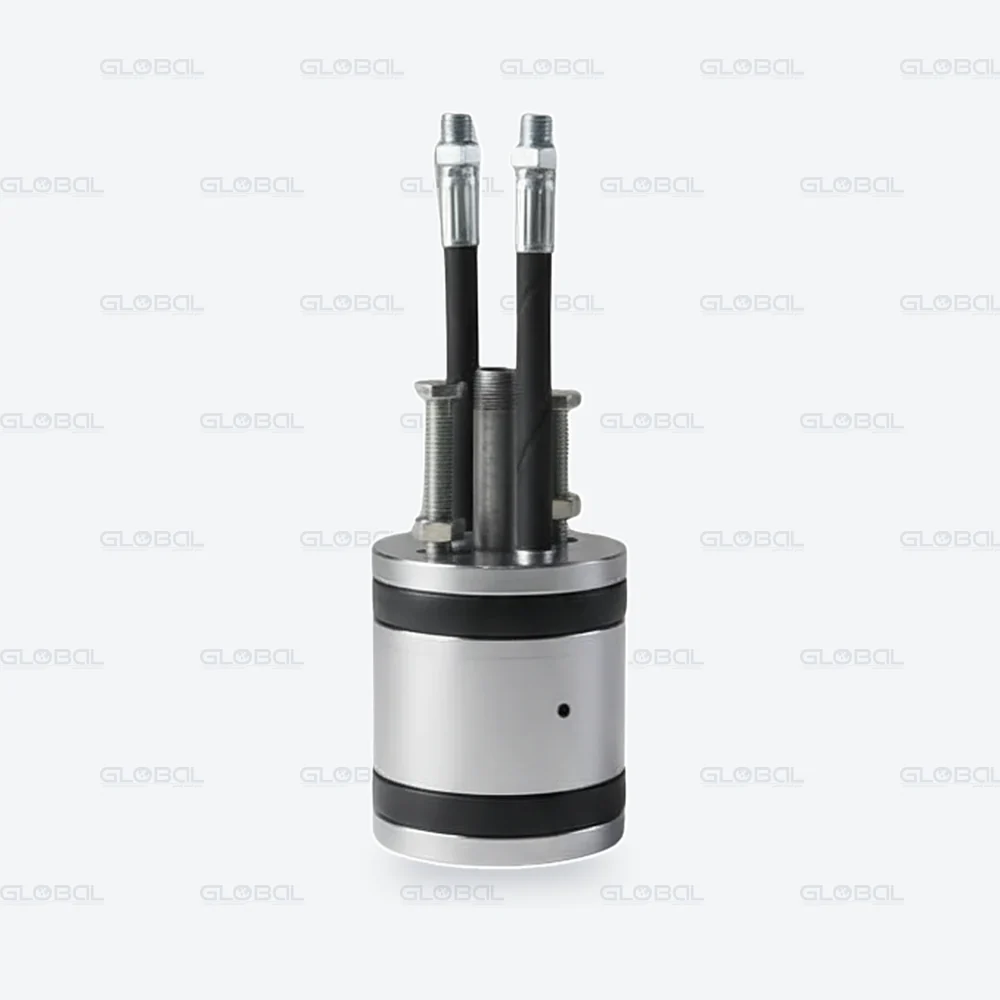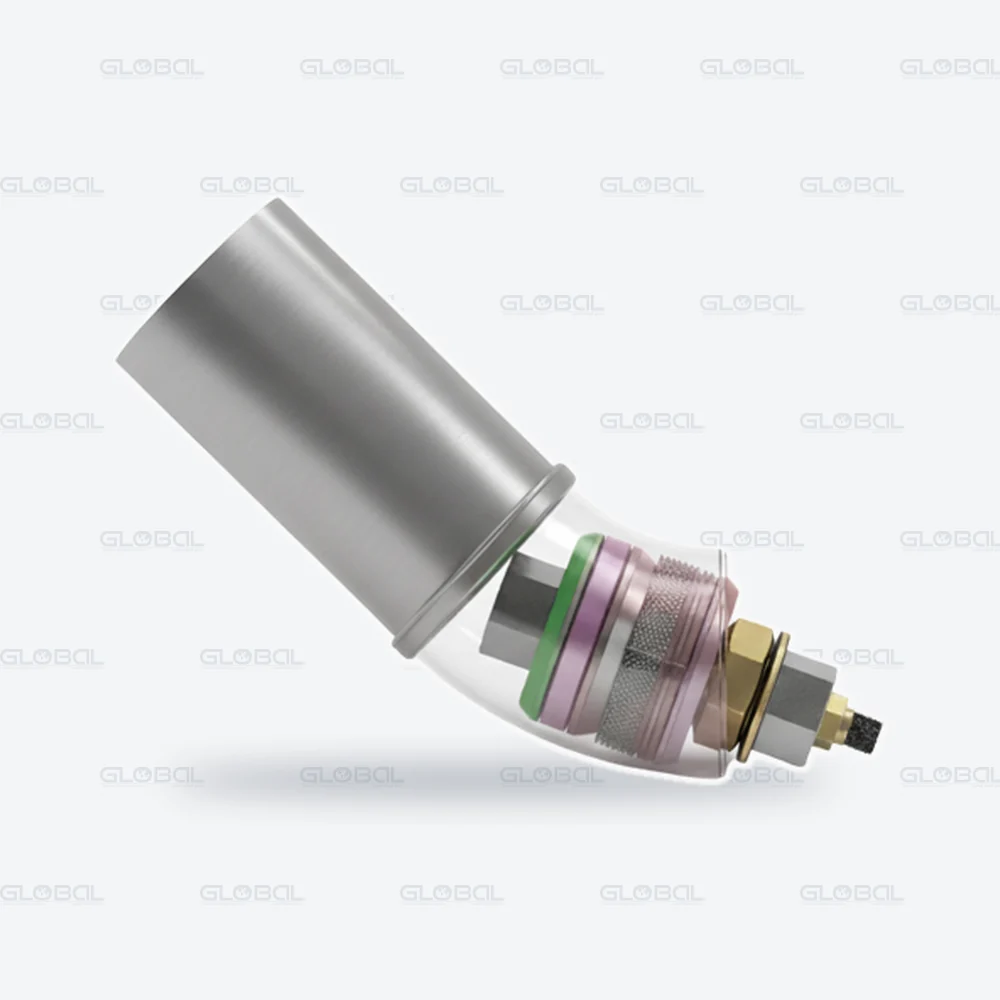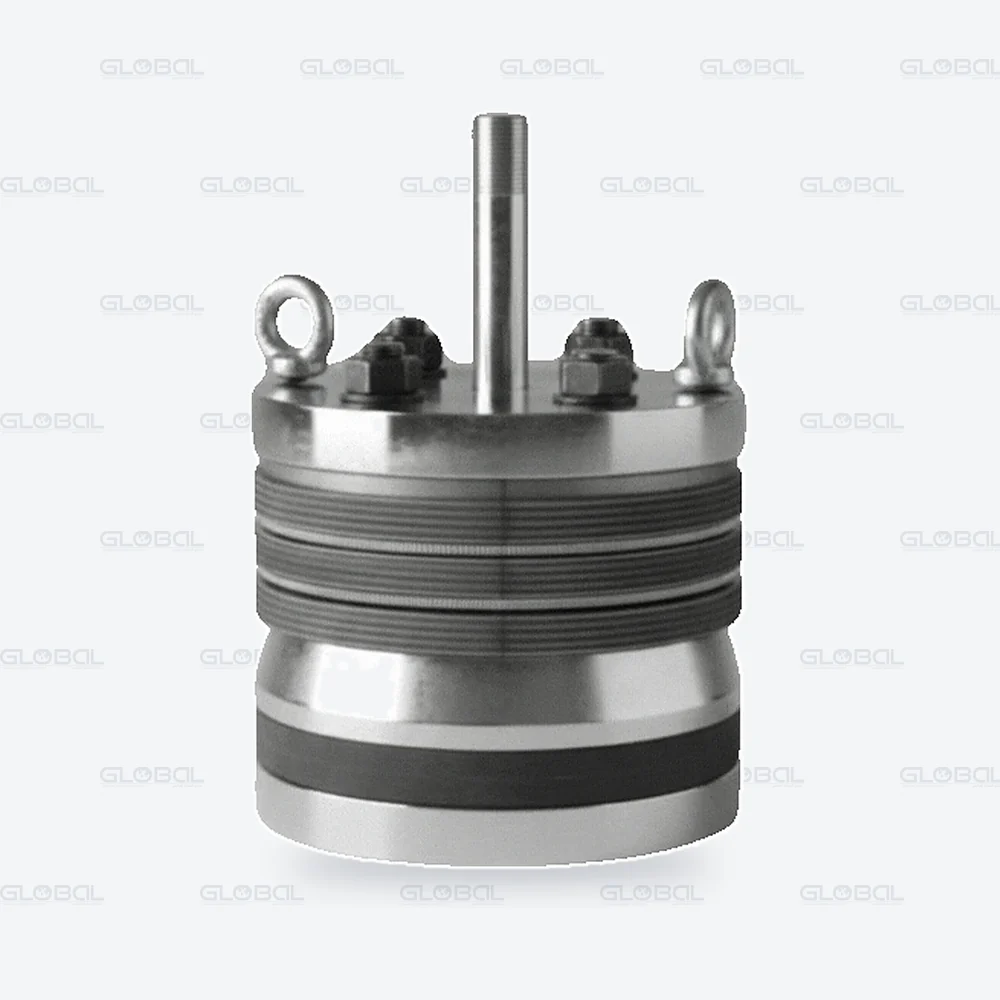
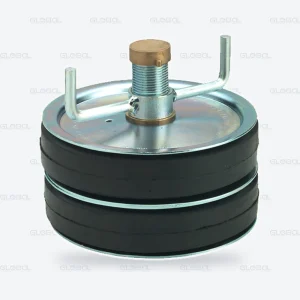
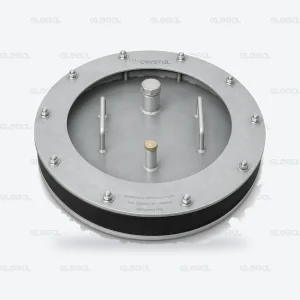
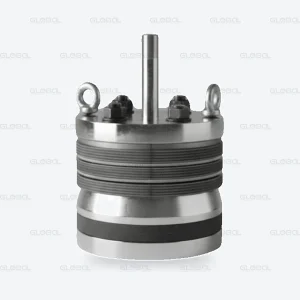
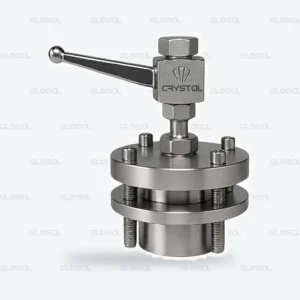
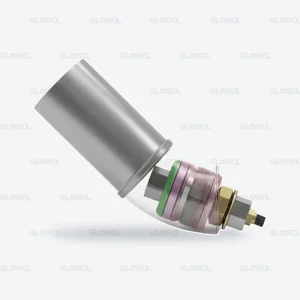
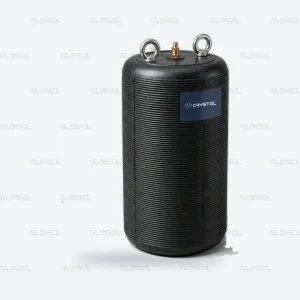
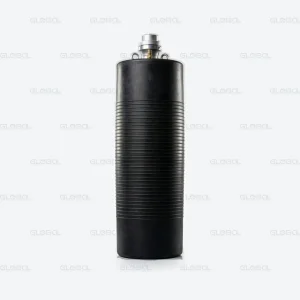
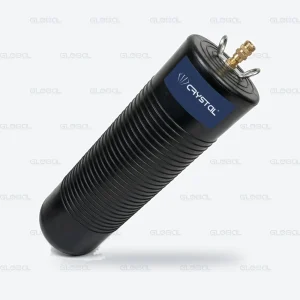
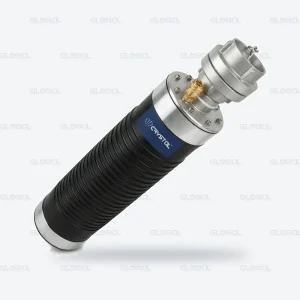
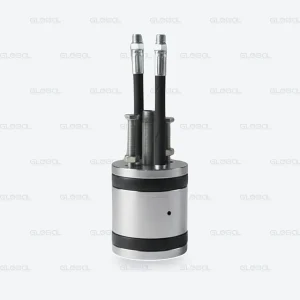
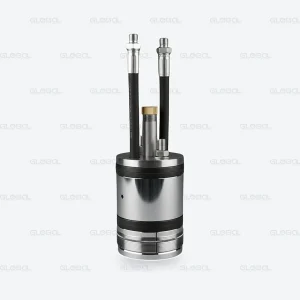
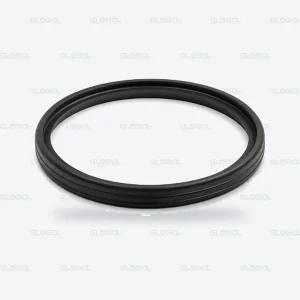
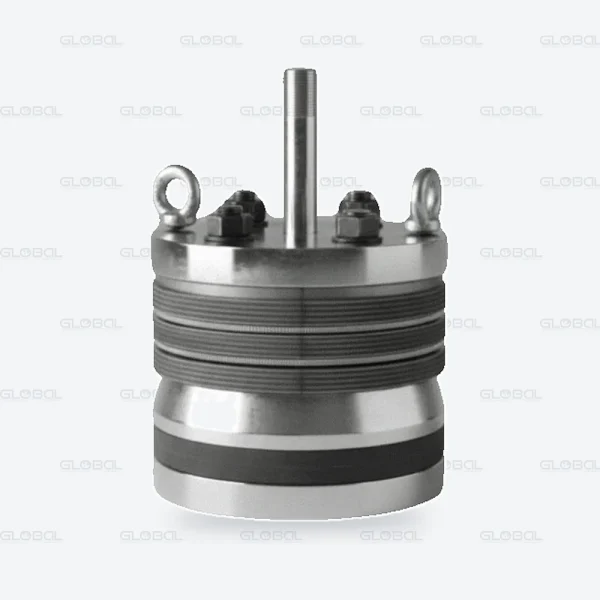



Repairs, connections and inspections often have to be done on sewers that are still in use. Inflatable plugs block the flow, or pass it through a bypass, so the work area stays dry.
Stopper or bypass plug
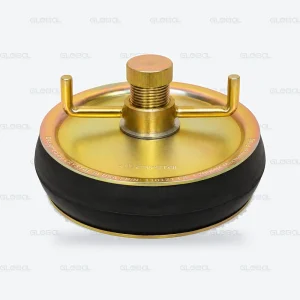
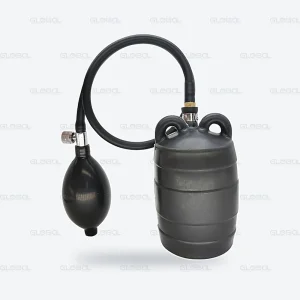
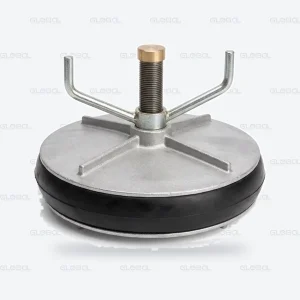
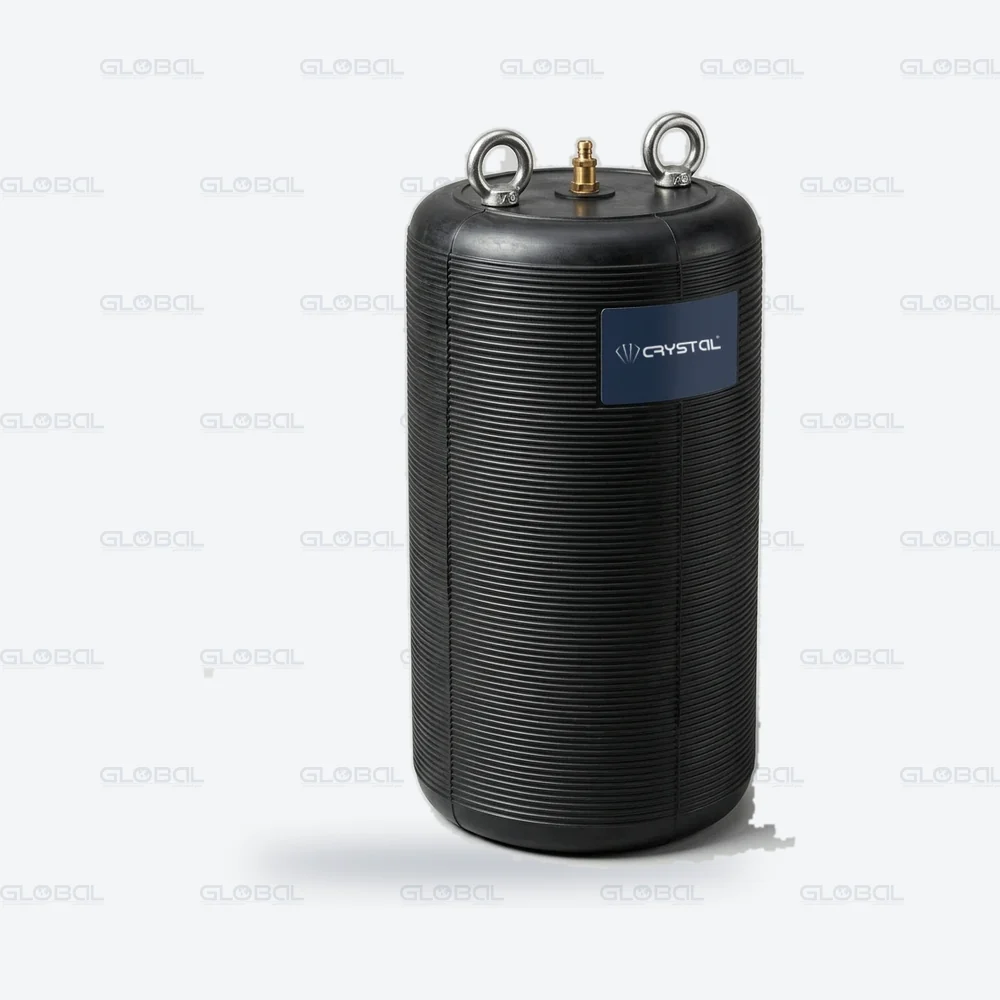
- An inflatable stopper such as INFLA-STOP™ blocks the pipe completely.
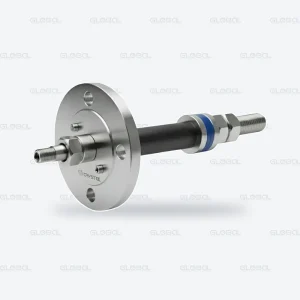
- A bypass plug such as INFLA-TEST™ seals the pipe while flow passes through its body, or lets you fill, vent and drain.
- For higher back pressure, INFLA-PSTOP™ is rated to 87 psi (6 bar) working pressure.
Know the two pressure limits
Every inflatable plug has two ratings:
- Working pressure: the inflation pressure of the plug itself.
- Back pressure: the pressure of the water held behind the plug.
INFLA-STOP™ and INFLA-TEST™ work at 36 psi (2.5 bar) with a back pressure of 14.5 psi (1.0 bar). The water level behind the plug adds back pressure (0.433 psi per foot, 0.098 bar per metre), so check it against the rating.
Sizes
Each model seals a wide range of bores. Nine standard models cover 100 – 1,800 mm (4″ – 72″); larger sizes up to 4,200 mm are made to order.
Safety on site
- Never inflate a plug outside a pipe.
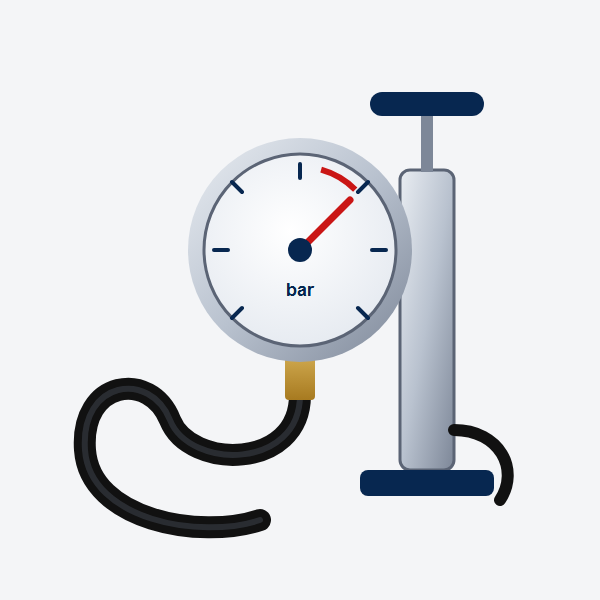
- Use a calibrated gauge and inflate slowly.
- Anchor the plug before the water builds up behind it.
- Keep people out of line with the plug, and follow confined-space rules in manholes.
This article is general guidance. Always follow your project specification and the manufacturer’s instructions.