About GRF
Since 1997.
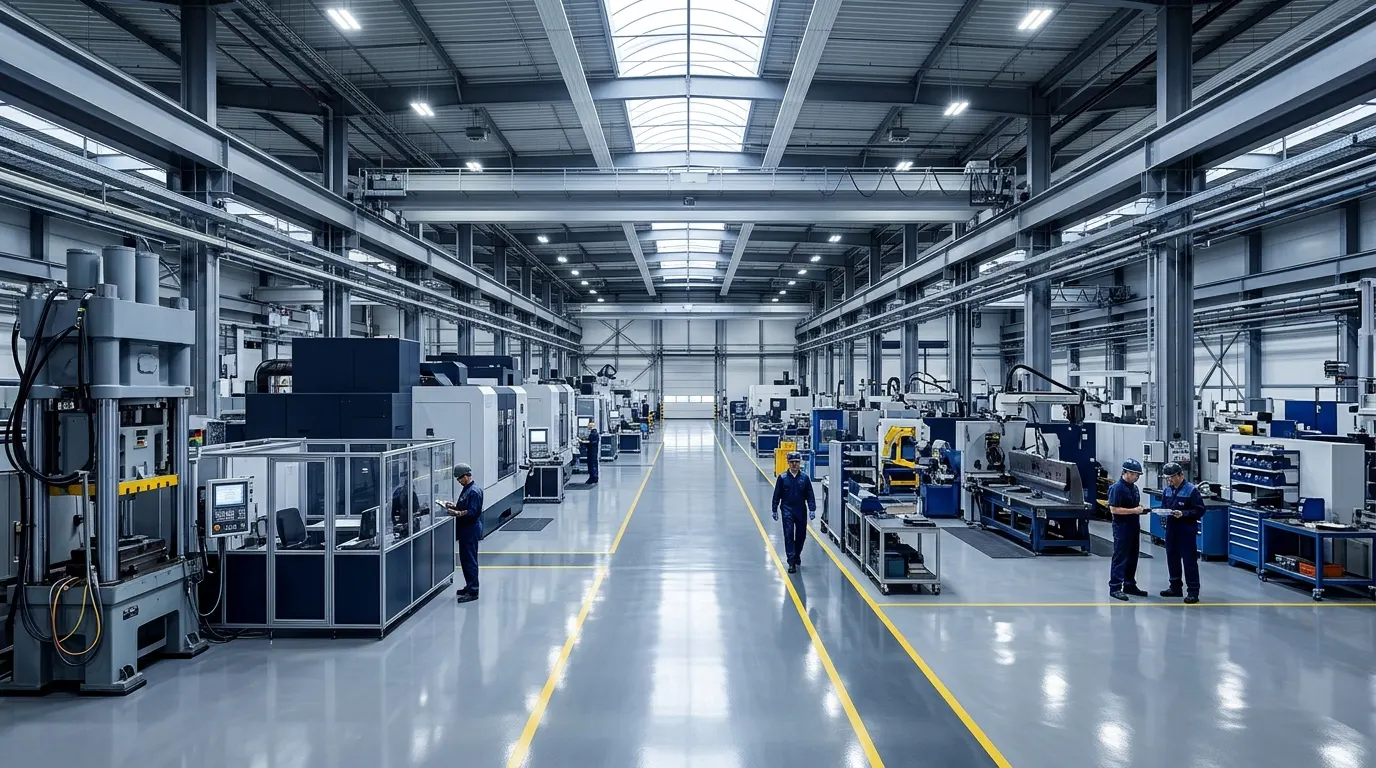
A rubber factory in Saudi Arabia, with its own metal shop, making rubber, metal and rubber-to-metal parts for industry in 12 countries.
 At a glanceWho we are, in numbers→
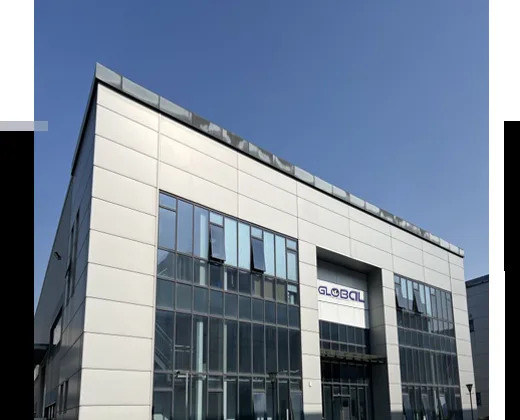 FacilitiesSaudi Arabia · UAE · USA→
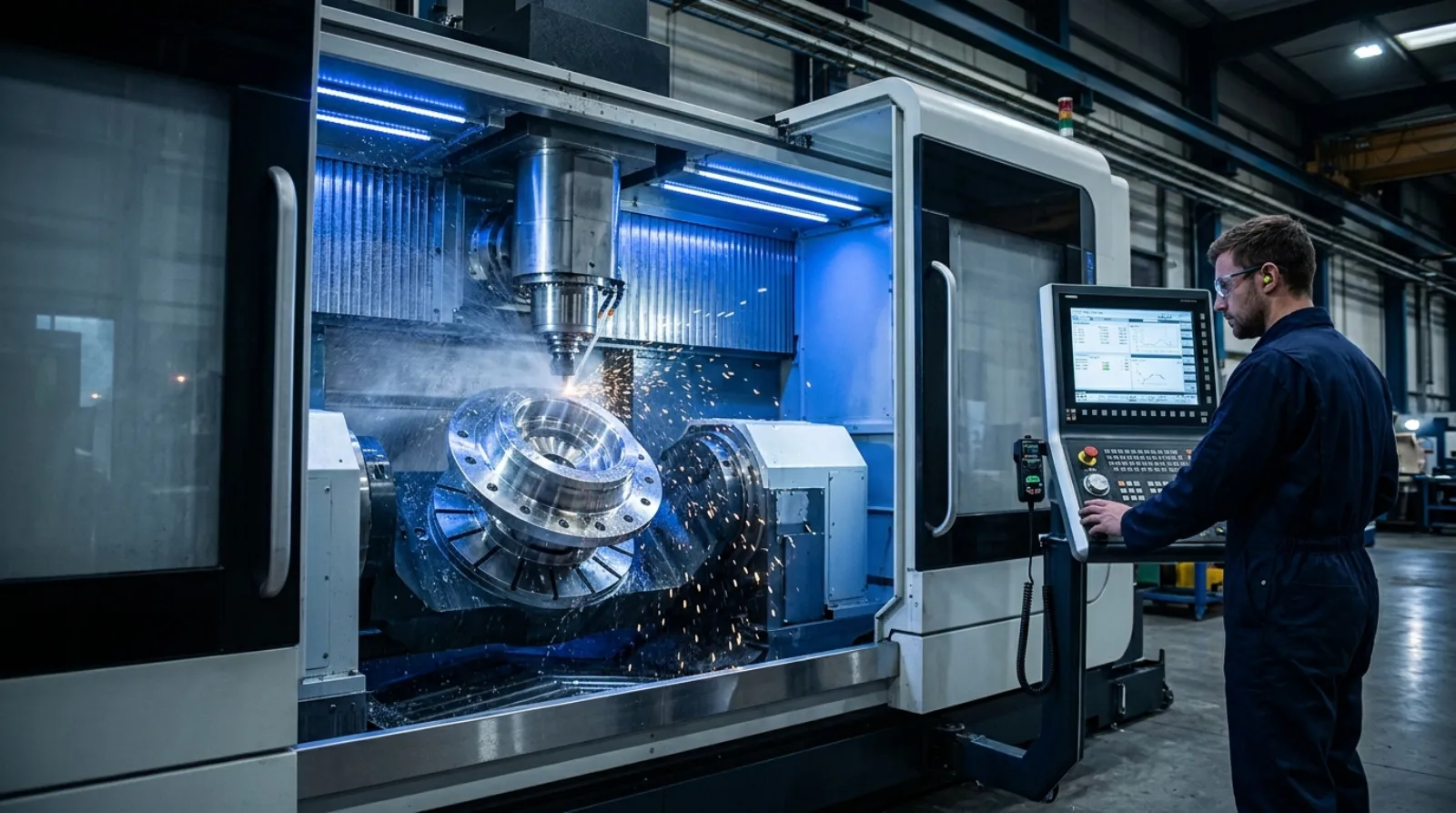 CapabilitiesFrom design to delivery→
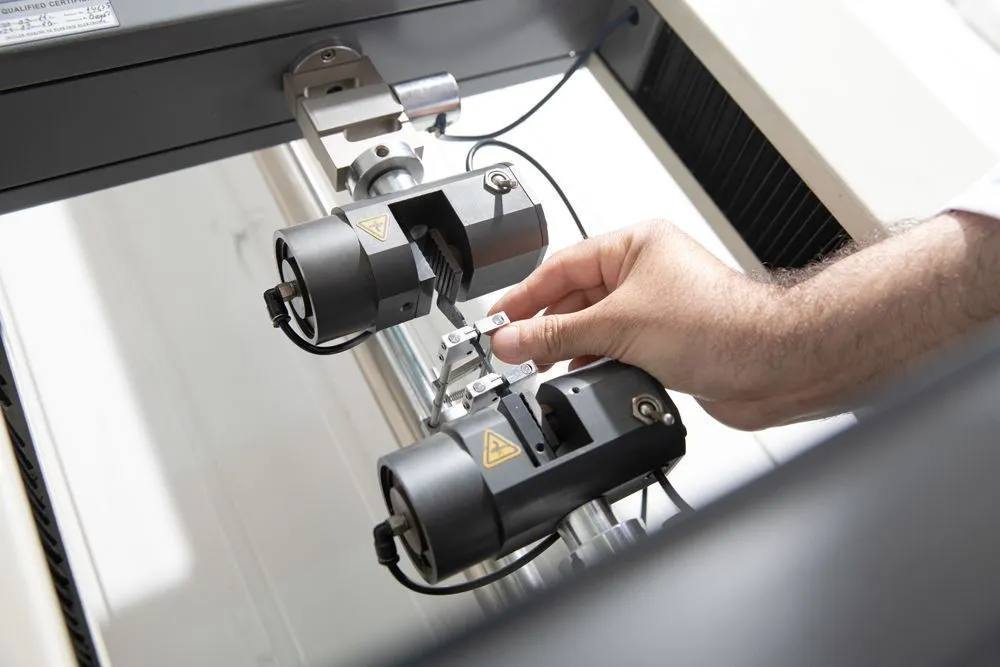 Quality & policiesISO 9001 · 14001 · 45001→
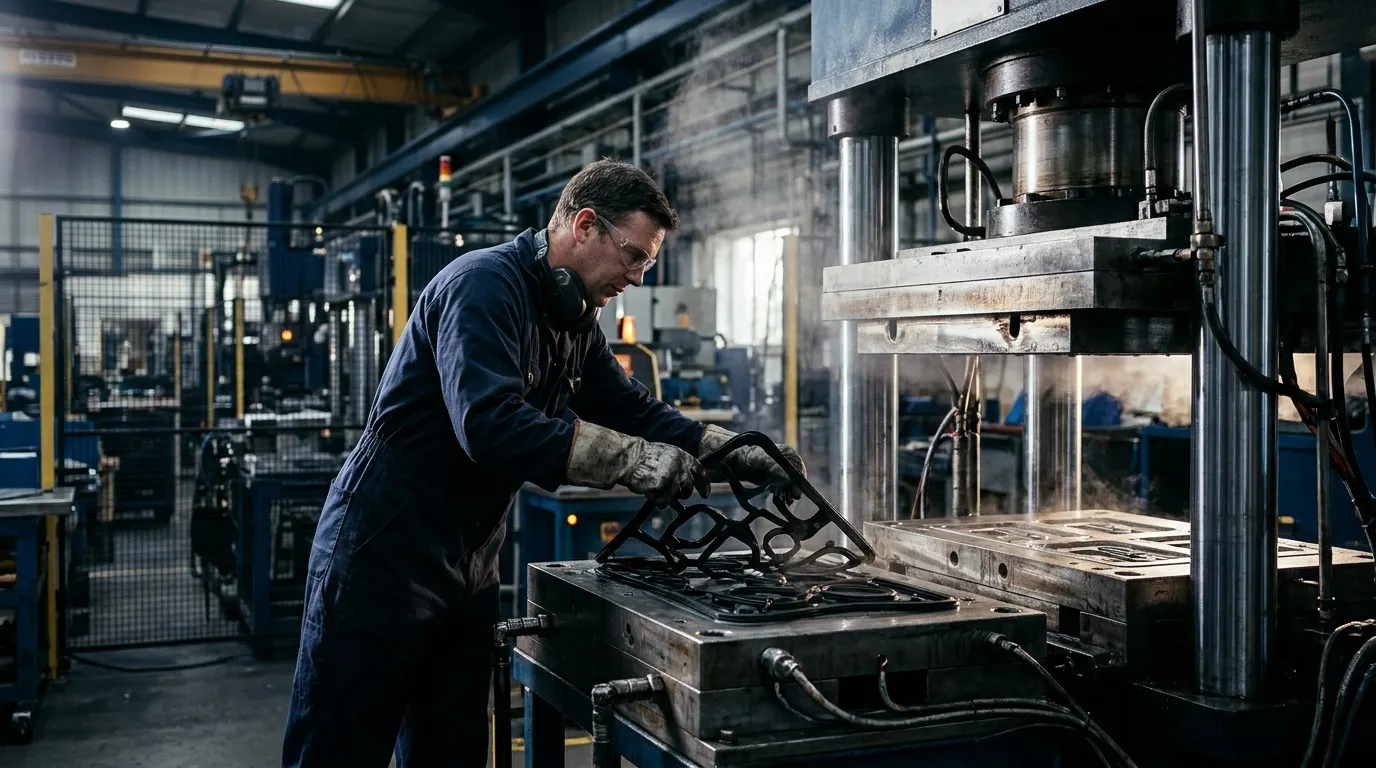
Meet our team in Jeddah, Riyadh, Dammam or Dubai.
→Contact us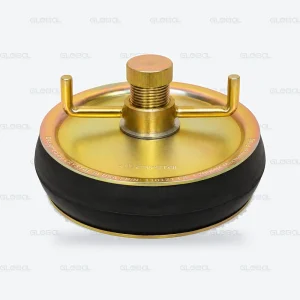 Mechanical test plugs8 products
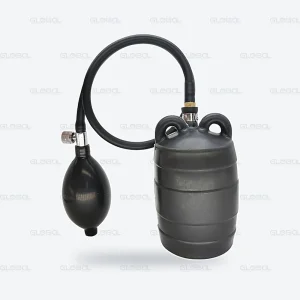 Inflatable plugs5 products
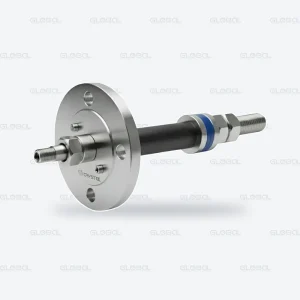 Weld test plugs3 products
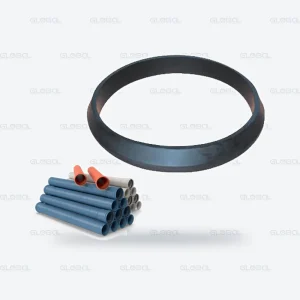 Rubber rings & seals3 products
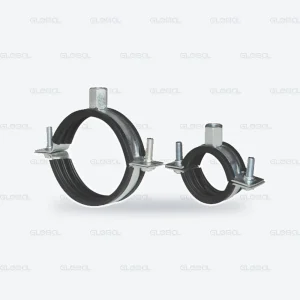 Pipe clamps & hangers2 products
 Tools & accessoriesNewMechanical test plugs7Inflatable plugs5Weld test plugs3Rubber rings & seals3Pipe clamps & hangers2Tools & accessories·CL-PLUG™Center-Lock Pipe Test Plug
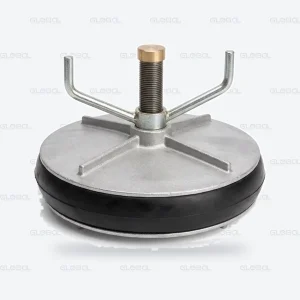 ALU-PLUG™Aluminium Pipe Test Plug
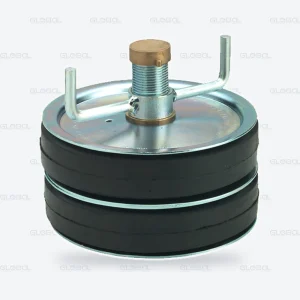 DS-PLUG™Double-Seal Pipe Test Plug
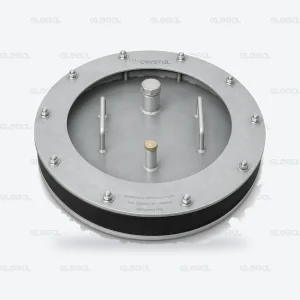 ML-PLUG™Multi-Lock Rim Fastening Test Plug
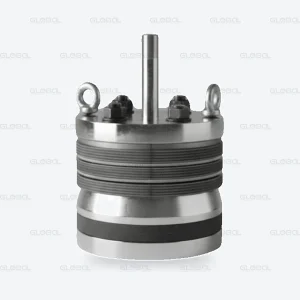 IN-MAX™High-Pressure Inner Test Plug
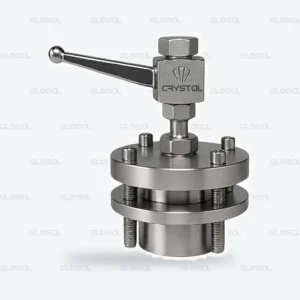 OUT-MAX™High-Pressure Outer Test Plug
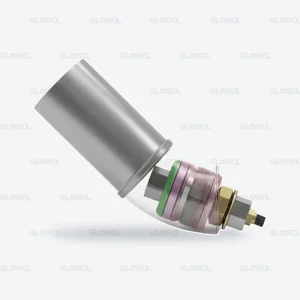 ELBOW-MAX™High-Pressure Elbow Test PlugBALL-PLUG™Balloon Pipe Test Plug
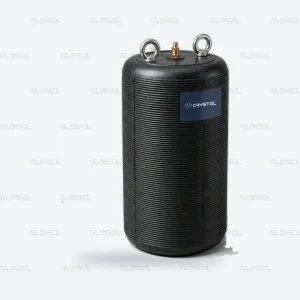 INFLA-STOP™Inflatable Pipe Stopper
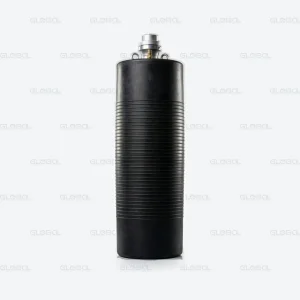 INFLA-TEST™Inflatable Pipe Test Plug with Bypass
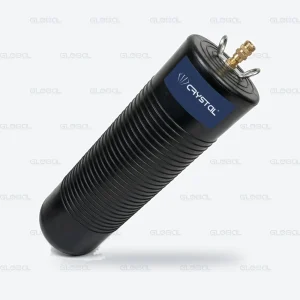 INFLA-PSTOP™High-Pressure Inflatable Pipe Stopper
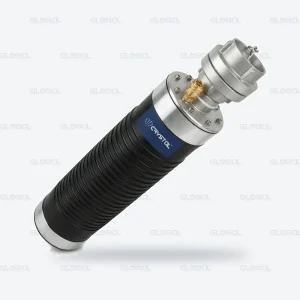 INFLA-PTEST™High-Pressure Inflatable Test Plug
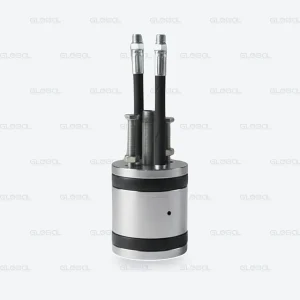 DB-WELD™Double Block Weld Tester
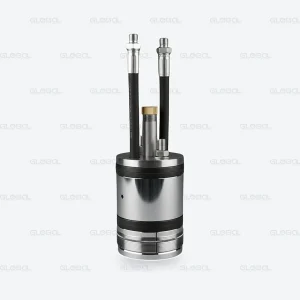 DBG-WELD™Gripper Double Block Isolation & Weld Test PlugFLANGE-WELD™Flange Weld Test & Isolation PlugTRIO-SEAL™3S Rubber Ring for PVC & UPVC Pipes
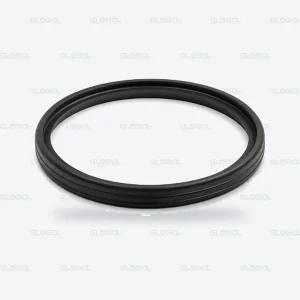 LIPRO-SEAL™Lip Seal Rubber Ring for PVC-U Pipes & Fittings
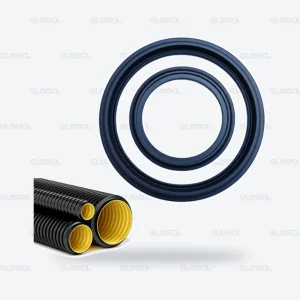 CORA-SEAL™Sealing Ring for HDPE Corrugated Pipes
New products coming soon
View all Tools & accessories →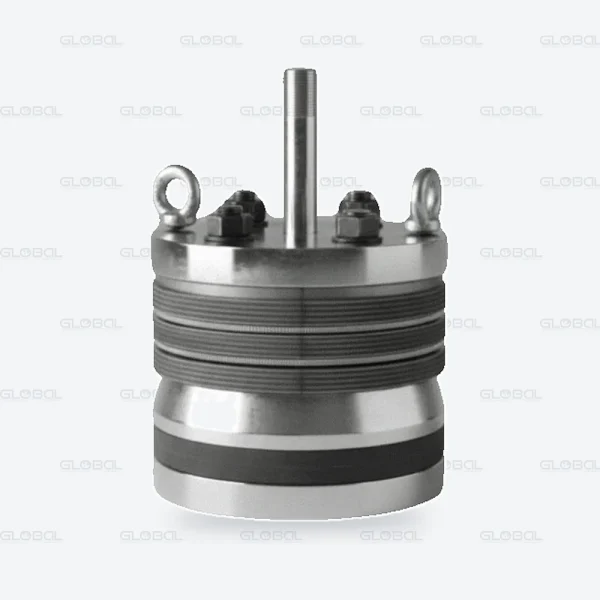 Featured
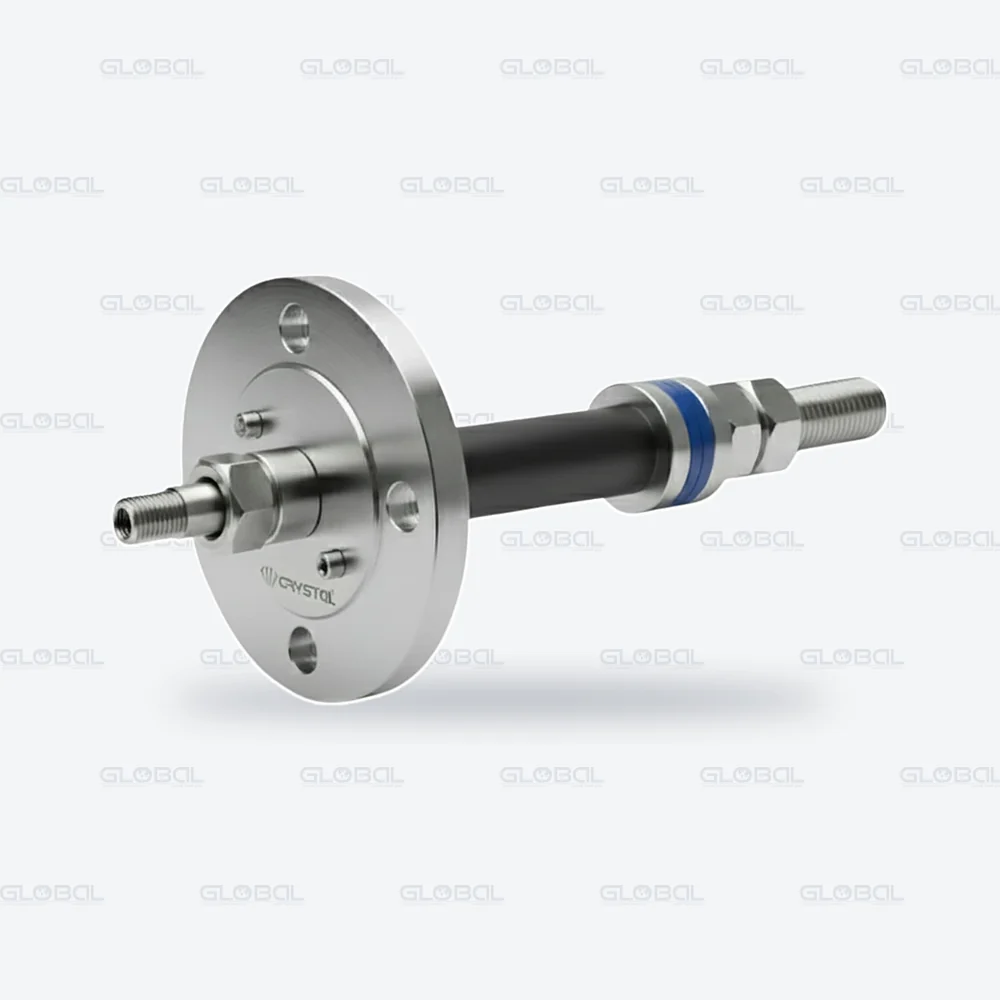
IN-MAX™ High-Pressure Inner Test Plug
View product →From a drawing or a worn sample to a finished rubber part, plus pressure testing on site or at our factory.
→Custom manufacturing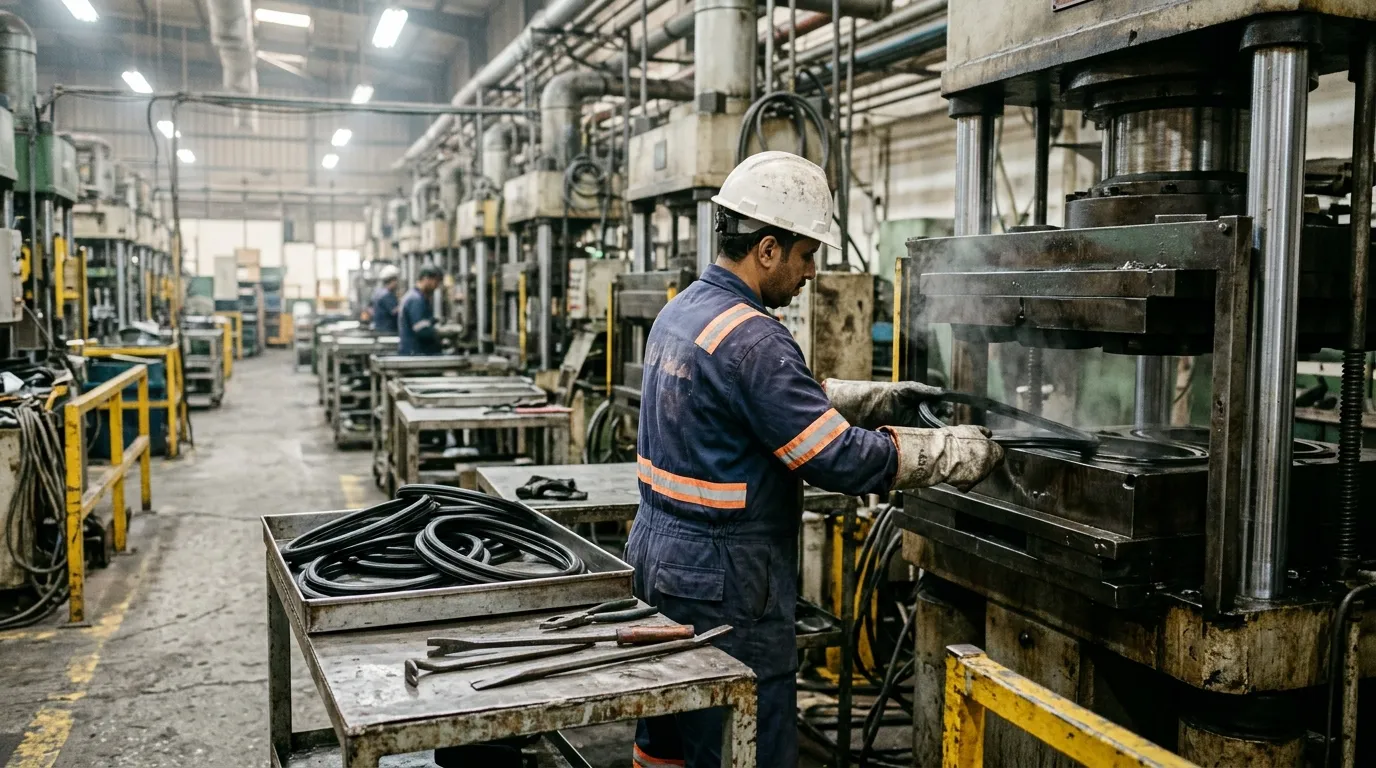
Get a compound proposal, a tooling quote and a lead time.
→Request a quoteFree engineering tools for pipe testing: pick a plug, size the test, and see it before you start.
→All toolsOne rubber factory, many worlds. Each industry has its own conditions and products.
→All industries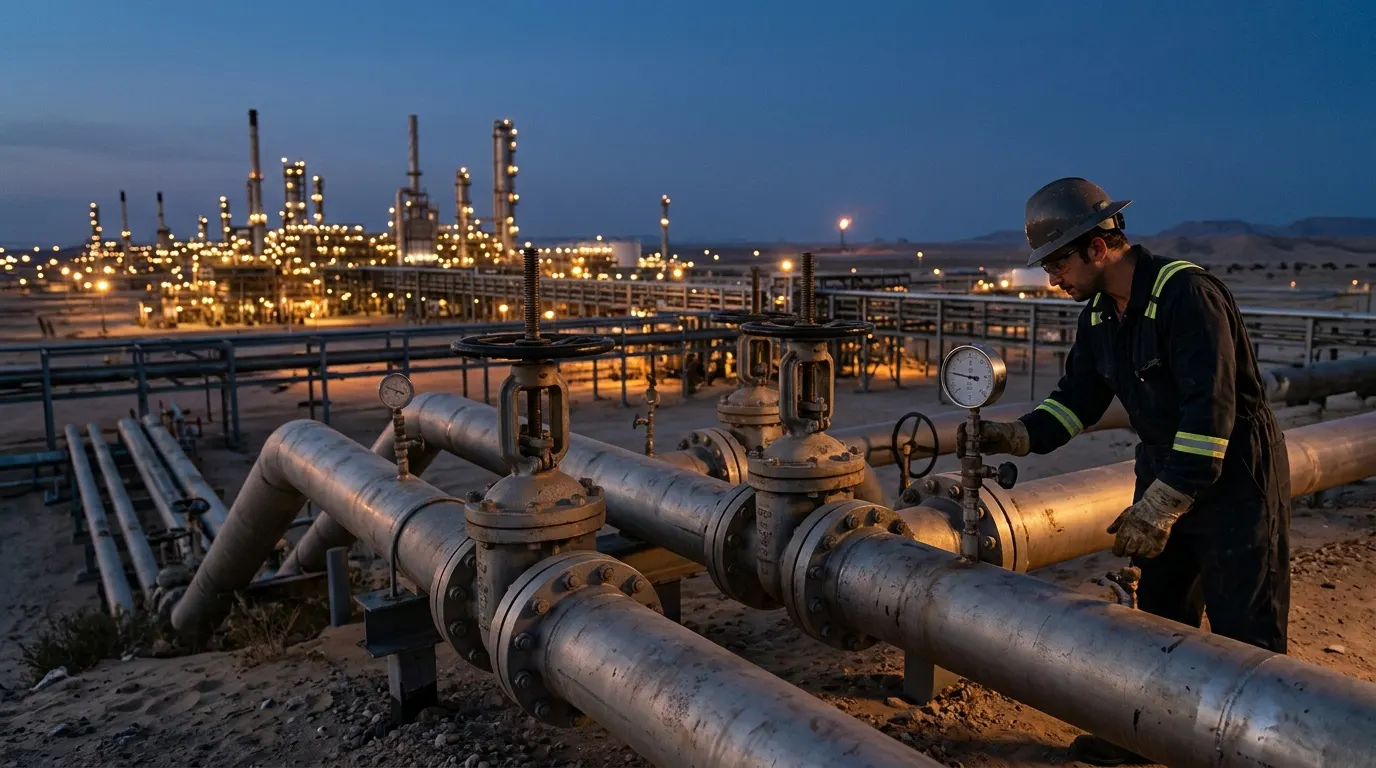 Oil & gasPipelines · Production
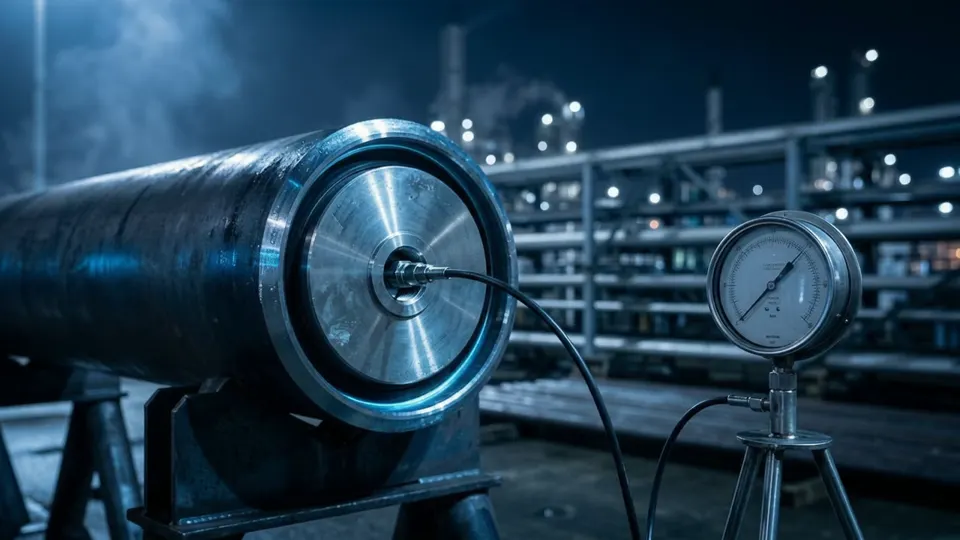 Petrochemical & refiningRefineries · Turnarounds
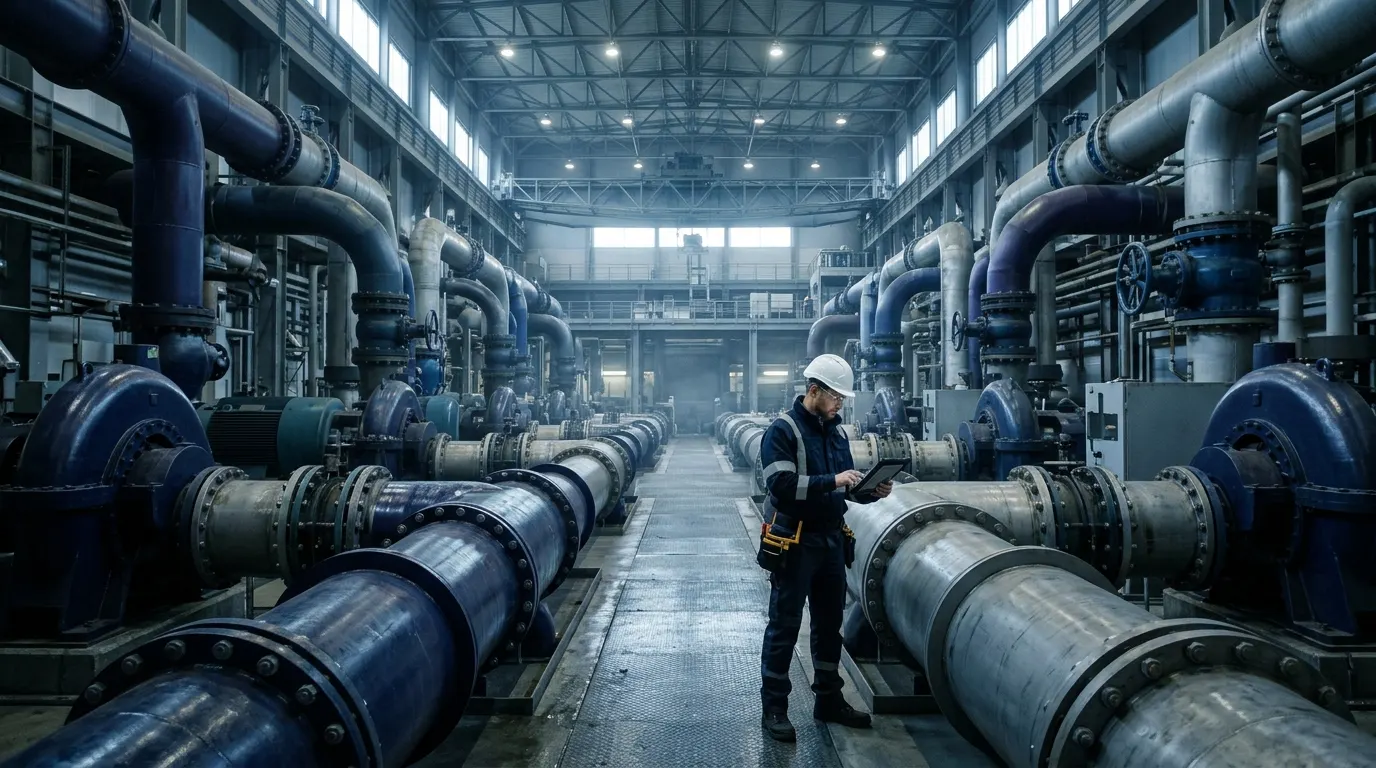 Power & desalinationPower plants · Desalination
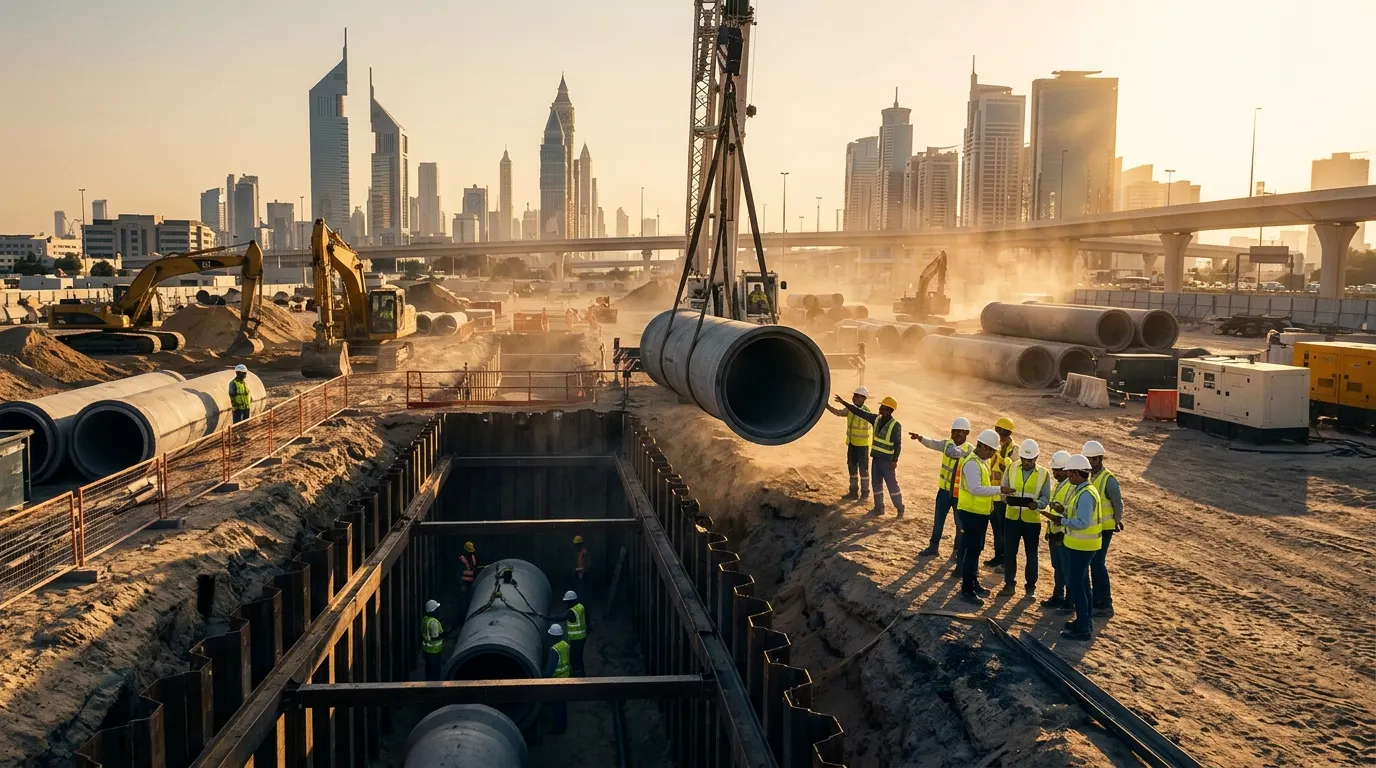 Water & pipelinesWater · Sewage
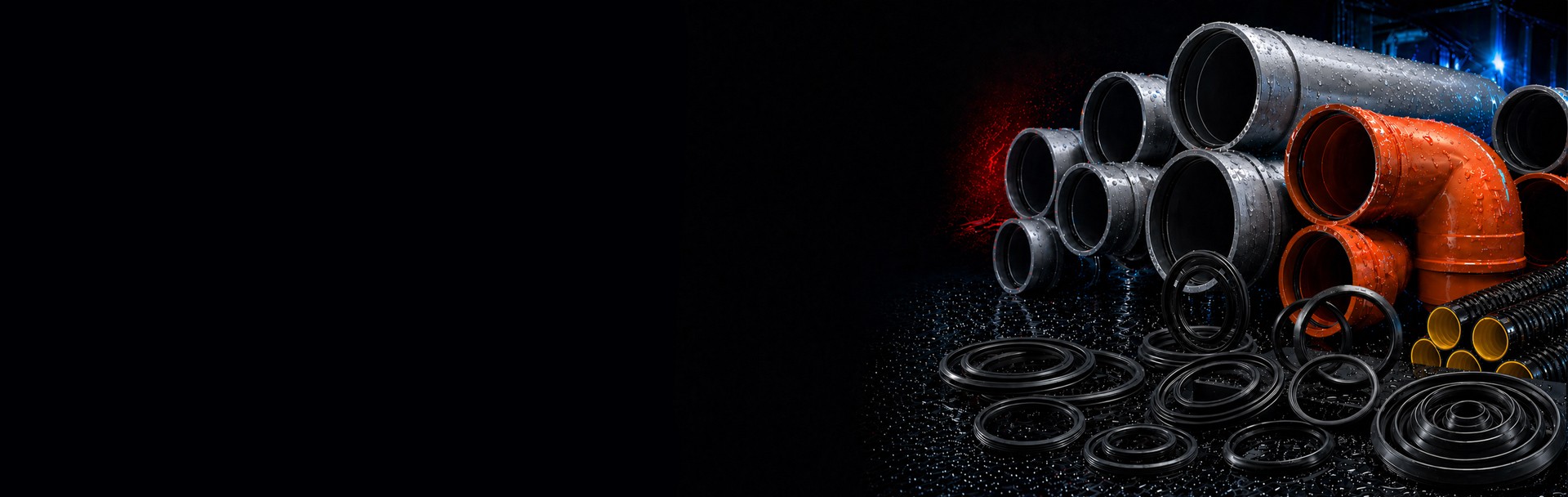 Pipe manufacturersPVC · HDPE · GRP pipes
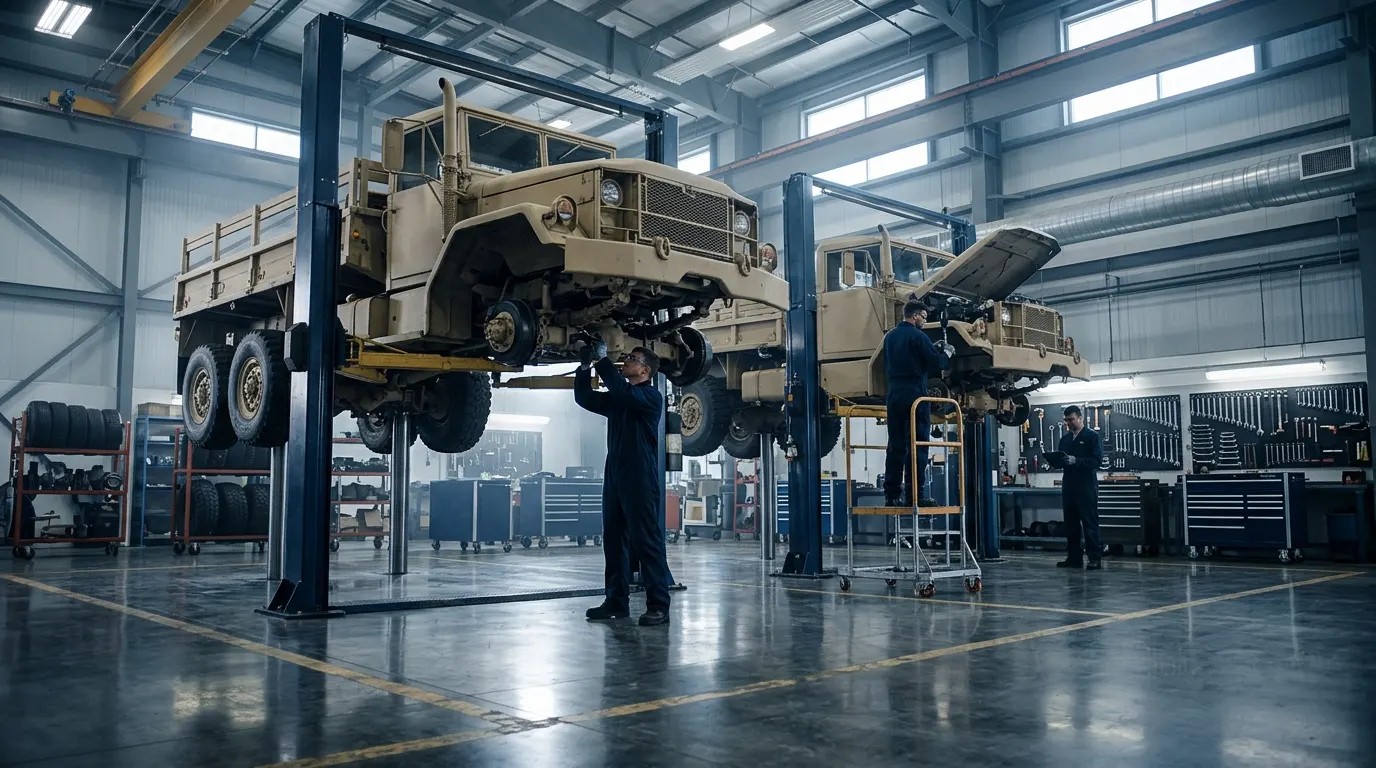
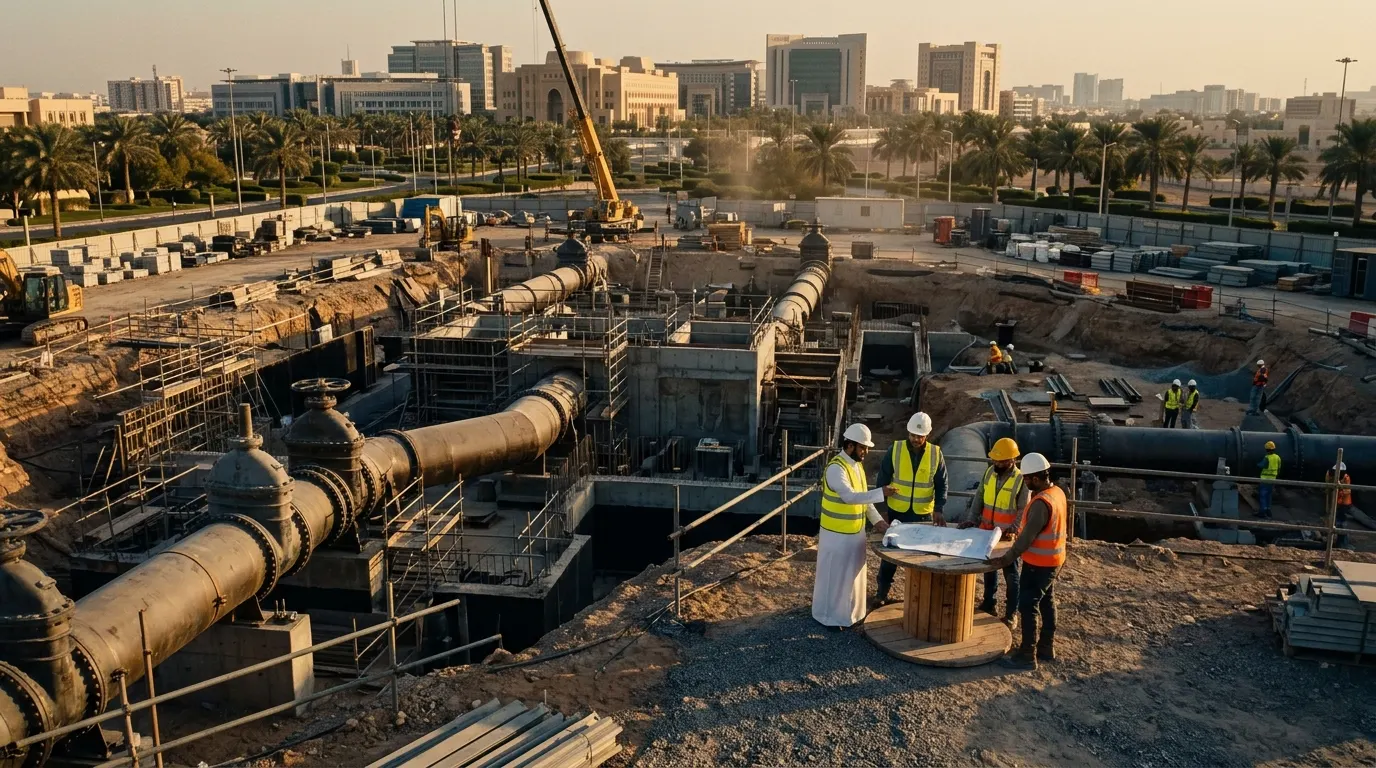 Military & defenseVehicles · Equipment
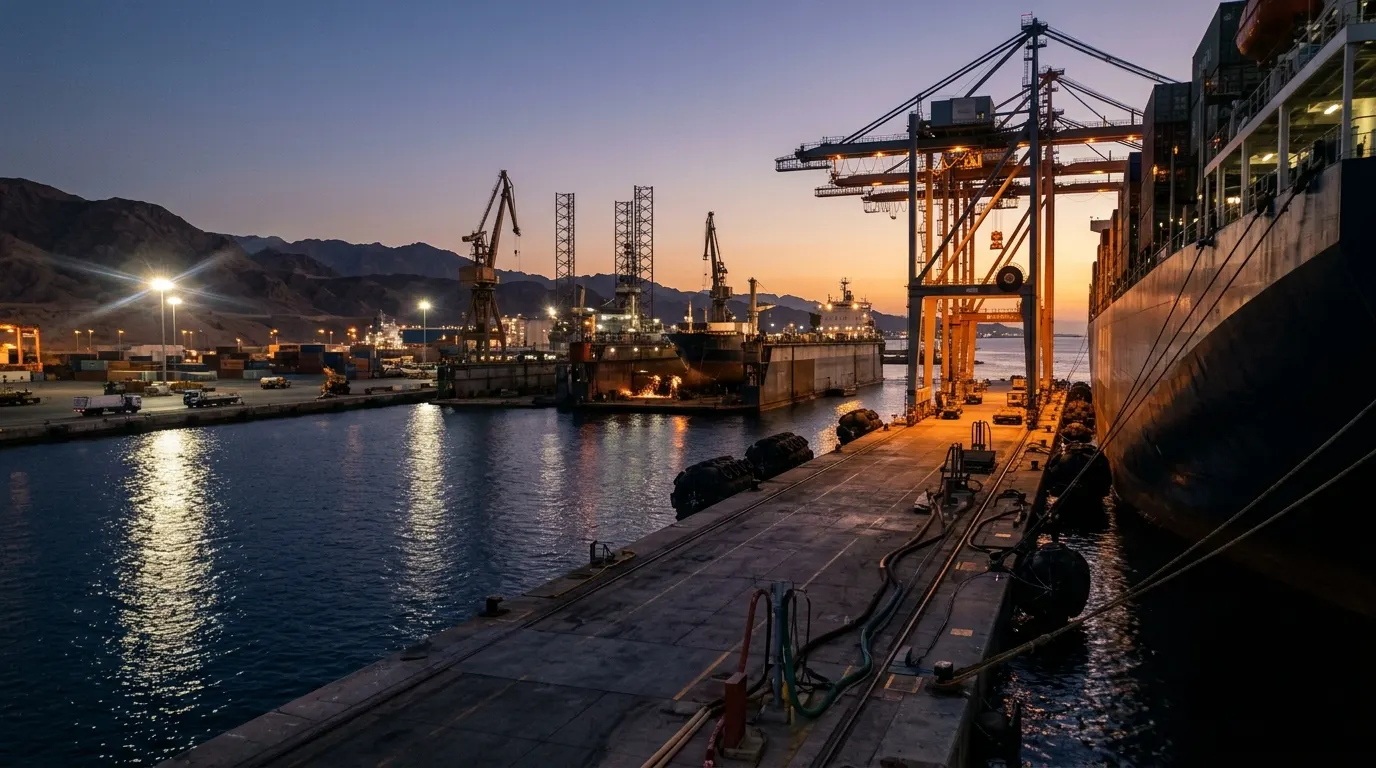 Marine & portsPorts · Shipyards
 Civil worksInfrastructure
 General industriesFactories · Machine builders
Home / Services / Hydrostatic testing
Services · Hydrostatic testing
Pressure testing of pipelines, welds, flanges, tanks and pressure vessels by the GRF team, with our own test plugs. On site anywhere in Saudi Arabia or at our factory, with a test report, pressure chart and calibrated gauges.
What it is
In a hydrostatic test the pipe or vessel is closed, filled with water and all air is vented. Pressure is then raised above the design pressure and held for the time the code or project specification calls for. The line passes when the pressure holds and no leaks are found.
Two ways to test
Our technicians bring the test plugs, pump, gauges and recorder to your project, set up the test and run it with your QA/QC team.
Send your pipe spools, fittings or assemblies to our factory. We test them in-house and return them with the documents.
What we test
Hydrostatic tests of new lines, tie-ins and weld joints, sealed with our inner, outer and weld test plugs.
Weld-neck and flange joints tested with flange test and isolation plugs.
Pressure tests of tanks, vessels and their nozzles to the design code.
Rent the plugs you need, with a GRF technician who installs and runs them.
How a test runs
You send the line list or drawings, sizes, design pressure and the test standard.
We choose and install the right test plugs for each end and branch.
The section is filled with water and every high point is vented of air.
Pressure is raised in steps to the test pressure and held for the required time.
You receive the test report, the pressure chart and the gauge calibration certificates.
Scroll to run the test ↓
Technical overview
What you receive
Line or item, test pressure, hold time, result and sign-off.
The recorded pressure over the whole test, attached to the report.
For the pressure gauges and recorder used on the test.
Equipment we use
The service uses the same plugs we make and sell, so the plug is matched to your pipe and pressure.
FAQ
A hydrostatic test uses water, a pneumatic test uses air or gas. Water stores far less energy under pressure than gas, so a hydrostatic test is the safer and more common way to prove a line.
The pressure set by your standard or project specification. For example, ASME B31.3 normally asks for 1.5 times the design pressure. Our equipment covers up to 15,000 psi (1,034 bar), depending on pipe size and schedule.
On site anywhere in Saudi Arabia, or at our factory if you send the spools or items to us.
A test report, the pressure chart of the test and calibration certificates for the gauges used.
Yes. You can rent the plugs with a GRF technician who installs and runs them, or buy them for your own team.
The line or item list, sizes and schedules, material, design pressure, test standard and location.
Send the sizes, design pressure, test standard and location. We will reply with a test plan and a quote.
Product Enquiry
WhatsApp us