



Every rubber part starts with a choice of polymer. Natural rubber and the synthetic families each bring clear strengths, and the right pick depends on the job the part must do.
Natural rubber (NR)
Natural rubber comes from the latex of the rubber tree. It has very high tensile strength, excellent elasticity and low heat build-up when it flexes, which is why it is used in parts that must stretch and spring back many times, such as vibration mounts and some dock fenders.
Its weak points are oils, fuels, ozone and sunlight. Without protection in the compound, it cracks outdoors and swells in contact with hydrocarbons.
Synthetic rubbers
Synthetic rubbers are made from petrochemical monomers. Each family was developed to fix a weakness of natural rubber or to add a property:
- SBR: a general-purpose rubber with good abrasion resistance and stable cost.
- EPDM: very good resistance to weather, ozone, sunlight, water and steam; not for oils.
- NBR (nitrile): resists oils, fuels and greases; weaker outdoors unless protected.
- CR (neoprene): a balance of weather, flame and moderate oil resistance.
- FKM: high temperature and aggressive chemicals, at a much higher cost.
How engineers choose
The decision starts from the service conditions, not from the material name. Four questions settle most cases:
- What fluid or chemical touches the part?
- What is the working temperature range?
- Is the part outdoors, in sunlight or near ozone sources?
- Does it flex, compress, slide or stay static?
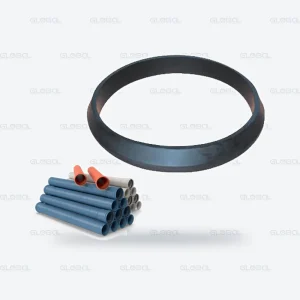
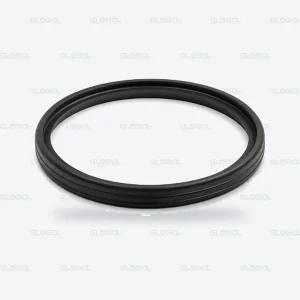
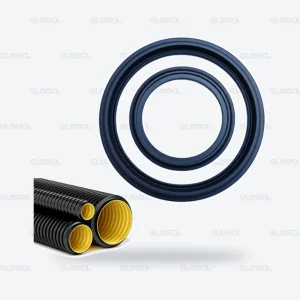
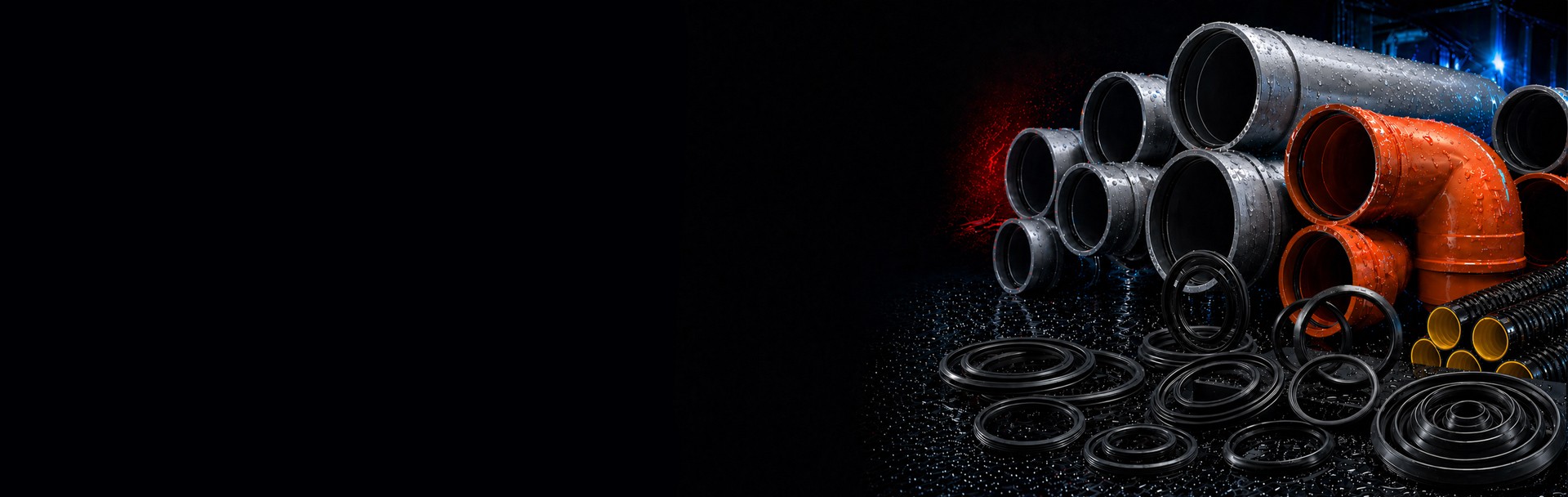
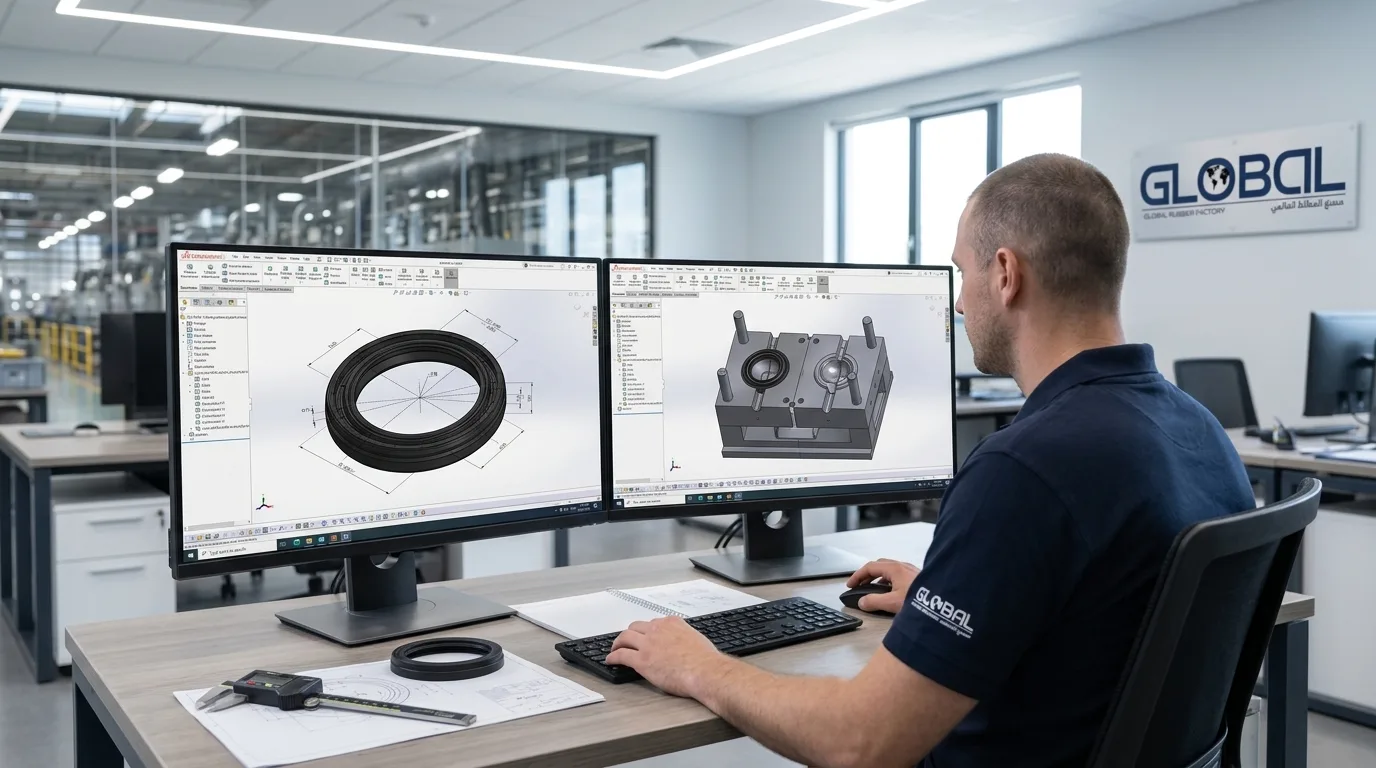
Our rubber guide compares the common compounds side by side, and the pipe rubber rings we make use EPDM or SBR depending on the water and the project specification.
Blends and compounds
In practice a part is rarely made of one pure polymer. A compound adds fillers, plasticisers, protective agents and a cure system, and sometimes blends two polymers. That is why two "EPDM" parts from different makers can behave very differently: the recipe matters as much as the polymer.
This article is general guidance. Always follow your project specification and the manufacturer’s instructions.