



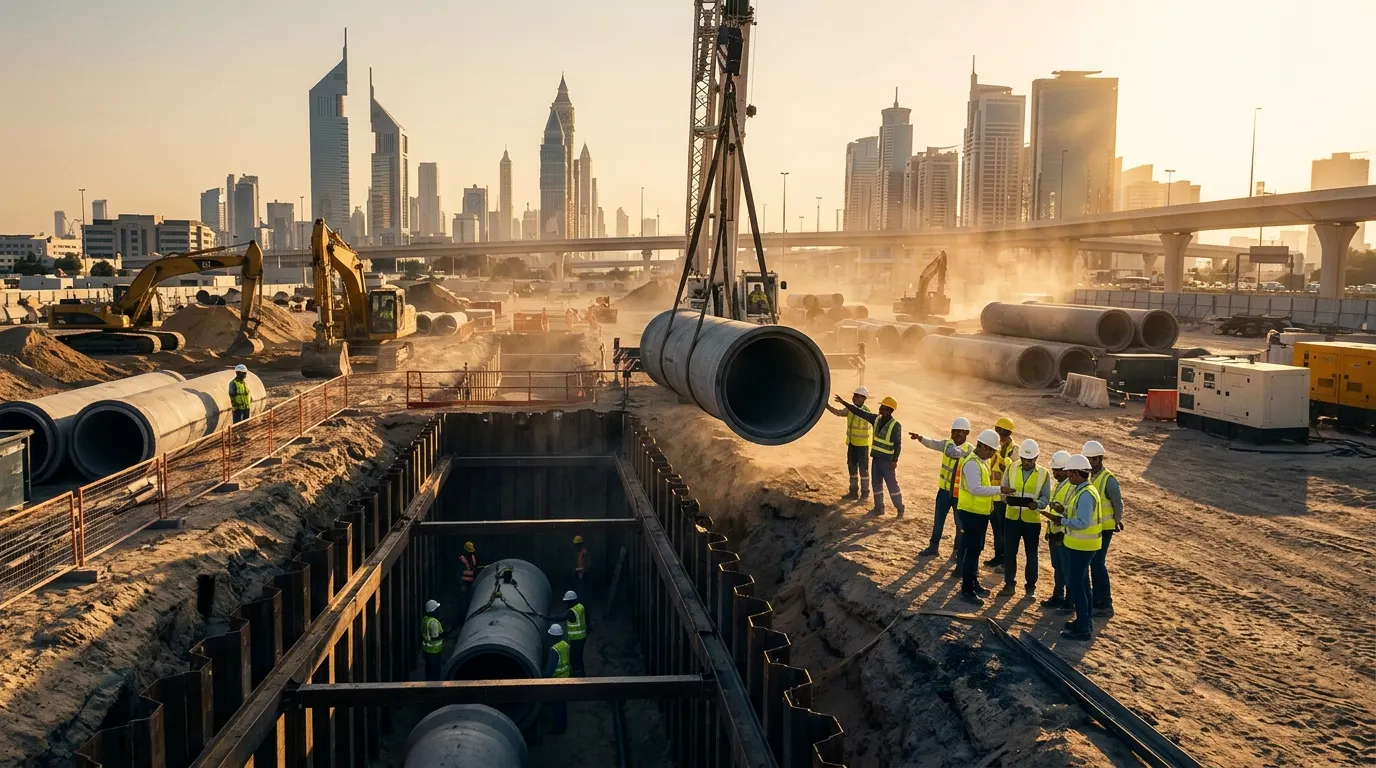
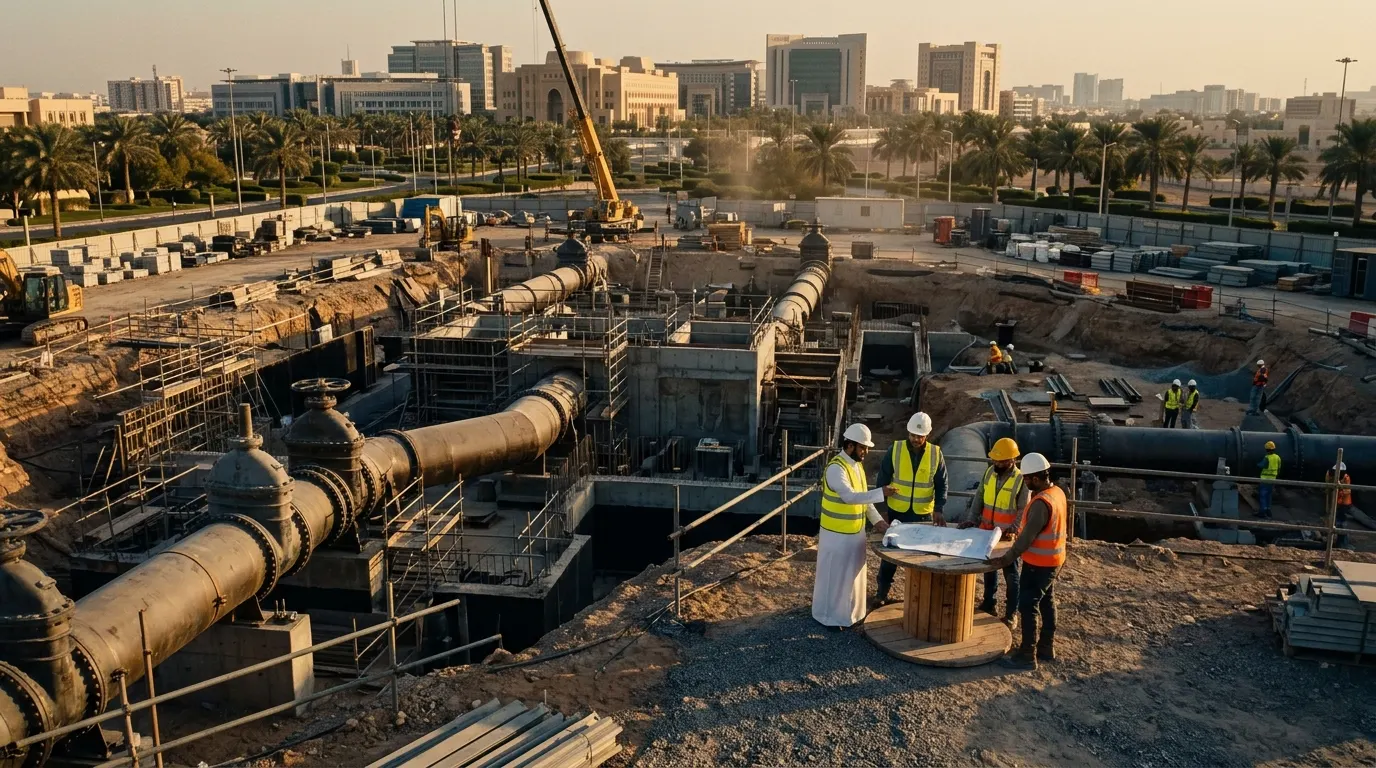


New gravity drains and sewers are tested for tightness before they are backfilled or handed over. The European standard EN 1610 accepts an air test or a water test; many local specifications follow the same idea.
The water test
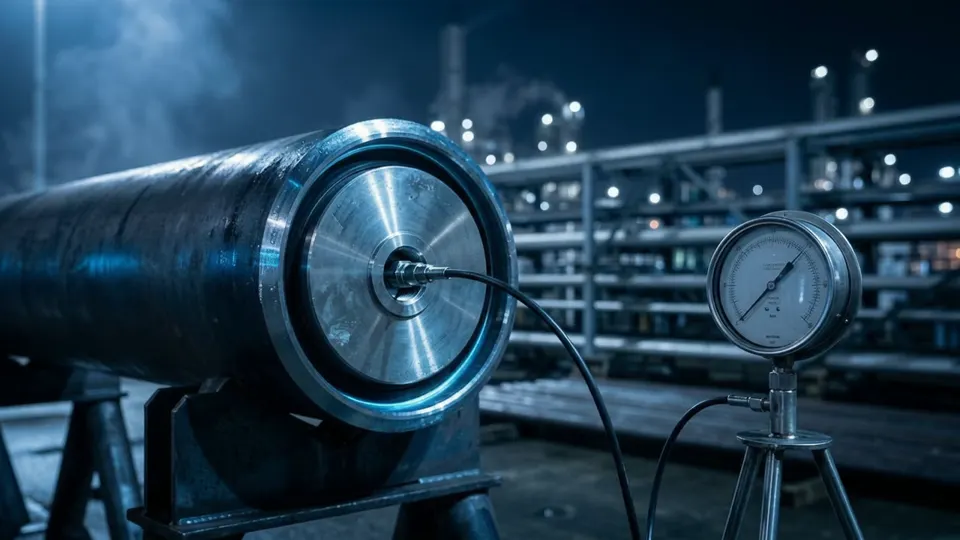
The section is closed with test plugs at both ends, filled with water and held at a low test pressure for a set time. The water added to keep the pressure steady is measured and compared with the allowed amount.
A water test is easy to read and finds real leaks, but it needs a water supply and time to fill and drain.
The air test
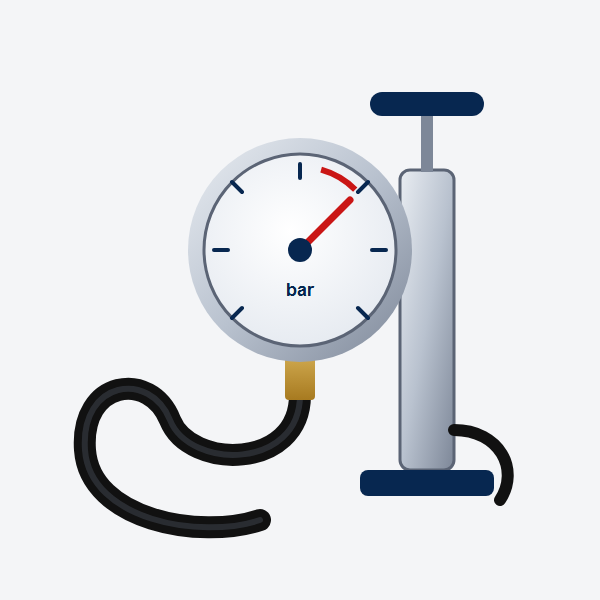
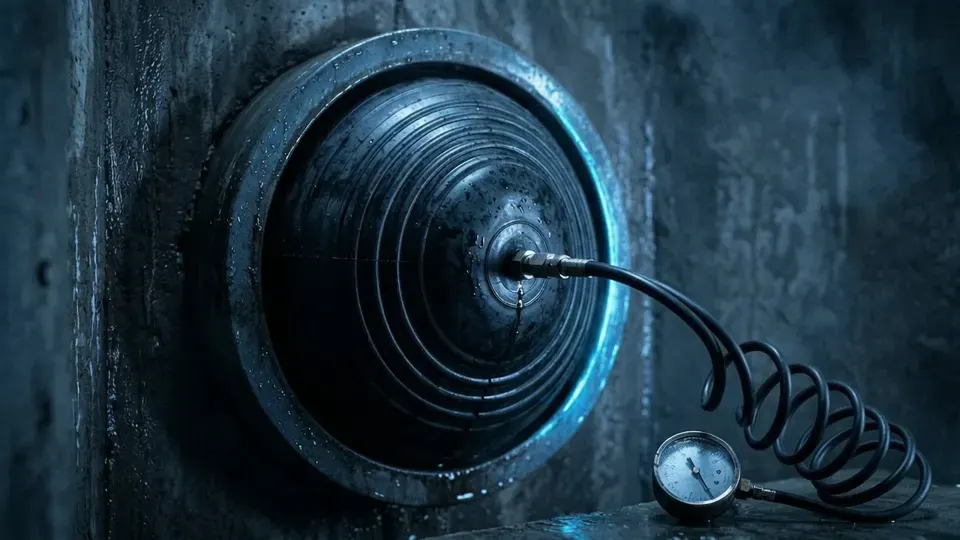
The section is closed, air is pumped to a low pressure, and the pressure drop over a set time is read. It is fast and needs no water, which helps on dry sites.
Air is compressible, so an air test needs care: use only the low pressures given in the standard, and keep everyone clear of the plugs.
Plugs for drain testing
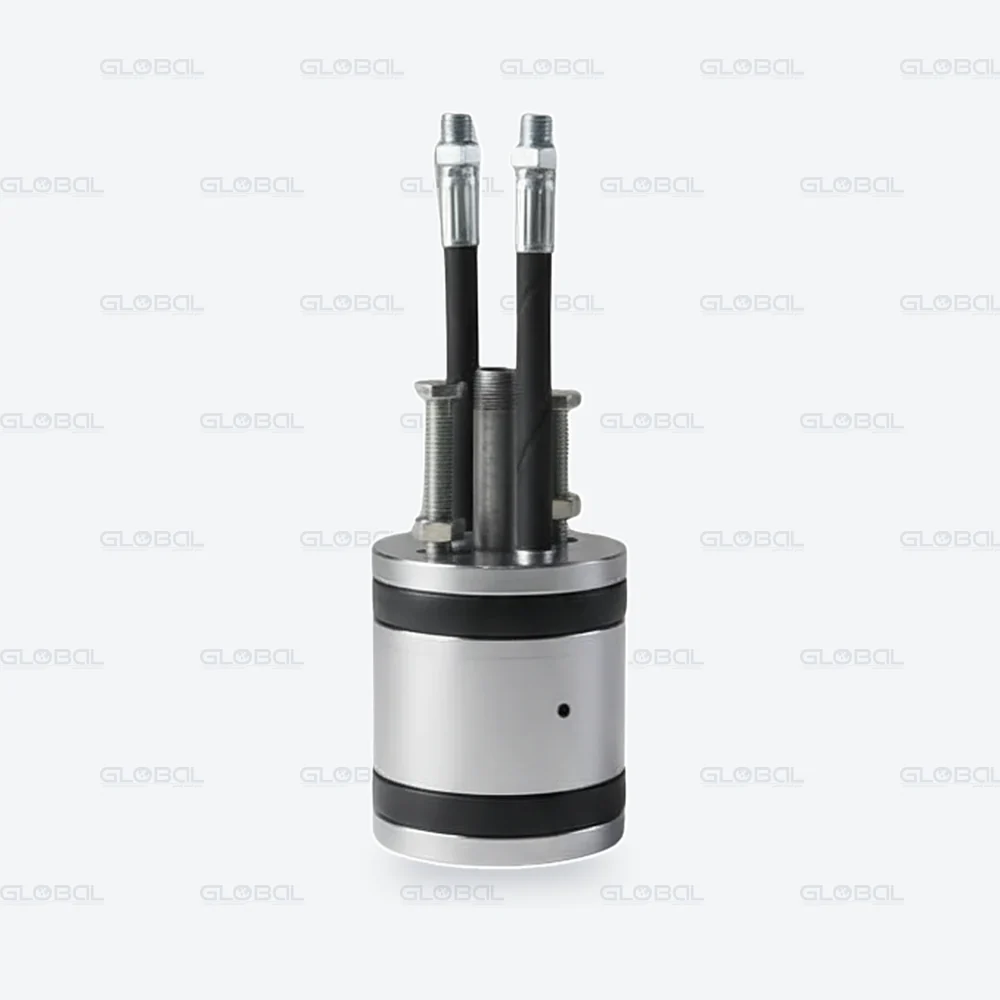
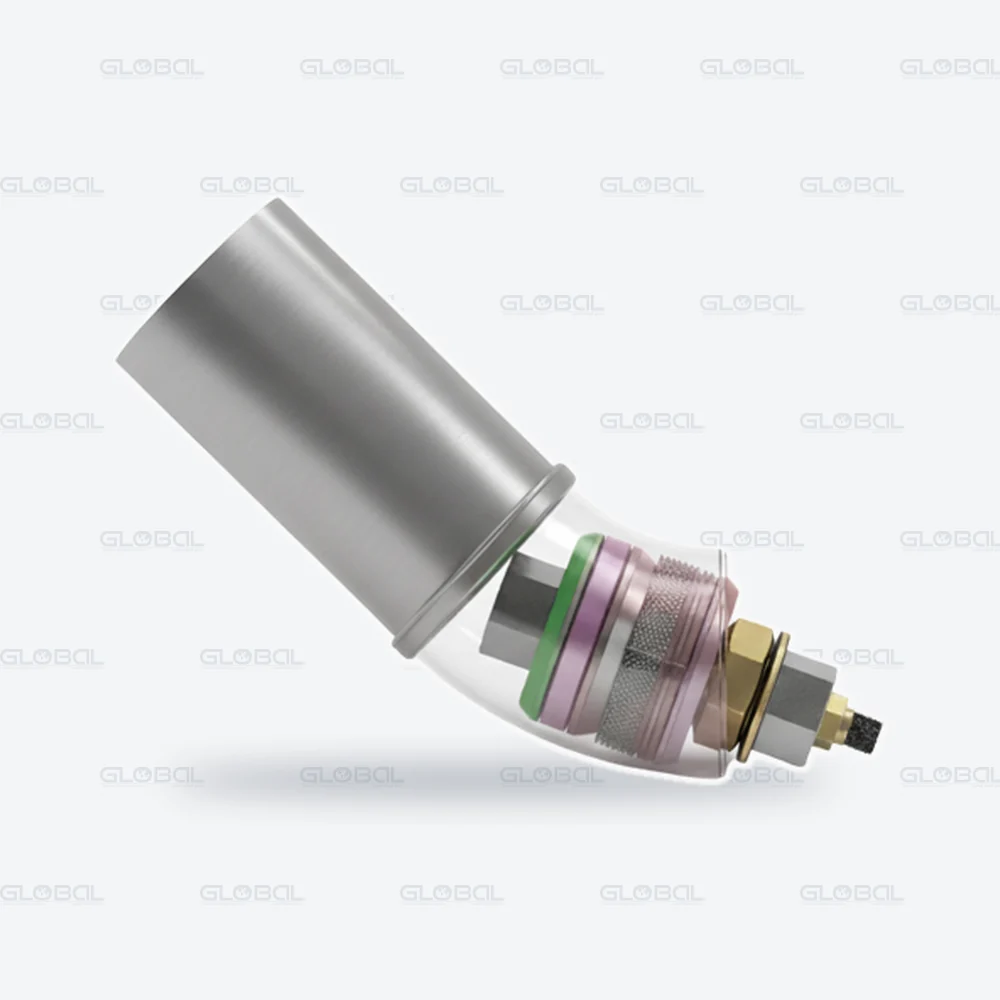
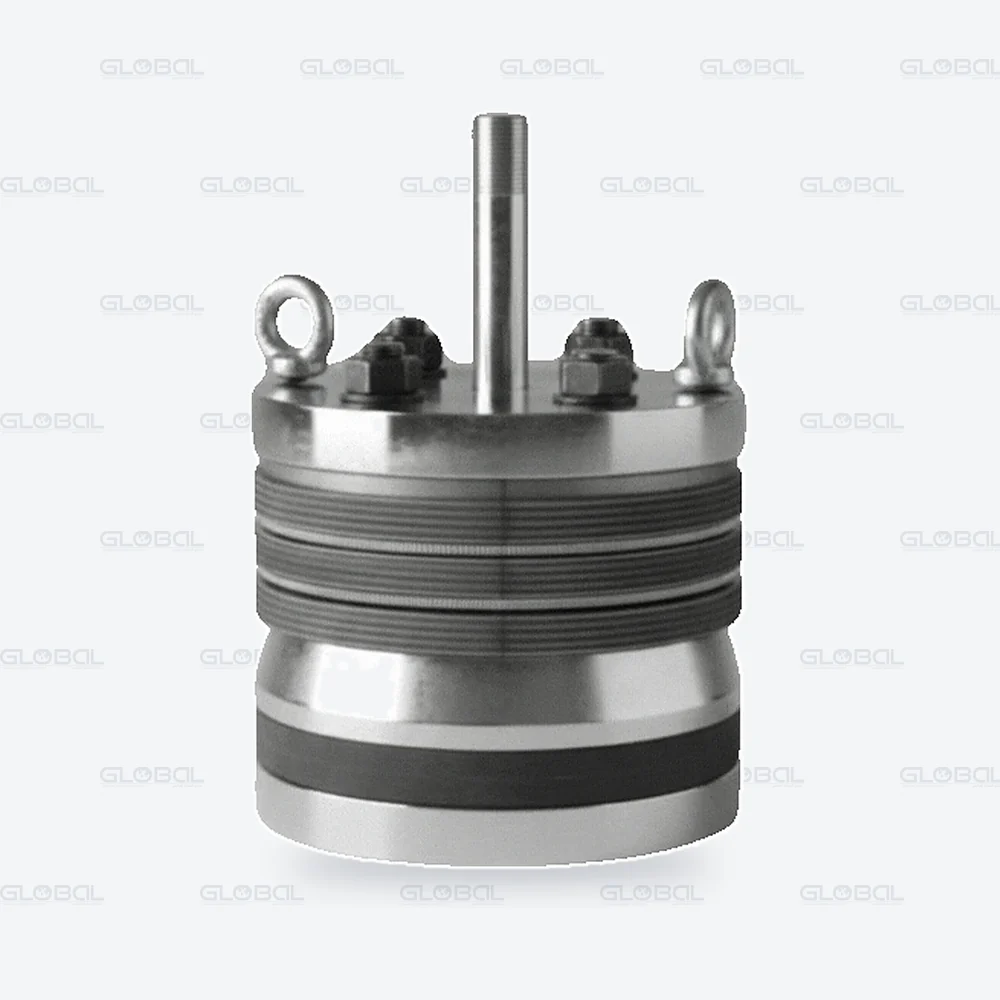
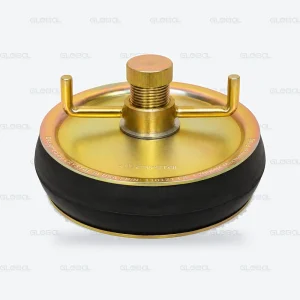
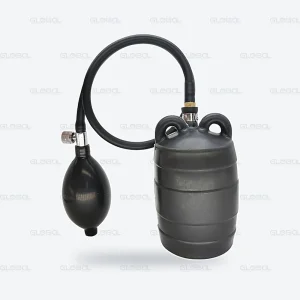
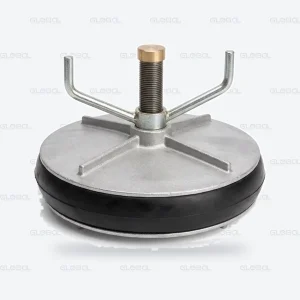
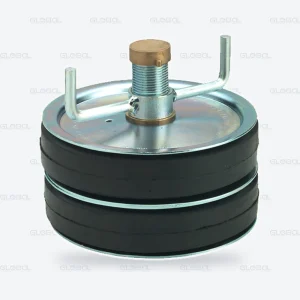
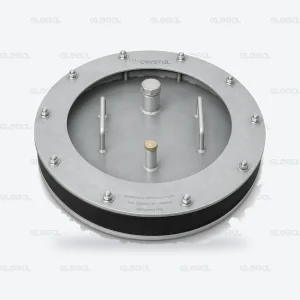
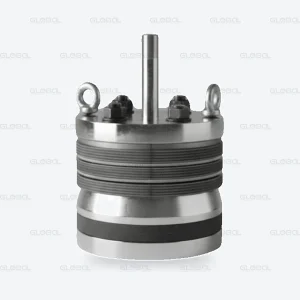
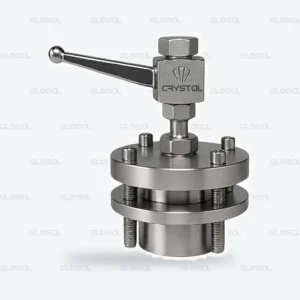
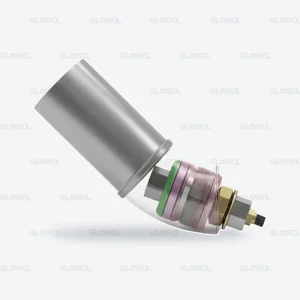
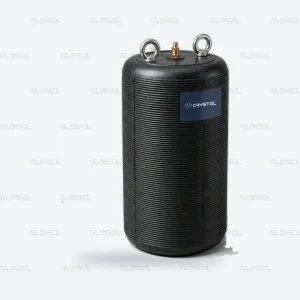
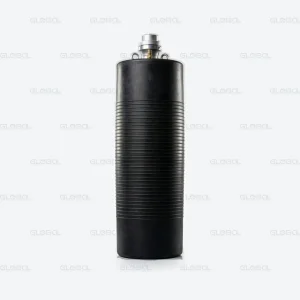
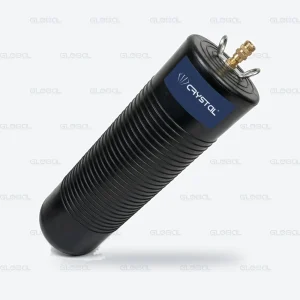
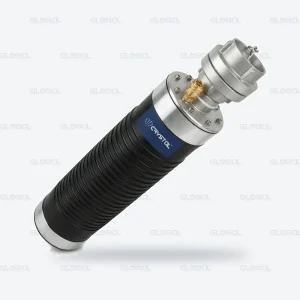
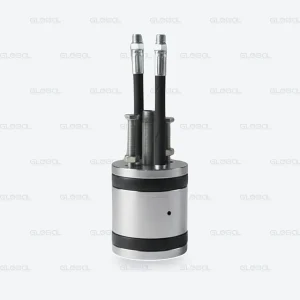
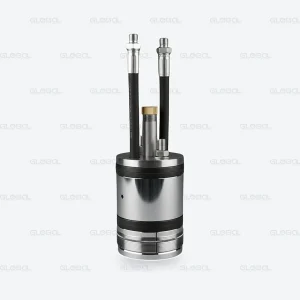
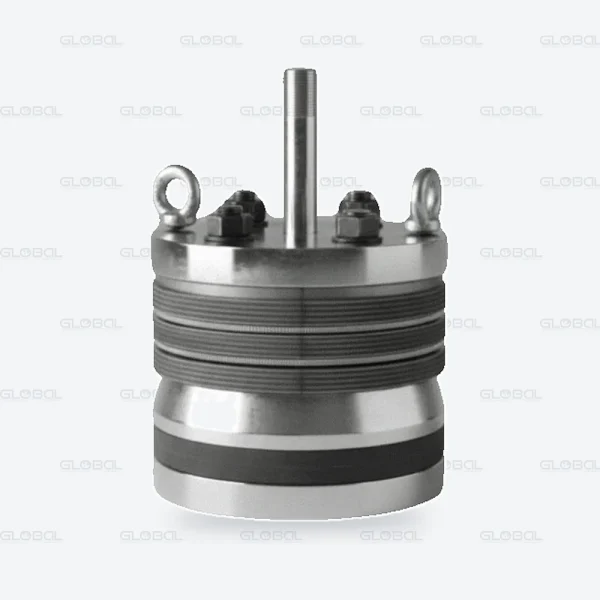
Low-pressure mechanical plugs such as CL-PLUG™ close pipe ends and manhole connections, and inflatable plugs such as INFLA-TEST™ cover a wide range of bores and have a bypass to fill, vent and drain. Check the back pressure rating of each plug against the test.
Check your specification
Test pressures, holding times and allowed losses depend on the method, the pipe material and the diameter, and they change between standards and editions. Always use the values in the specification your project follows.
This article is general guidance. Always follow your project specification and the manufacturer’s instructions.