


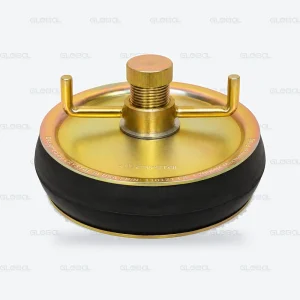
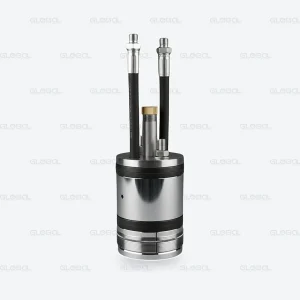
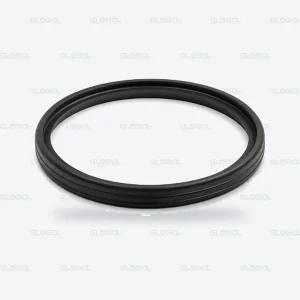
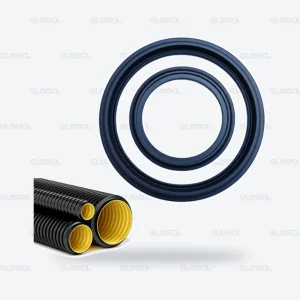
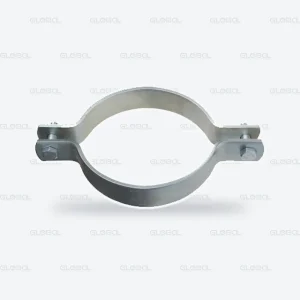
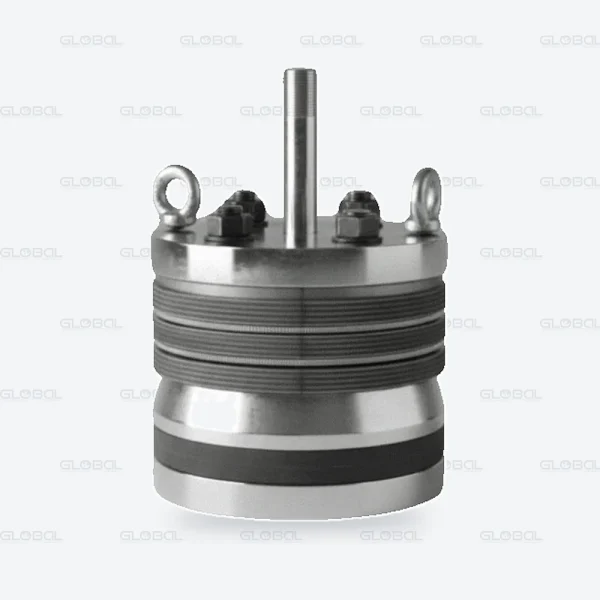
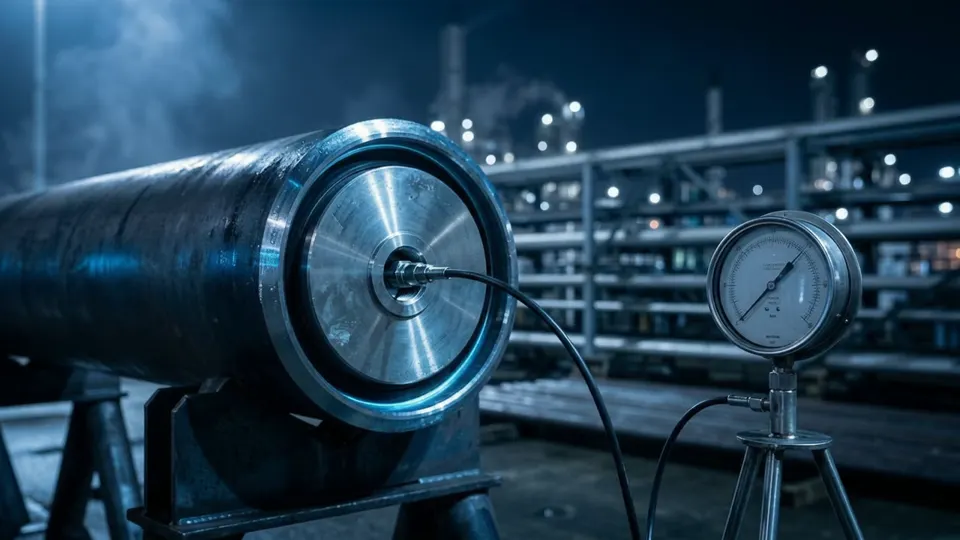





A test plug seals a pipe end so the line can be pressure-tested, then comes out and is used again. Choosing the right one comes down to four questions.
1. What is the actual internal diameter?
Choose by the real internal diameter (ID) of the pipe, not the nominal size. Wall thickness differs between pipe materials and pressure classes, so two pipes with the same nominal size can have different bores.
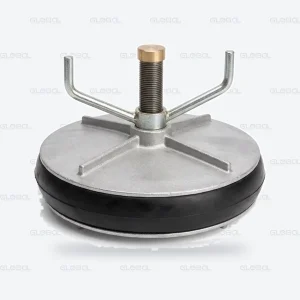
Every plug covers a bore range. For example, our 100 mm aluminium plug fits bores from 94 to 110 mm. Measure the ID, then pick the plug whose range covers it comfortably.
2. What test pressure do you need?
This is the most important question, and it splits plugs into clear families:
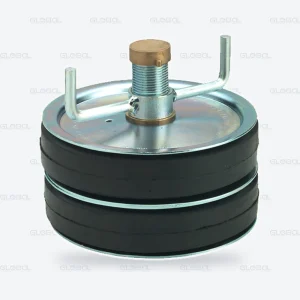
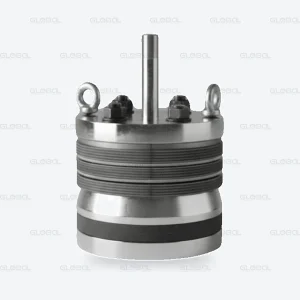
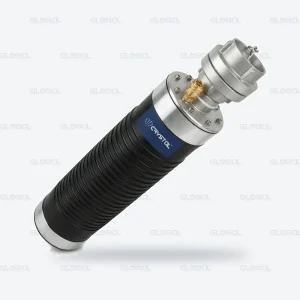
- Low-pressure drain and sewer tests, up to about 2 bar: aluminium and steel mechanical plugs.
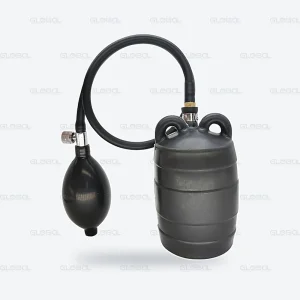
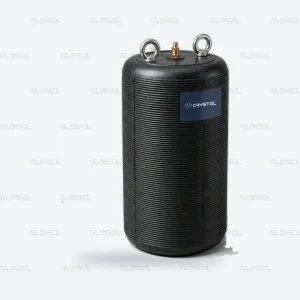
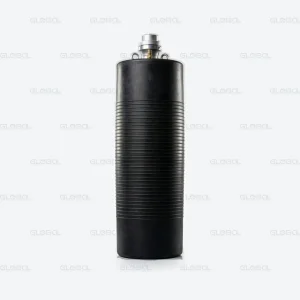
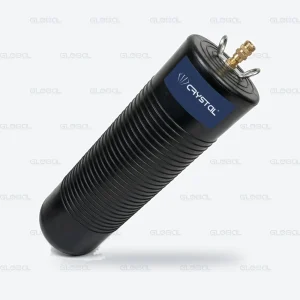
- Large or irregular pipes at low pressure: inflatable plugs, from 35 to 4,200 mm.
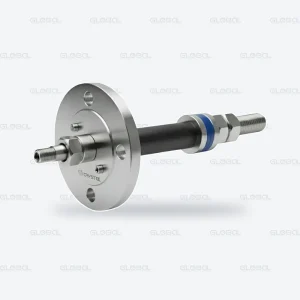
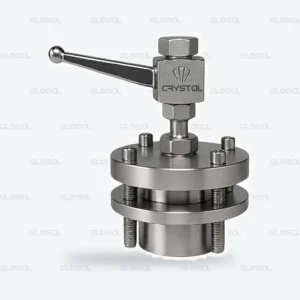
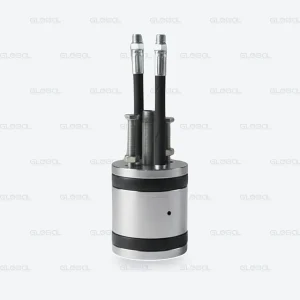
- High-pressure hydrostatic tests: IN-MAX™ and OUT-MAX™ plugs, rated to 15,000 psig (1,034 bar).
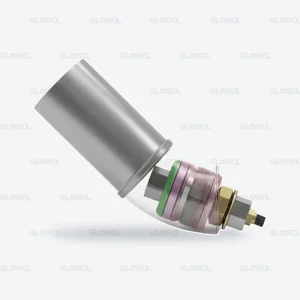
- Pipe elbows: ELBOW-MAX™, rated to 3,048 psig (234 barg).
Never use a plug above its rated pressure, and always use the rating of the lowest-rated component in the test setup.
3. Water or air?
Hydrostatic (water) tests are generally preferred because water stores far less energy than compressed air. If a plug or pipe fails during an air test, the stored energy is released suddenly. Air tests are usually limited to low pressures; follow your project specification.
4. Open end, plain end or a weld?
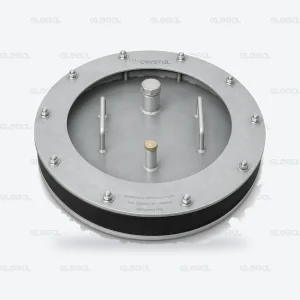
Internal plugs seal inside the bore. When the pipe end is open or plain and you need to seal on the outside, an external plug such as OUT-MAX™ grips the outside diameter. To test a single weld without filling the whole line, a weld test plug isolates just that joint.
This article is general guidance. Always follow your project specification and the manufacturer’s instructions.