









Two steel pipes with the same nominal size can have very different bores. For an internal test plug, the bore is what matters, so the schedule is as important as the size.
Nominal size and outside diameter
In the ASME B36.10 and B36.19 system, a nominal pipe size (NPS) fixes the outside diameter. A 4″ pipe, for example, is always 4.500″ (114.3 mm) outside, whatever its wall.
The schedule sets the wall, and the wall sets the bore
The schedule number sets the wall thickness. A thicker wall means a smaller bore:
| 4″ pipe | Wall | Inside diameter |
|---|---|---|
| Sch 40 | 0.237″ (6.02 mm) | 4.026″ (102.3 mm) |
| Sch 80 | 0.337″ (8.56 mm) | 3.826″ (97.2 mm) |
The difference of 0.2″ (5 mm) is enough to make a plug that fits one schedule too loose or too tight for the other.
Why plugs are listed by schedule
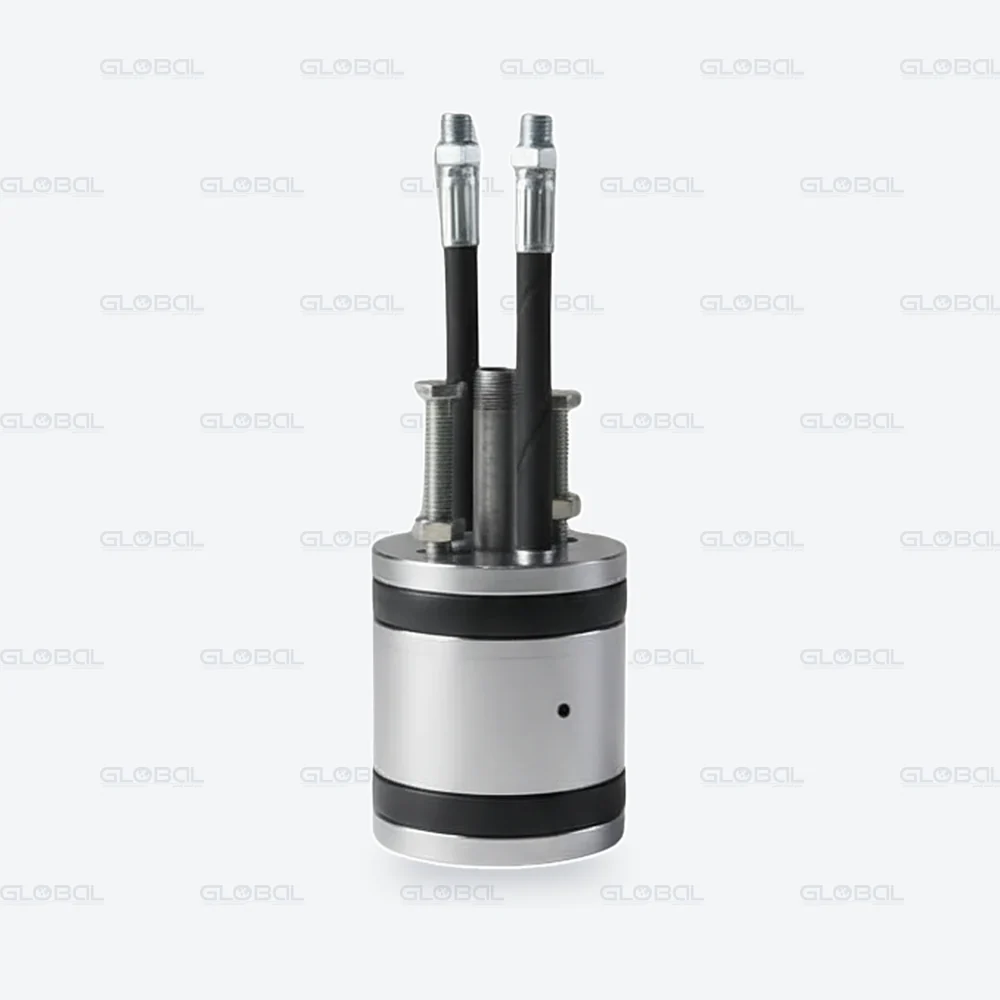
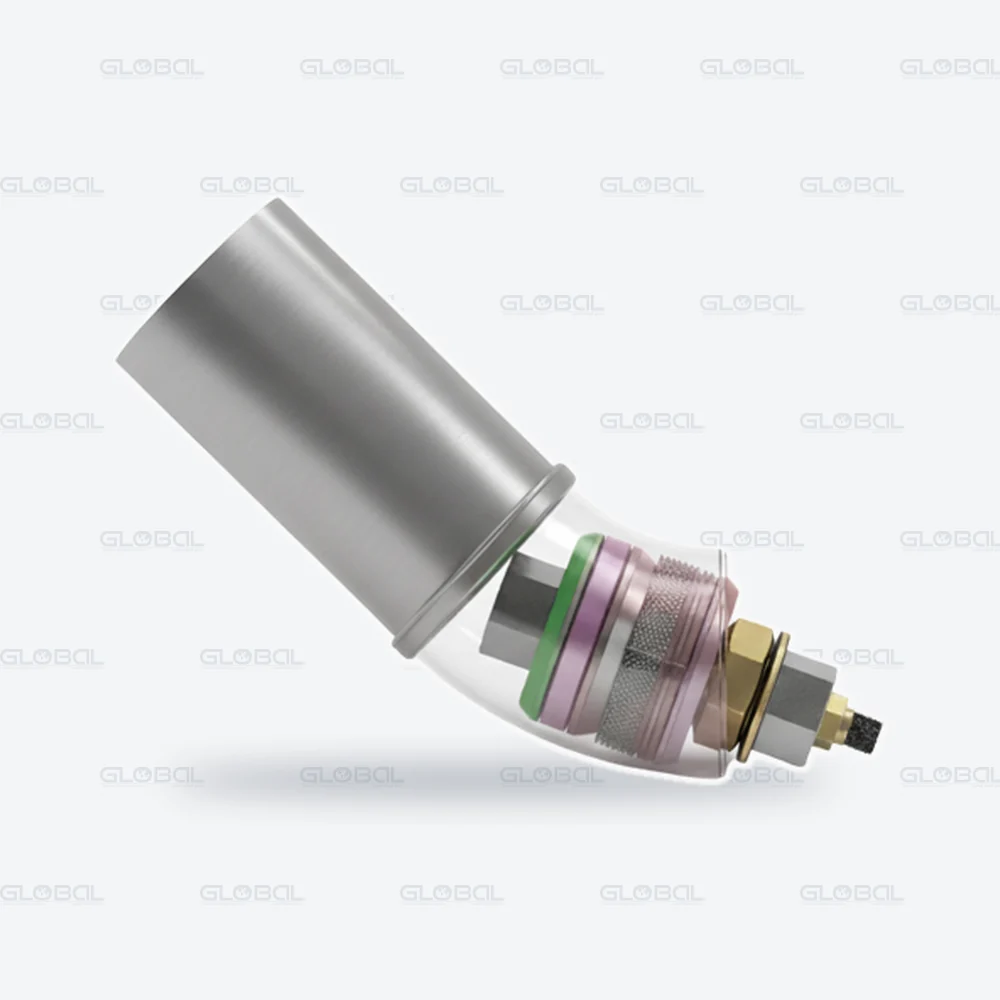
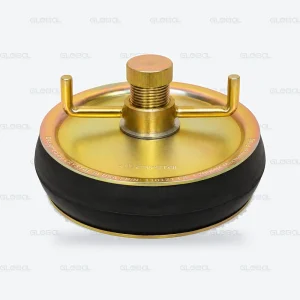
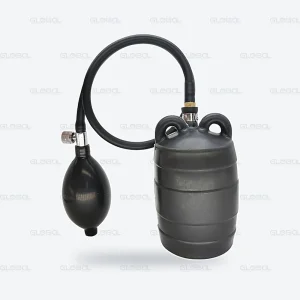
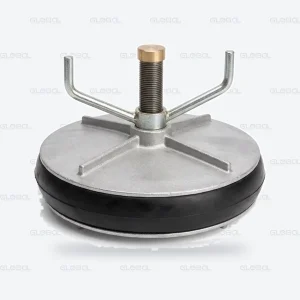
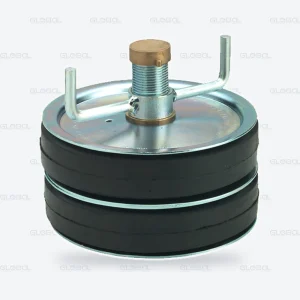
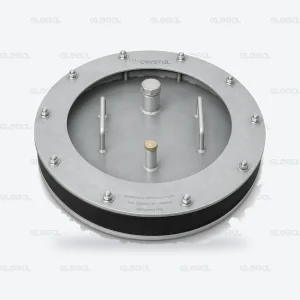
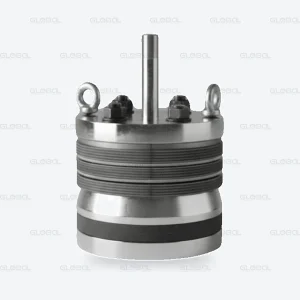
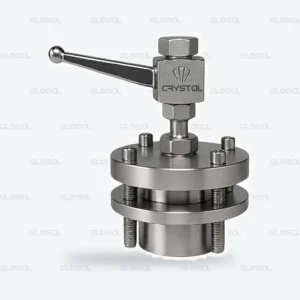
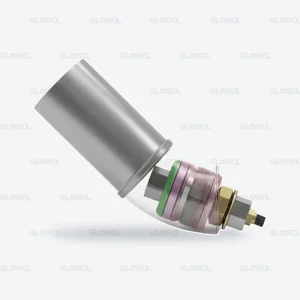
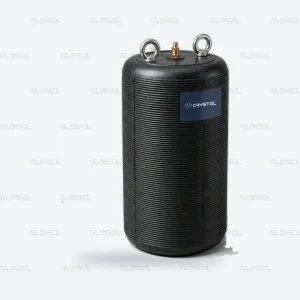
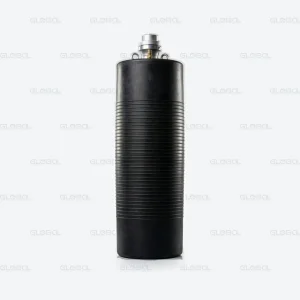
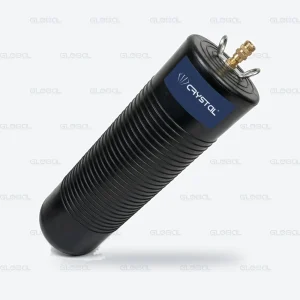
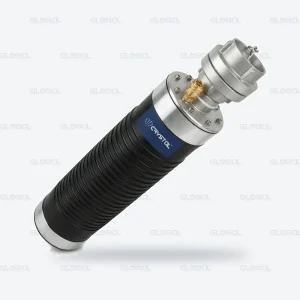
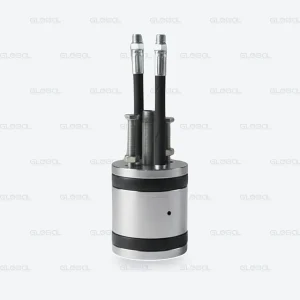
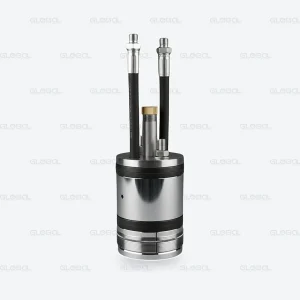
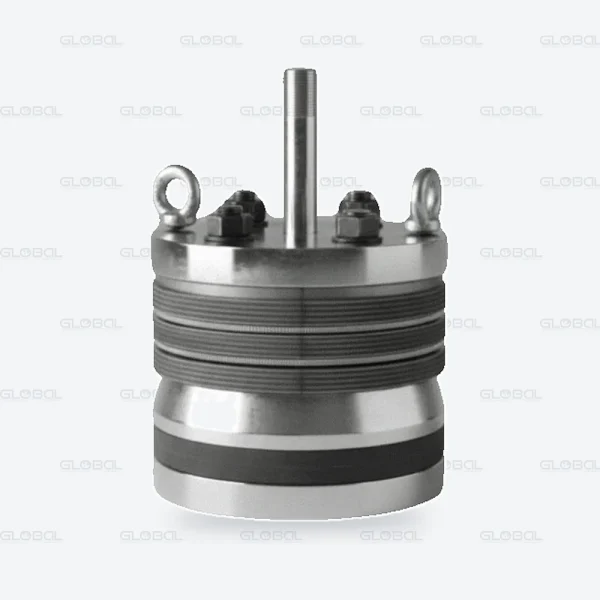
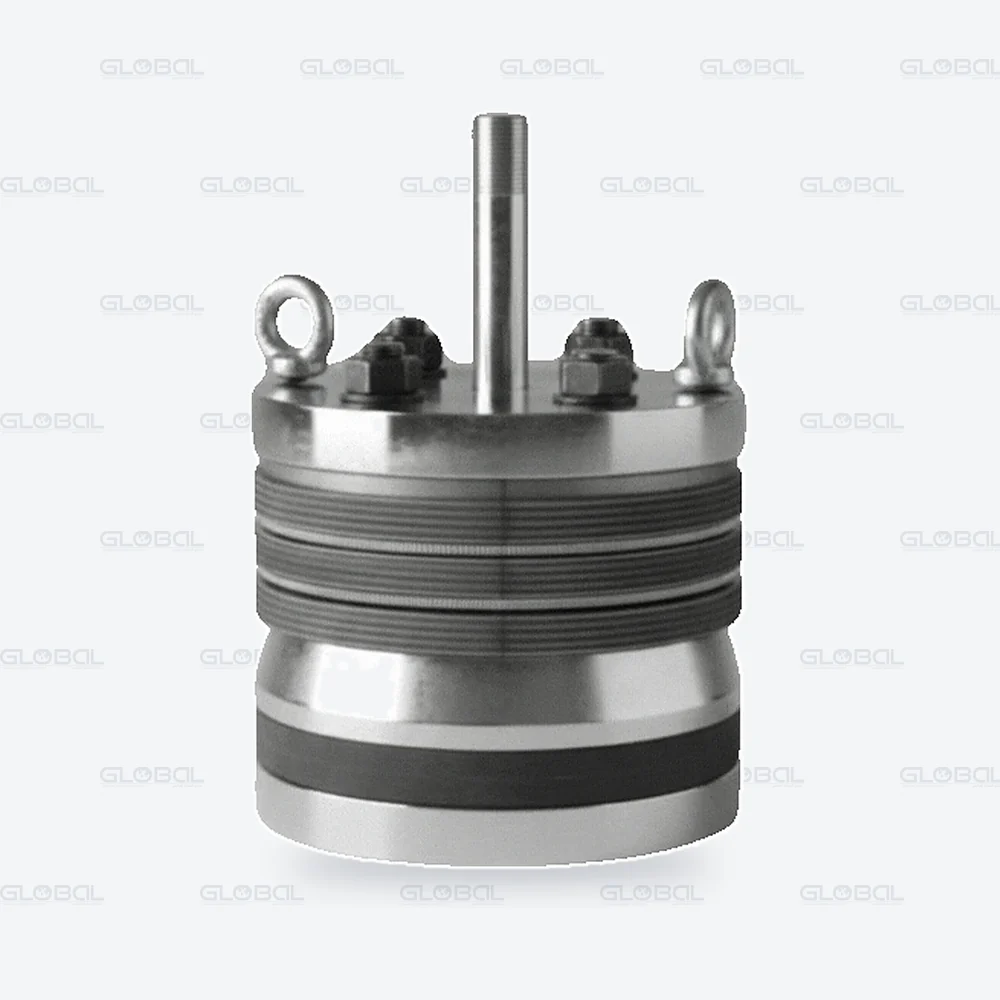
Internal high-pressure plugs such as IN-MAX™ grip and seal on the bore, so each part number is made for one size and schedule. The size tables on our product pages list both, and the selector filters by them.
Before you order
- Confirm the nominal size and schedule from the drawing or the pipe marking.
- For lined, clad or out-of-round pipe, send the measured bore.
- Check the test pressure against the plug rating for that schedule.
This article is general guidance. Always follow your project specification and the manufacturer’s instructions.