


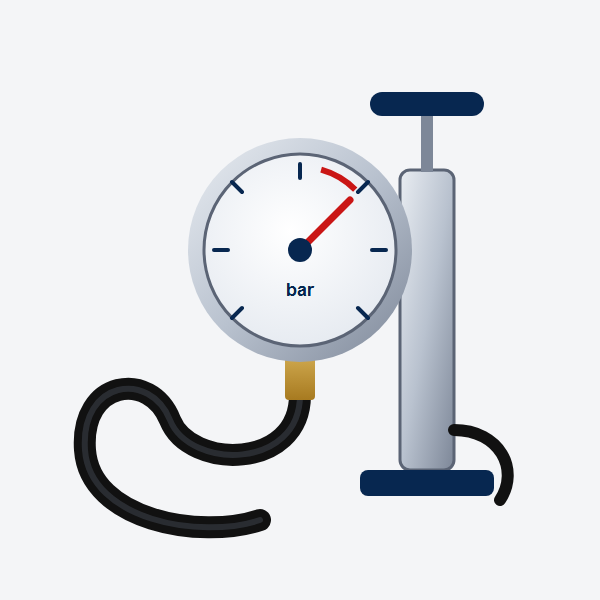
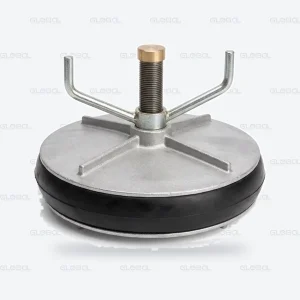
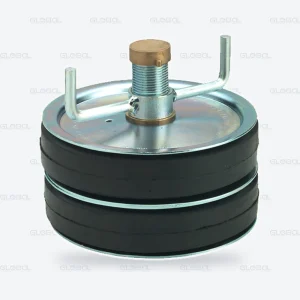
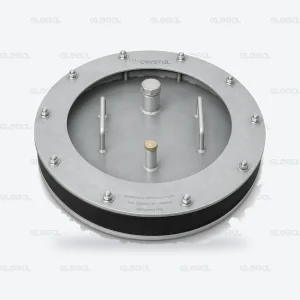
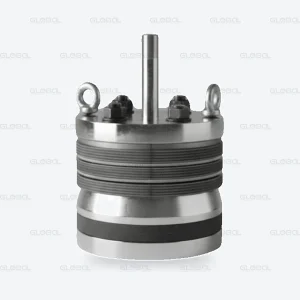
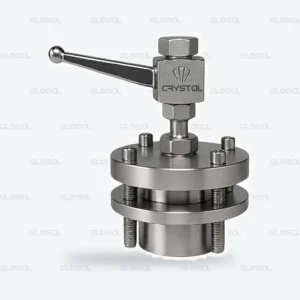
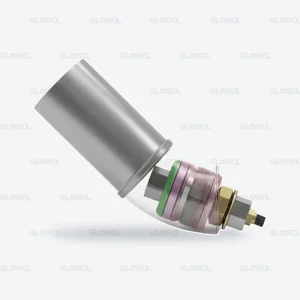
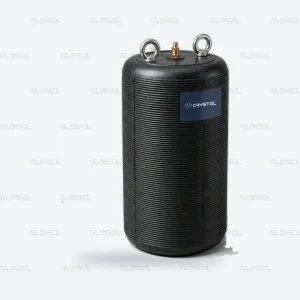
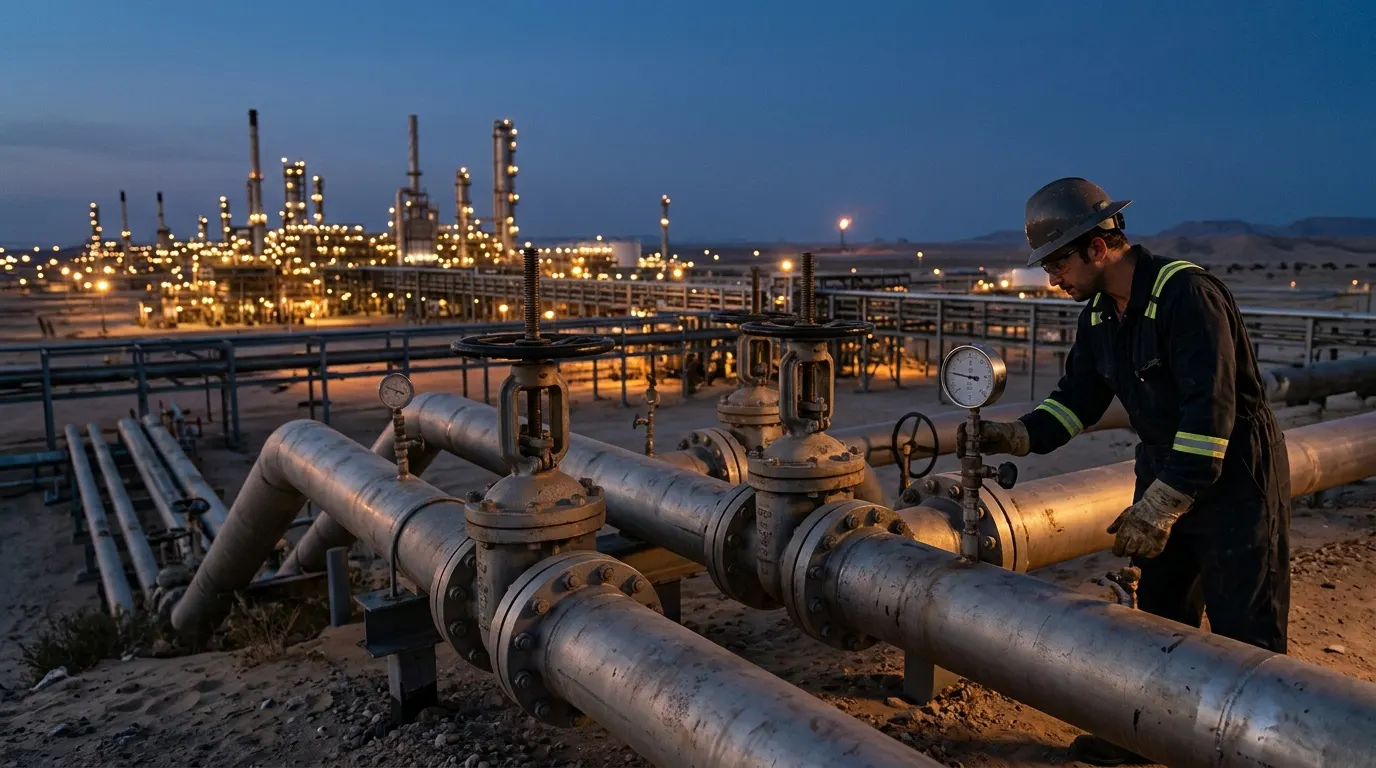
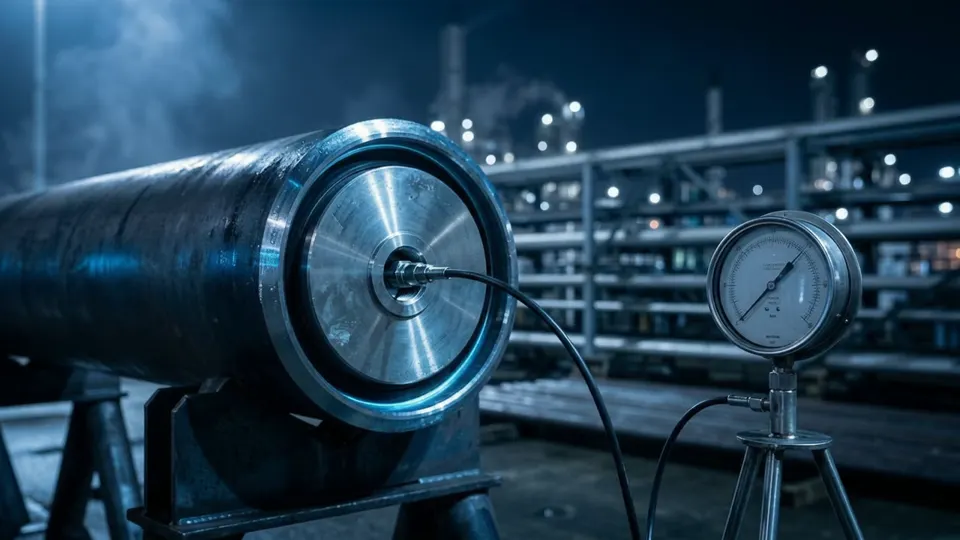

Every new pipeline is pressure-tested before handover. Whether you test with water or with air changes the risk on site.
Why water is usually preferred
Water is almost incompressible, so a hydrostatic test stores little energy. If something fails, pressure drops quickly. Compressed air stores much more energy, so a failure during a pneumatic test can release it violently. That is why air tests are normally kept to low pressures and are only used where the specification allows.
Basic safety rules
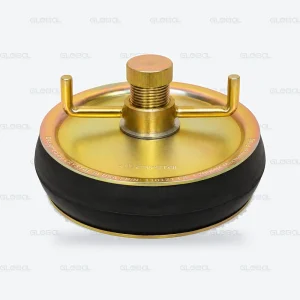
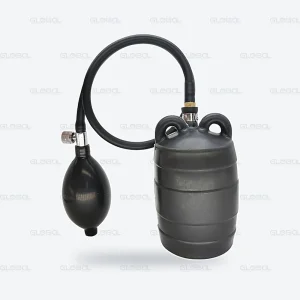
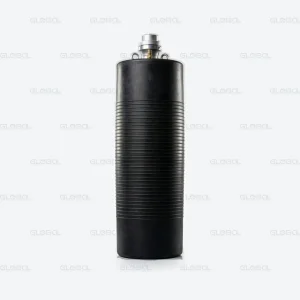
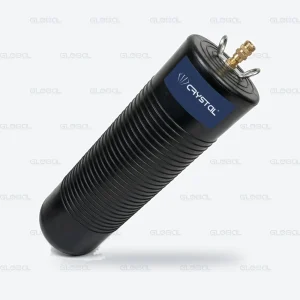
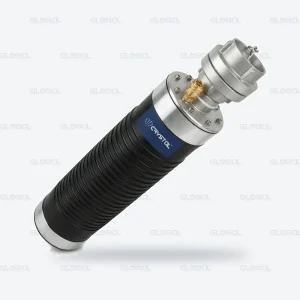
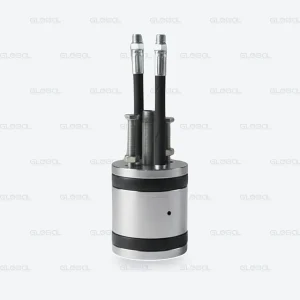
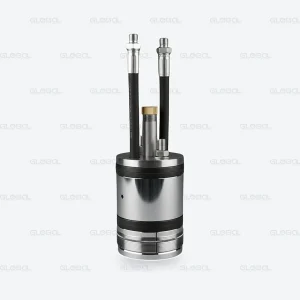
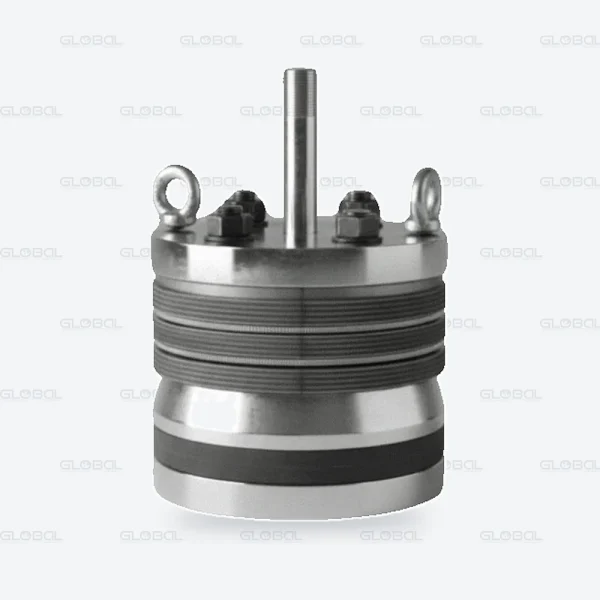
- Check that every plug, fitting and gauge is rated above the test pressure.
- Restrain plugs and pipe ends as required, and keep the exclusion zone clear.
- Never stand in line with a pressurised plug.
- Raise pressure gradually, and hold it as the specification requires.
- Release all pressure before loosening or removing any plug.
- Inspect plugs and seals before every test and replace damaged parts.
Plan the test with your plug supplier
Share the pipe material, internal diameter, test medium and pressure. We will recommend the plug type and confirm its rating for your test. Always follow your project specification and the instructions supplied with the plug.
This article is general guidance. Always follow your project specification and the manufacturer’s instructions.