About GRF
Since 1997.
A rubber factory in Saudi Arabia, with its own metal shop, making rubber, metal and rubber-to-metal parts for industry in 12 countries.
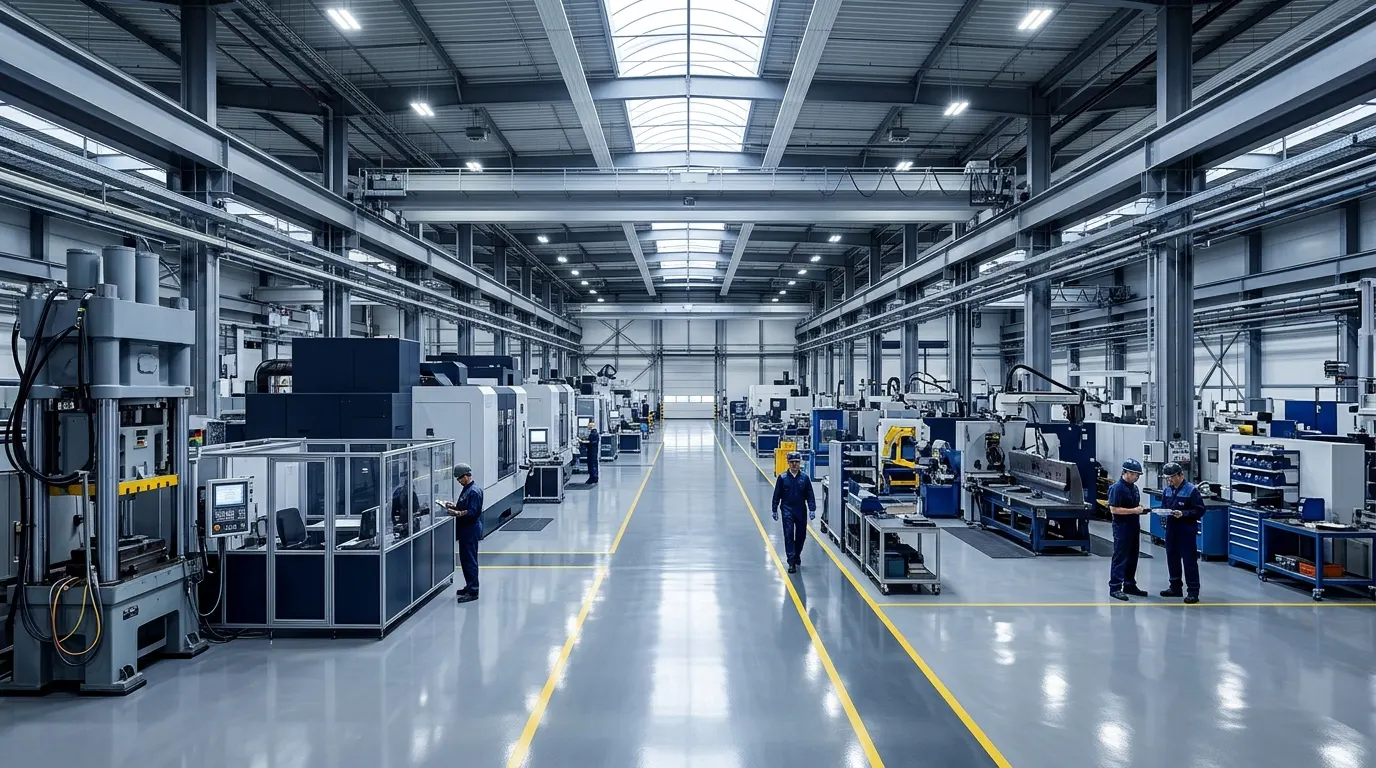 At a glanceWho we are, in numbers→
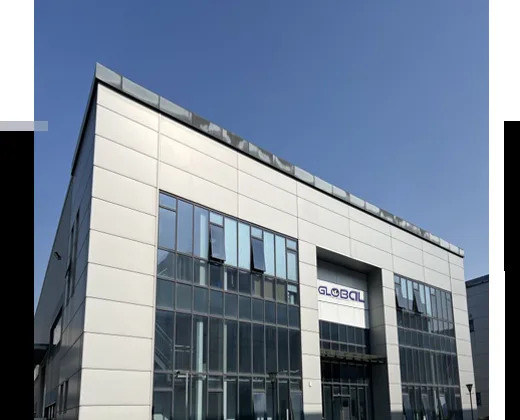 FacilitiesSaudi Arabia · UAE · USA→
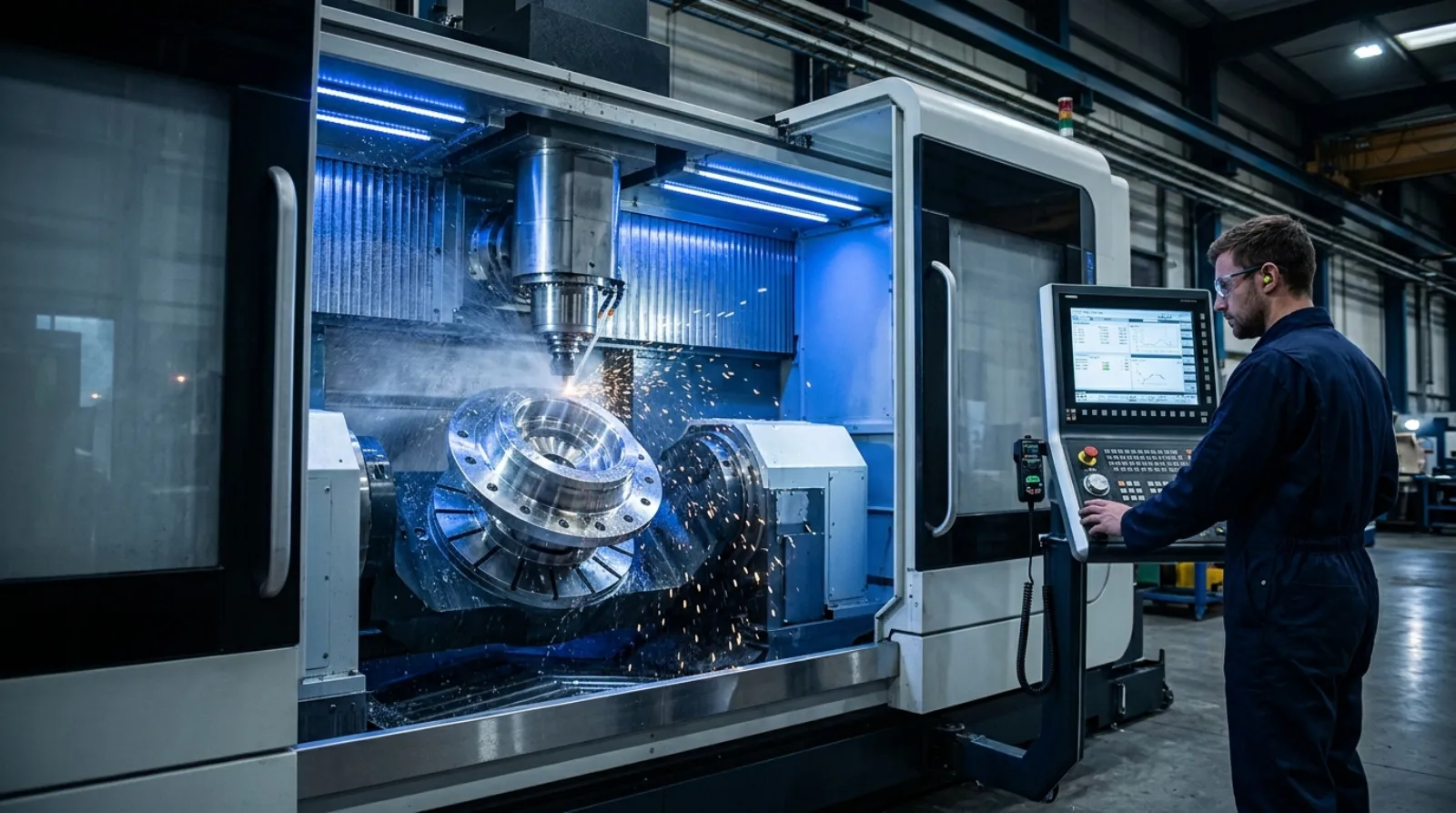 CapabilitiesFrom design to delivery→
 Quality & policiesISO 9001 · 14001 · 45001→
Meet our team in Jeddah, Riyadh, Dammam or Dubai.
→Contact us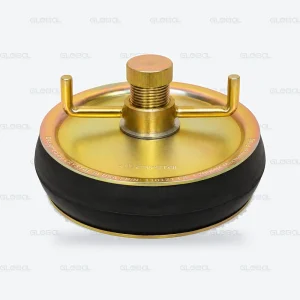 Mechanical test plugs8 products
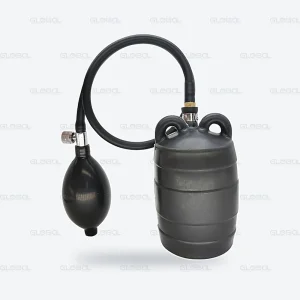 Inflatable plugs5 products
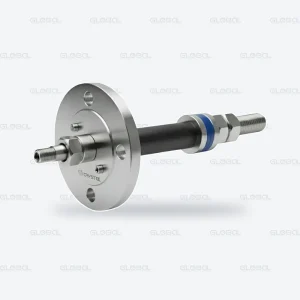 Weld test plugs3 products
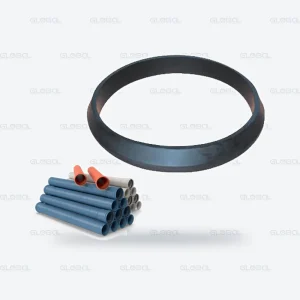 Rubber rings & seals3 products
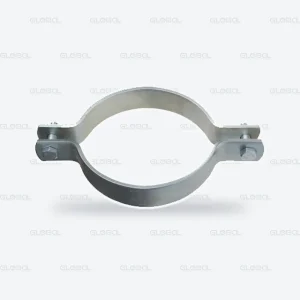
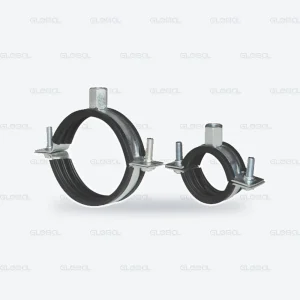 Pipe clamps & hangers2 products
 Tools & accessoriesNewMechanical test plugs7Inflatable plugs5Weld test plugs3Rubber rings & seals3Pipe clamps & hangers2Tools & accessories·CL-PLUG™Center-Lock Pipe Test Plug
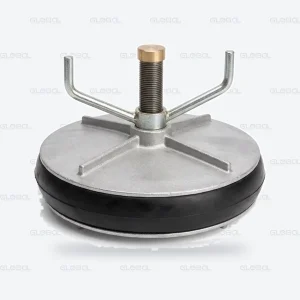 ALU-PLUG™Aluminium Pipe Test Plug
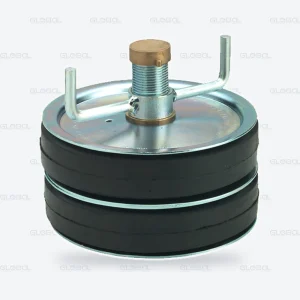 DS-PLUG™Double-Seal Pipe Test Plug
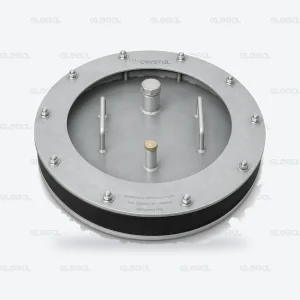 ML-PLUG™Multi-Lock Rim Fastening Test Plug
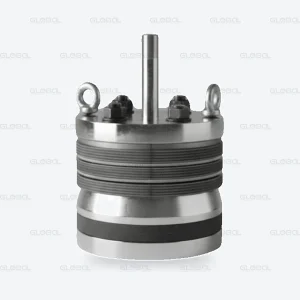 IN-MAX™High-Pressure Inner Test Plug
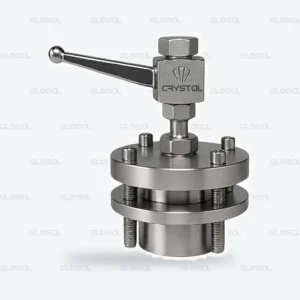 OUT-MAX™High-Pressure Outer Test Plug
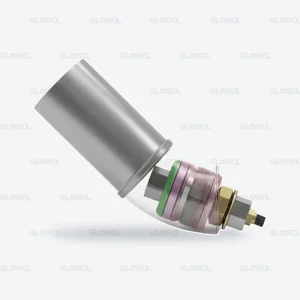 ELBOW-MAX™High-Pressure Elbow Test PlugBALL-PLUG™Balloon Pipe Test Plug
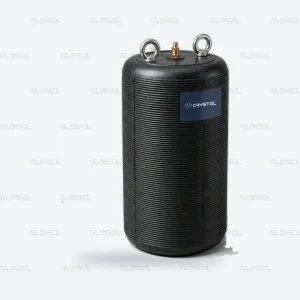 INFLA-STOP™Inflatable Pipe Stopper
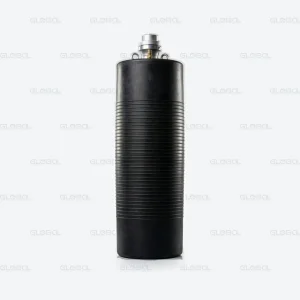 INFLA-TEST™Inflatable Pipe Test Plug with Bypass
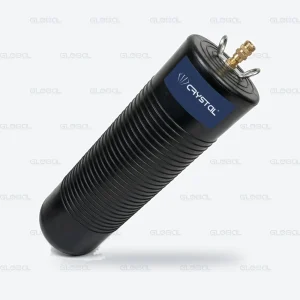 INFLA-PSTOP™High-Pressure Inflatable Pipe Stopper
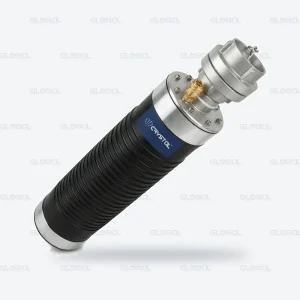 INFLA-PTEST™High-Pressure Inflatable Test Plug
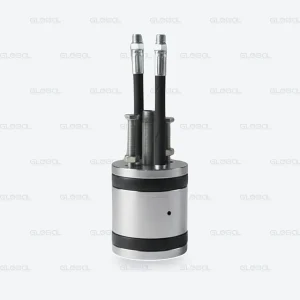 DB-WELD™Double Block Weld Tester
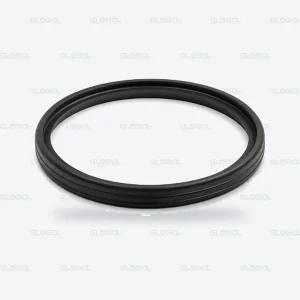
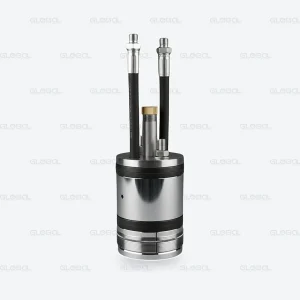 DBG-WELD™Gripper Double Block Isolation & Weld Test PlugFLANGE-WELD™Flange Weld Test & Isolation PlugTRIO-SEAL™3S Rubber Ring for PVC & UPVC Pipes
 LIPRO-SEAL™Lip Seal Rubber Ring for PVC-U Pipes & Fittings
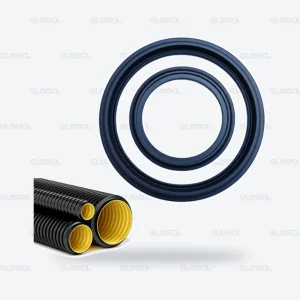 CORA-SEAL™Sealing Ring for HDPE Corrugated Pipes
New products coming soon
View all Tools & accessories →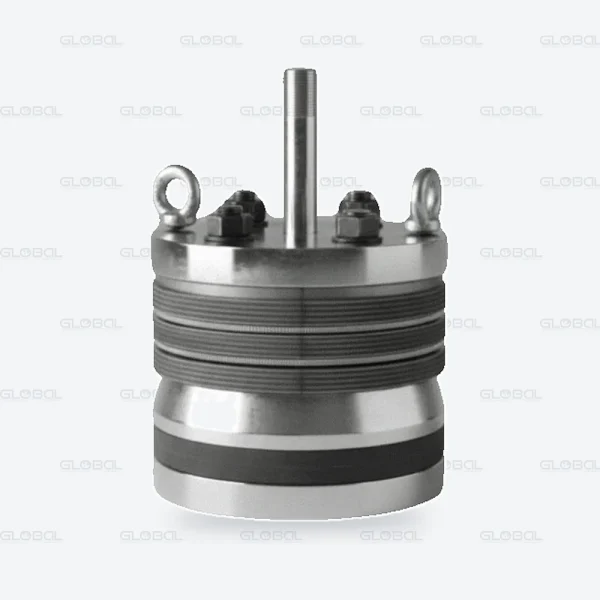 Featured
IN-MAX™ High-Pressure Inner Test Plug
View product →From a drawing or a worn sample to a finished rubber part, plus pressure testing on site or at our factory.
→Custom manufacturing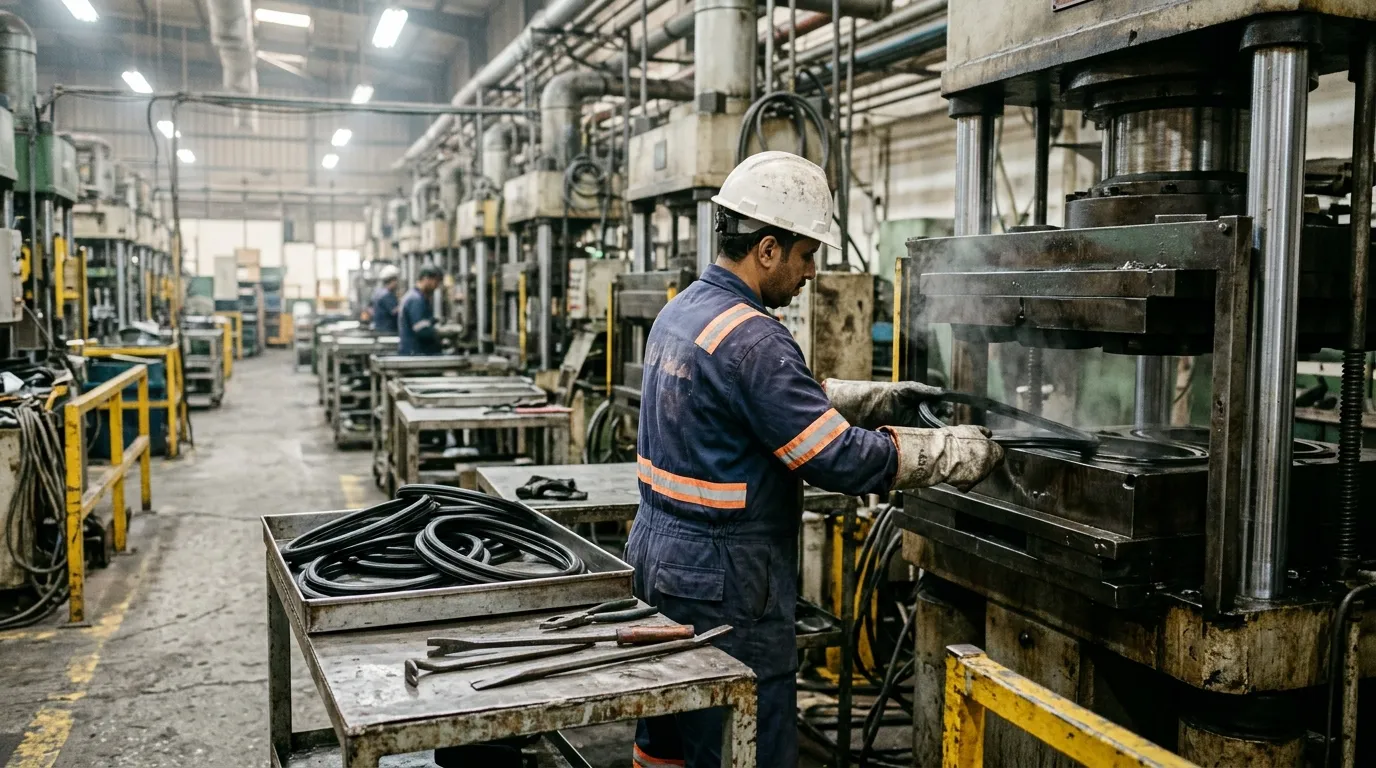
Get a compound proposal, a tooling quote and a lead time.
→Request a quoteFree engineering tools for pipe testing: pick a plug, size the test, and see it before you start.
→All toolsOne rubber factory, many worlds. Each industry has its own conditions and products.
→All industries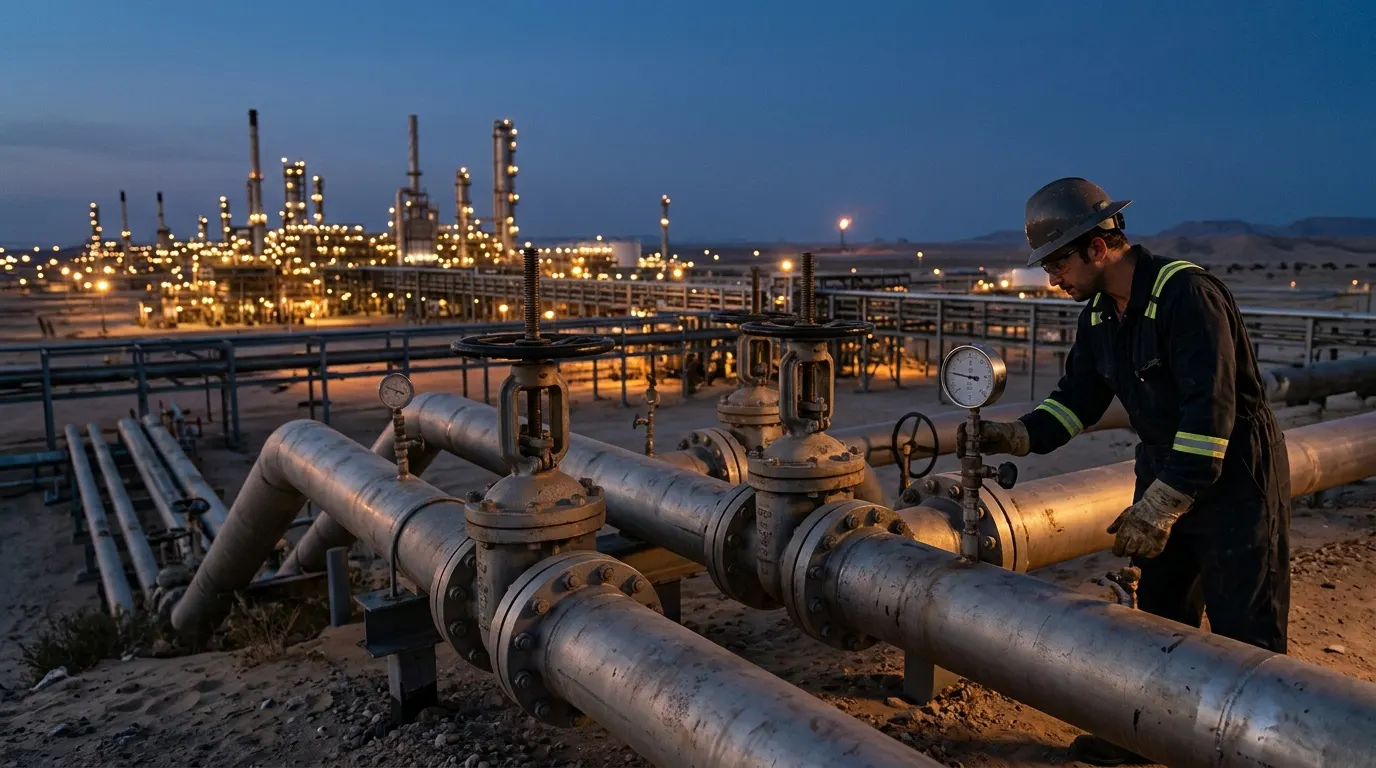 Oil & gasPipelines · Production
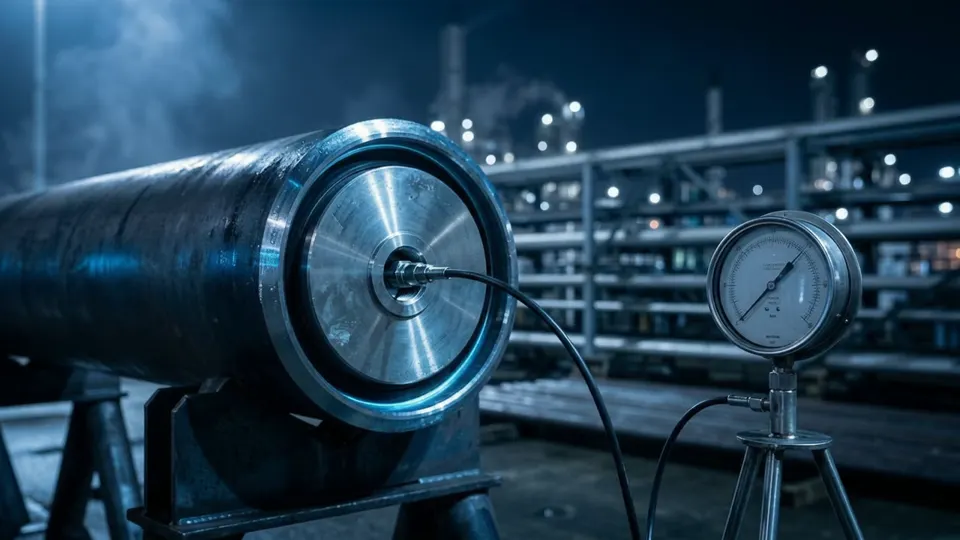 Petrochemical & refiningRefineries · Turnarounds
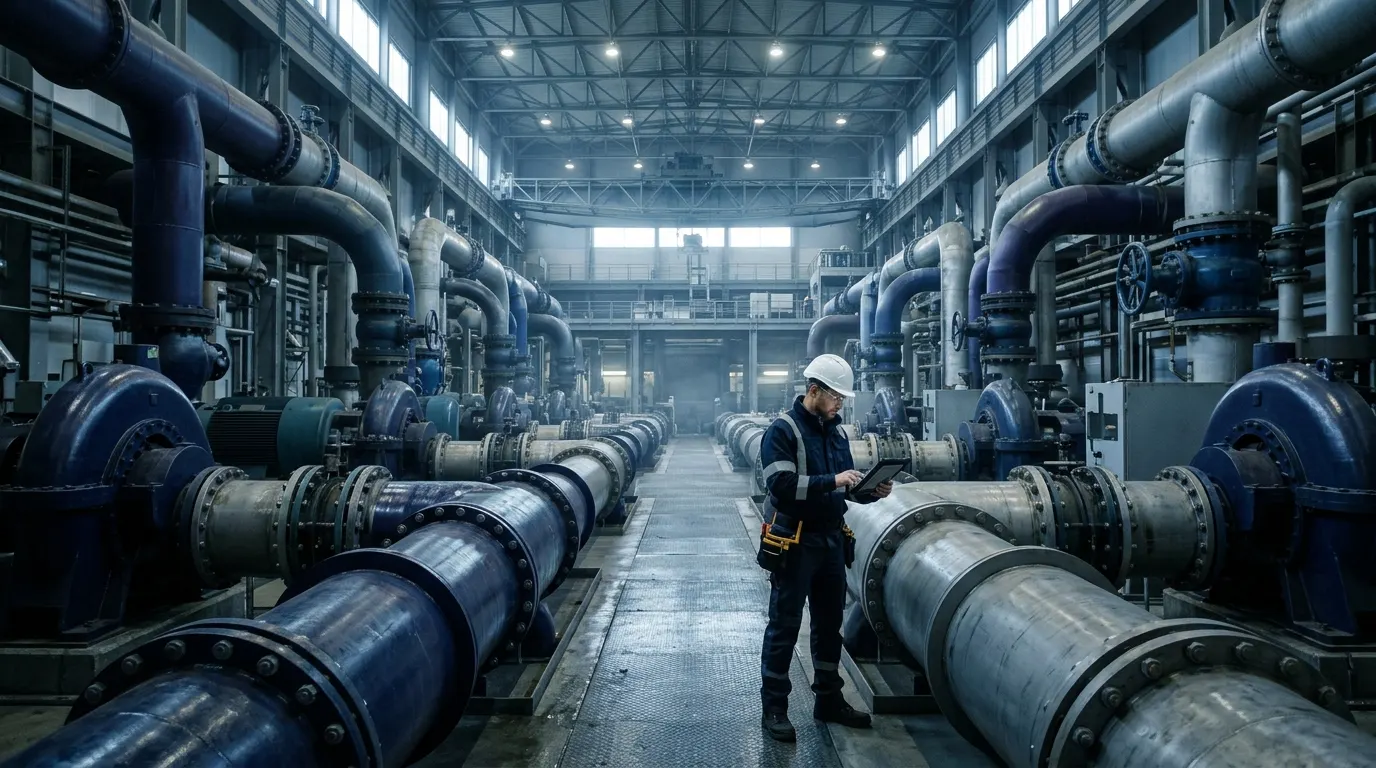 Power & desalinationPower plants · Desalination
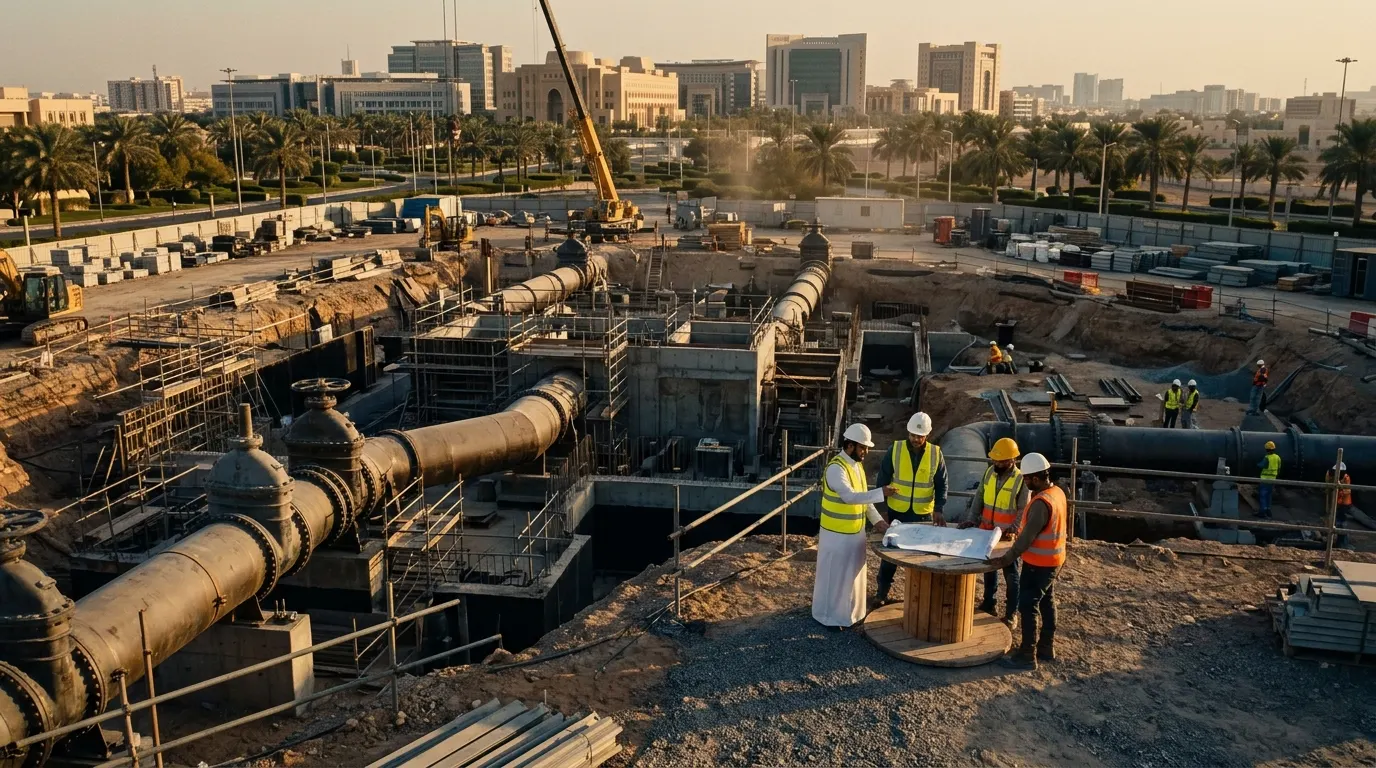
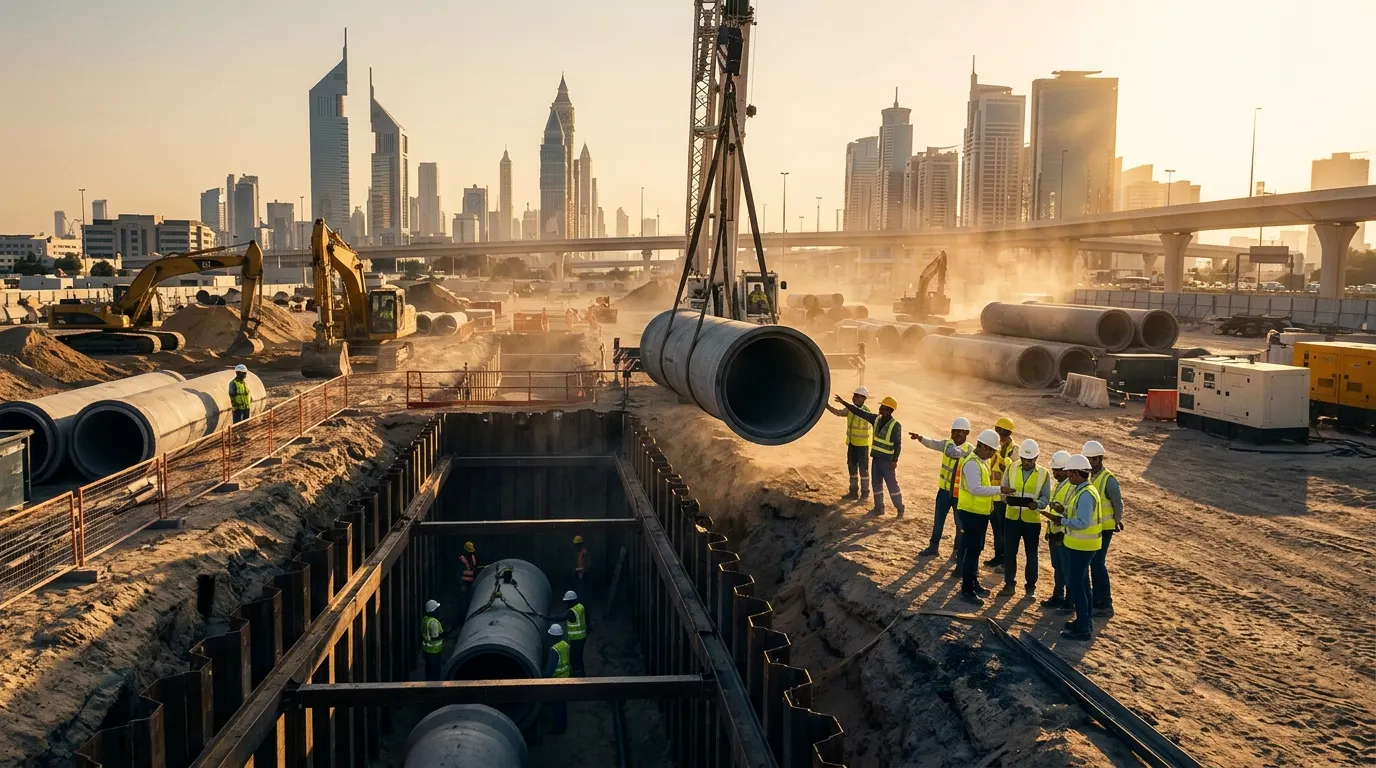 Water & pipelinesWater · Sewage
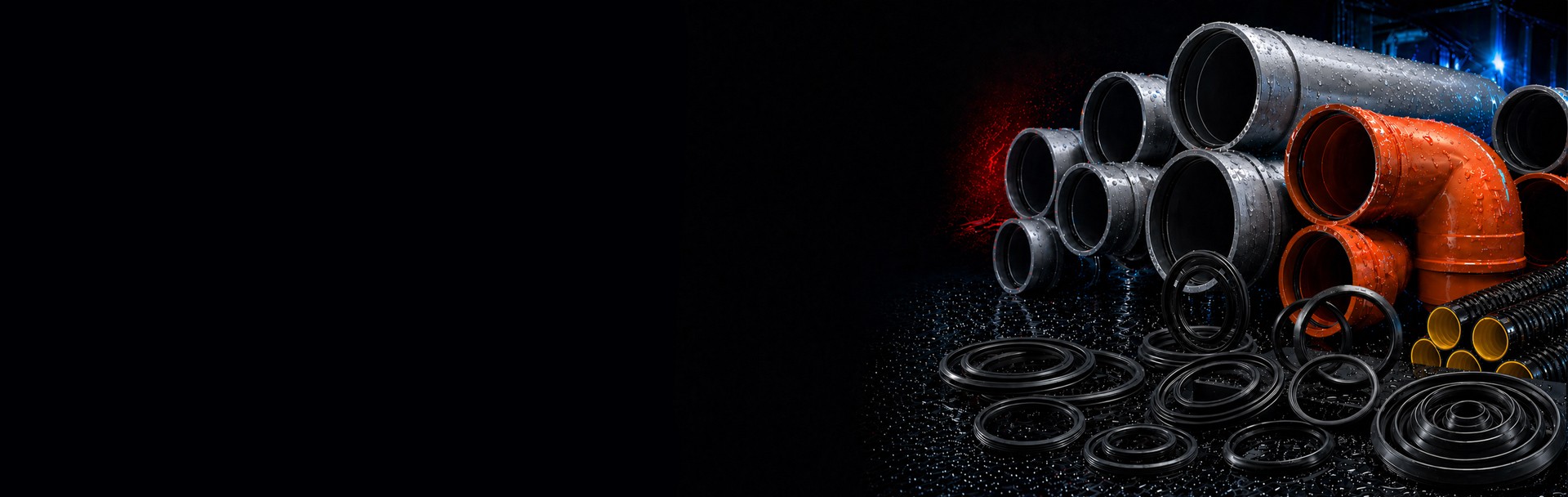 Pipe manufacturersPVC · HDPE · GRP pipes
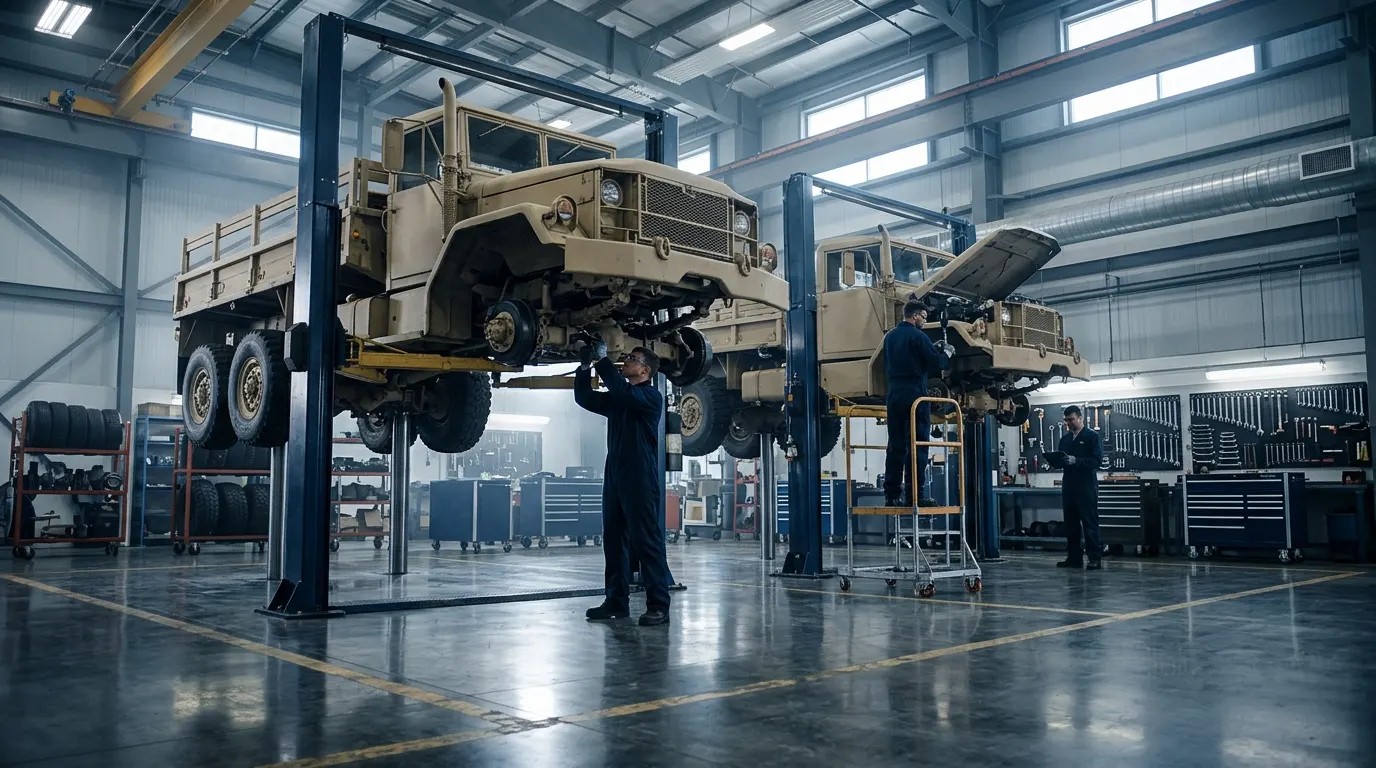
 Military & defenseVehicles · Equipment
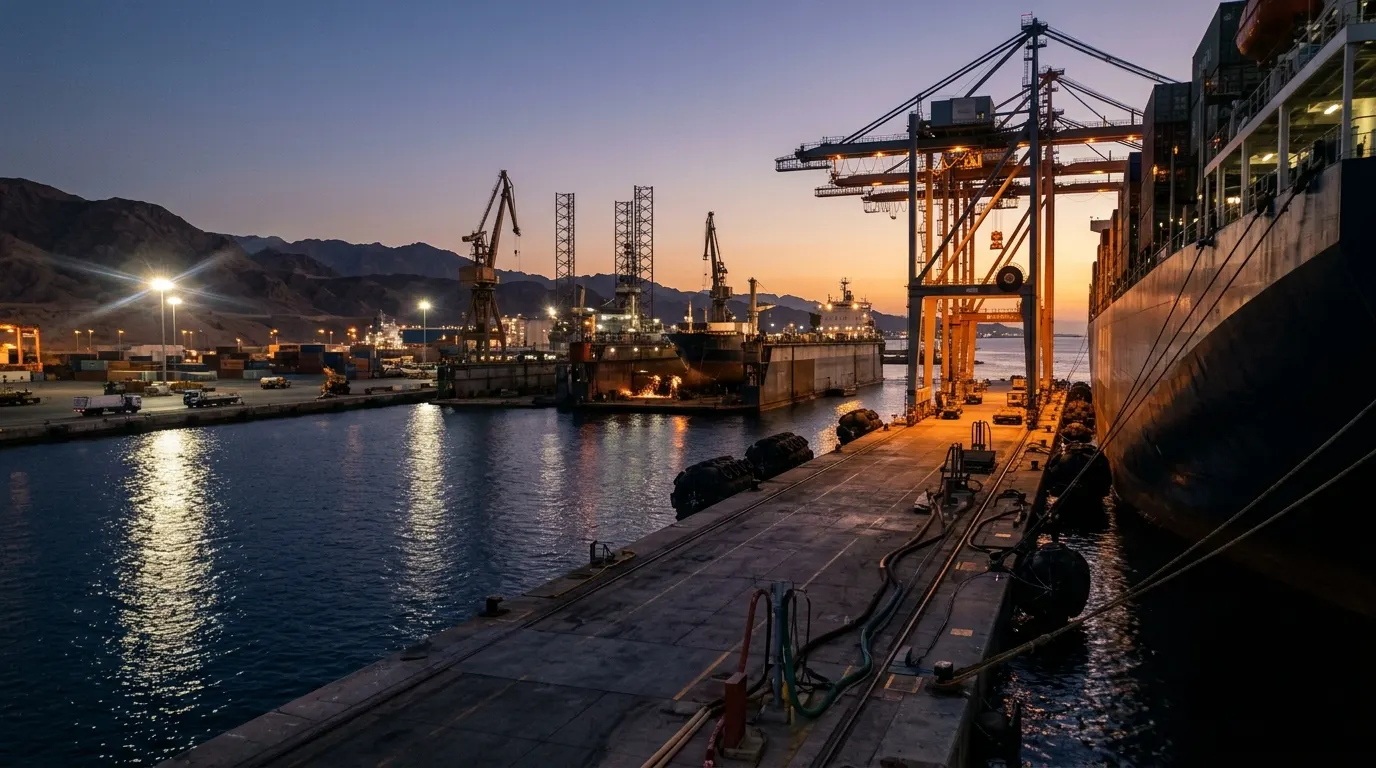 Marine & portsPorts · Shipyards
 Civil worksInfrastructure
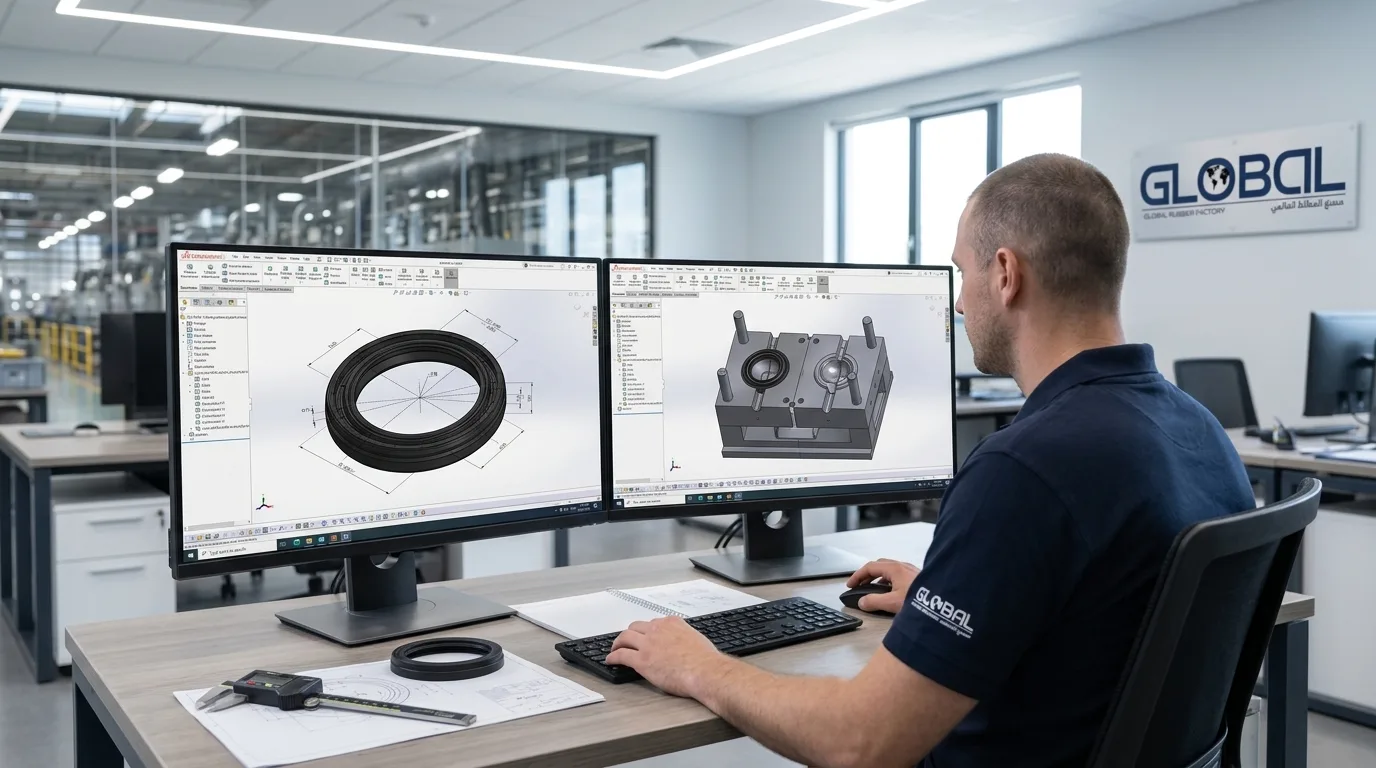 General industriesFactories · Machine builders
Resources · Rubber guide
Compare common rubber compounds, learn the properties that matter and how rubber is bonded to metal. Then tell us about your part.
Compound chart
Tap what your part must resist. The compounds that suit it light up.
| Compound | Temperature | Water | Oil | Weather | Heat | Abrasion | Typical use |
|---|---|---|---|---|---|---|---|
| NR Natural rubber | −50 to +80 °C −58 to 176 °F | Anti-vibration mounts, wear parts | |||||
| SBR Styrene-butadiene | −40 to +100 °C −40 to 212 °F | Drainage pipe rings, general parts | |||||
| EPDM Ethylene propylene diene | −50 to +150 °C −58 to 302 °F | Water and sewer seals, steam, outdoor seals | |||||
| NBR Nitrile | −30 to +100 °C −22 to 212 °F | Oil, fuel and gas seals, hydraulics | |||||
| CR Chloroprene (neoprene) | −40 to +110 °C −40 to 230 °F | Weather and marine seals, bearings pads | |||||
| FKM Fluoroelastomer | −20 to +200 °C −4 to 392 °F | Hot oil, fuels and chemicals | |||||
| VMQ Silicone | −60 to +200 °C −76 to 392 °F | Very high and low temperatures, static seals | |||||
| PU Polyurethane | −30 to +80 °C −22 to 176 °F | Pipeline pigs, scraper and wiper seals, rollers and wear parts in oil, gas and petrochemical plants |
General guidance for common grades. The exact medium, temperature, pressure and any approvals decide the final compound: our engineers confirm it for your part.
Guides
Short, practical guides from our engineers on rubber, test plugs and pressure testing.
What rubber is and the properties that matter
Rubber, or elastomer, is a polymer that stretches and returns to its shape. Compounds mix a base polymer with fillers, oils and a cure system, then heat cures (vulcanises) the part in a mould.
Most parts are moulded in compression, transfer or injection moulds. The right method depends on the shape, size and quantity.
Five questions that pick the right rubber
Use the rubber guide above for a first view, then send us the answers. We recommend the compound and test it.
How bonded parts are made and why
Bonded parts join rubber and metal into one piece: mounts, bushings, bonded seals and lined parts.
We machine the metal in our own shop and mould the rubber in our own factory, so the insert and the compound are made for each other.
3S, lip and corrugated rings
Custom rubber parts
Glossary
Send a request
Pick what you need, add the details and a drawing or photo if you have one. Our engineers reply by email or phone.
FAQ
They give a fast first answer. Final selections and test pressures depend on your specification, and our engineers confirm them.
Yes. We make custom plugs, seals and rubber parts. Send the details through the form.
For many standard parts, yes. Choose Sample request in the form.
Tell us the pipe, the pressure or the part. We point you to the right product or service.
Product Enquiry
WhatsApp us