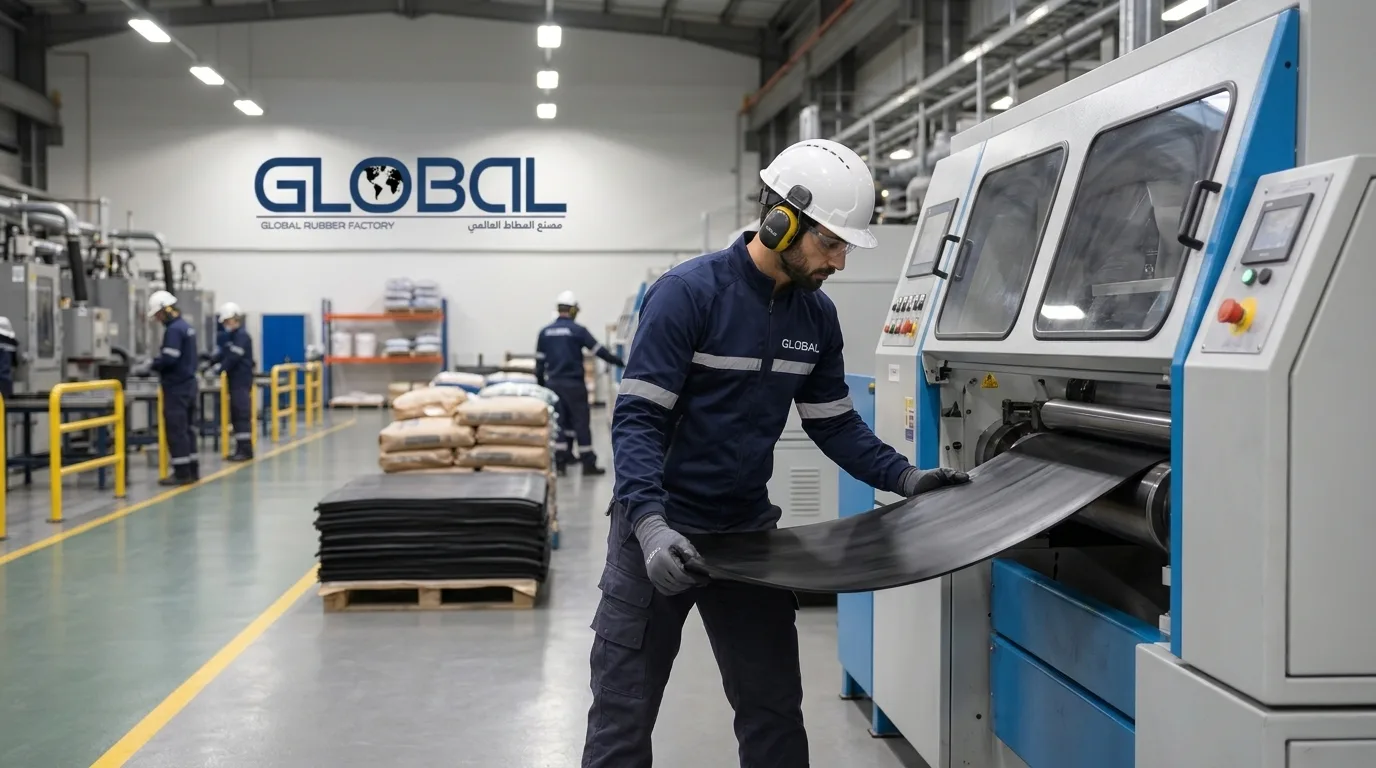

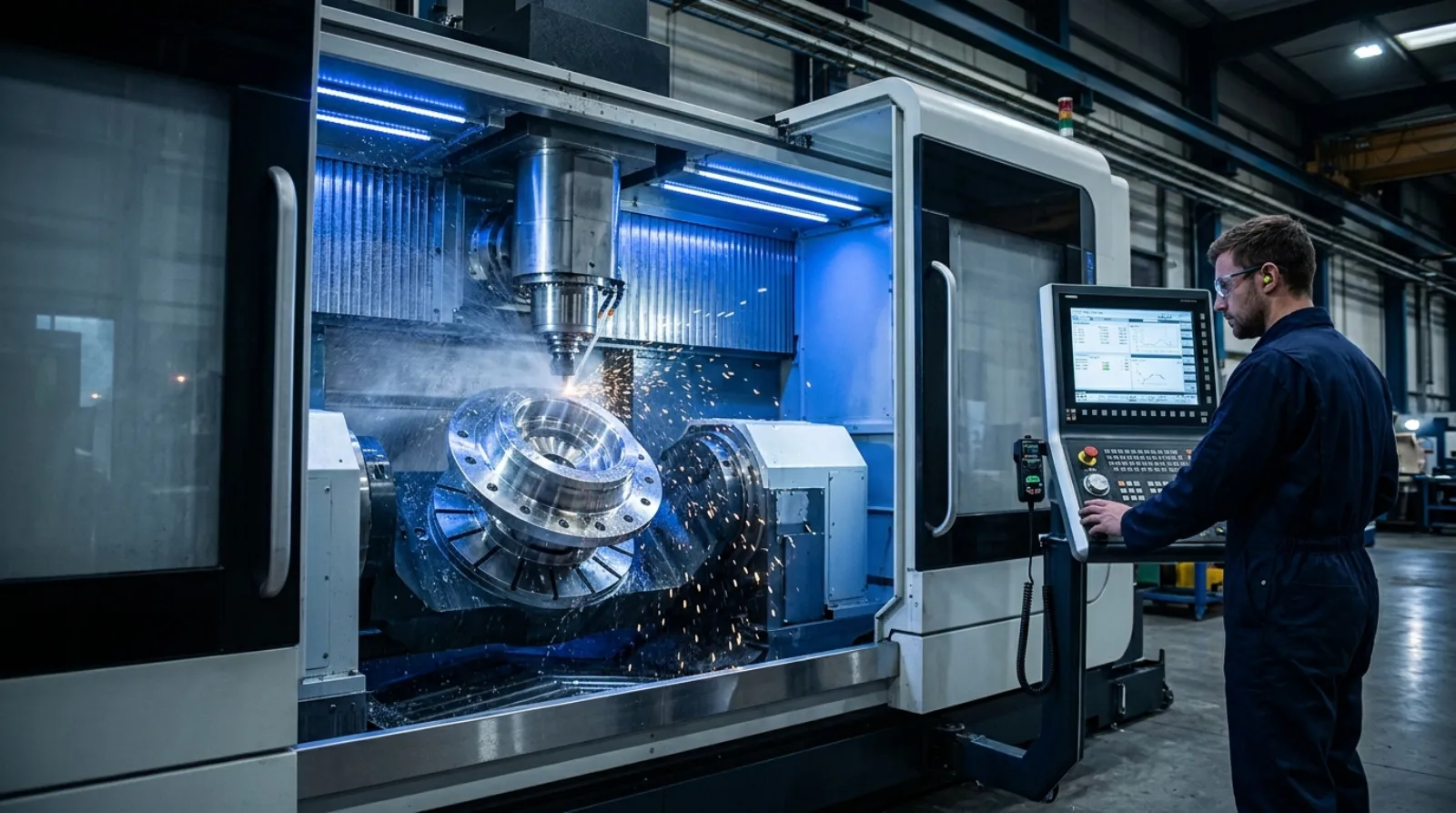





Many engineering parts combine rubber and metal: mounts, rollers, seals with steel inserts. The bond must be stronger than the rubber itself, and that depends on preparation as much as on moulding.
1. Prepare the metal
- Degrease to remove oil and dirt.
- Grit-blast or chemically treat the surface to clean it and give it texture.
- Handle with clean gloves; a fingerprint can weaken the bond.
2. Apply the bonding system
A primer and a cover coat (or a one-coat system) are applied in a controlled thickness and allowed to dry. The system is chosen to suit both the metal and the rubber compound.
3. Mould and vulcanise
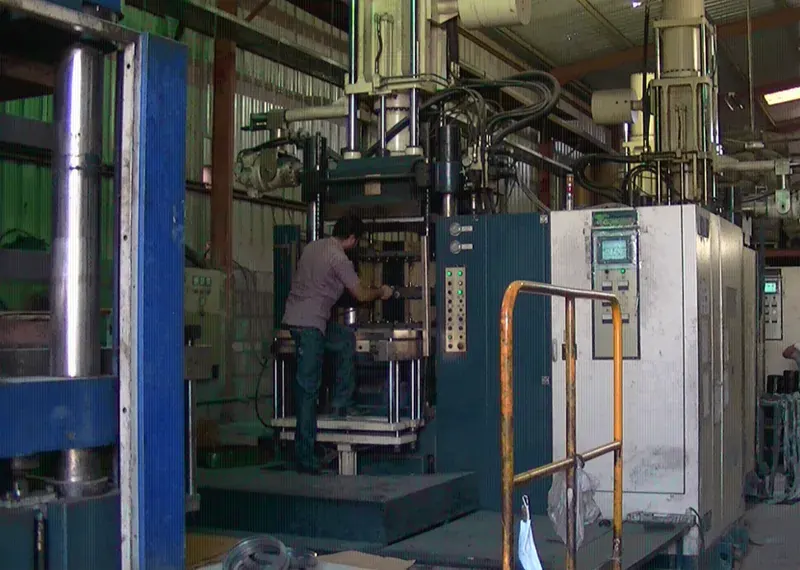
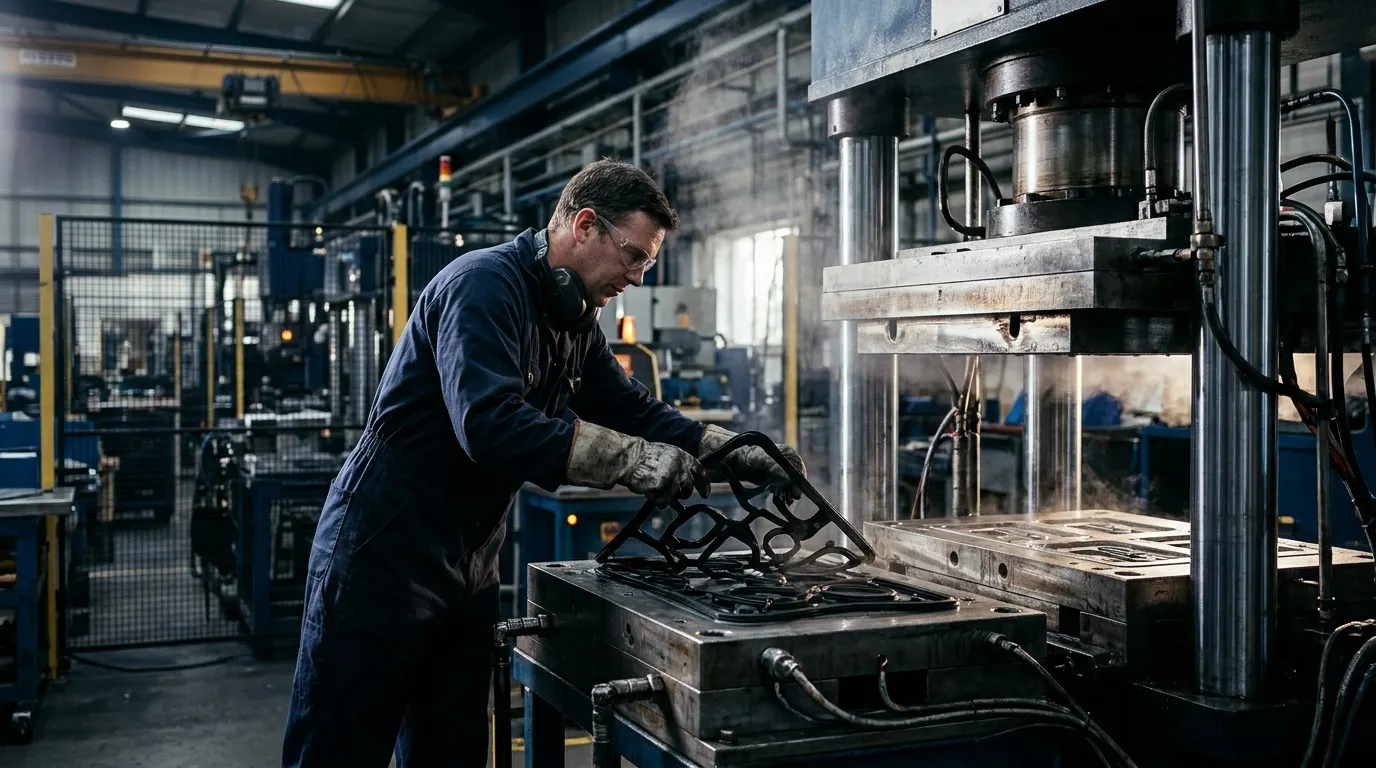
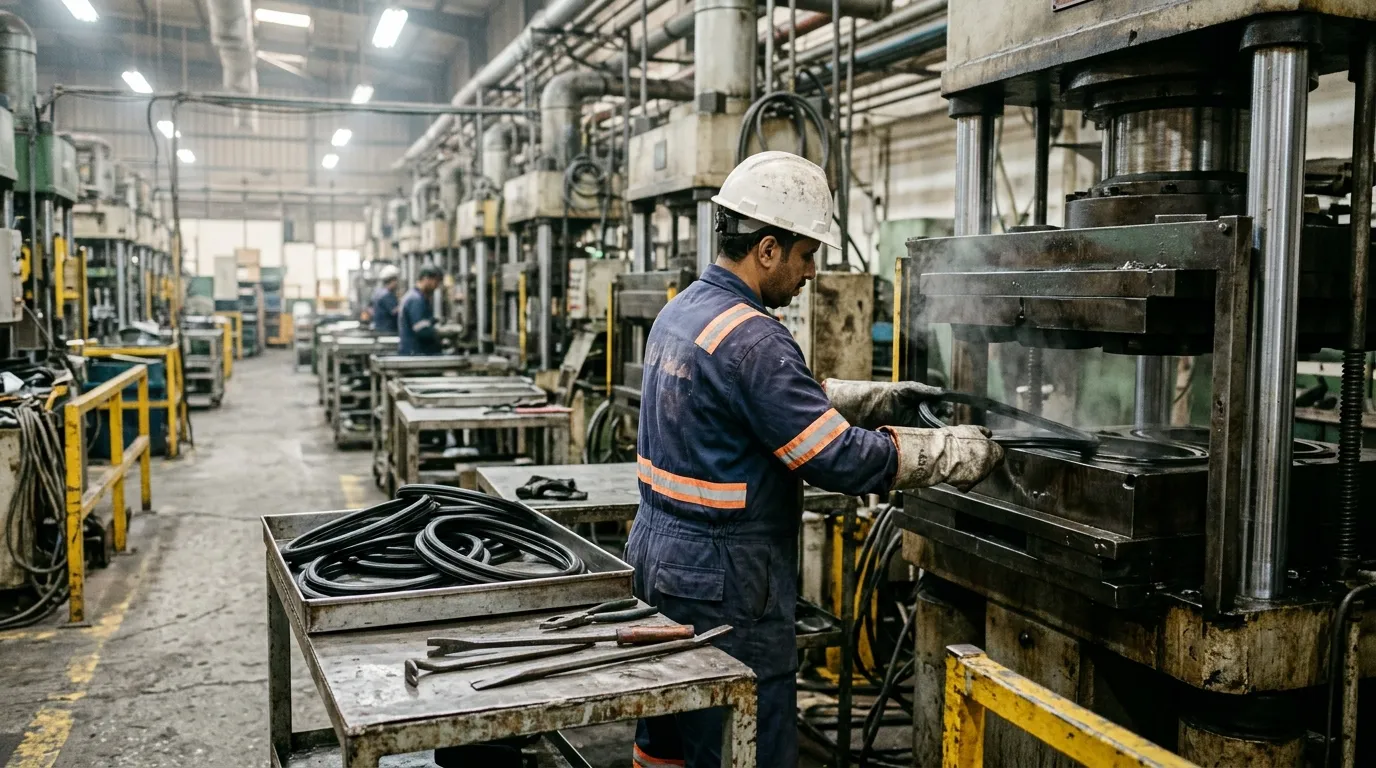
The prepared inserts are placed in the mould and the rubber is moulded around them, usually by transfer or injection. The bond forms during vulcanisation, as the rubber cures.
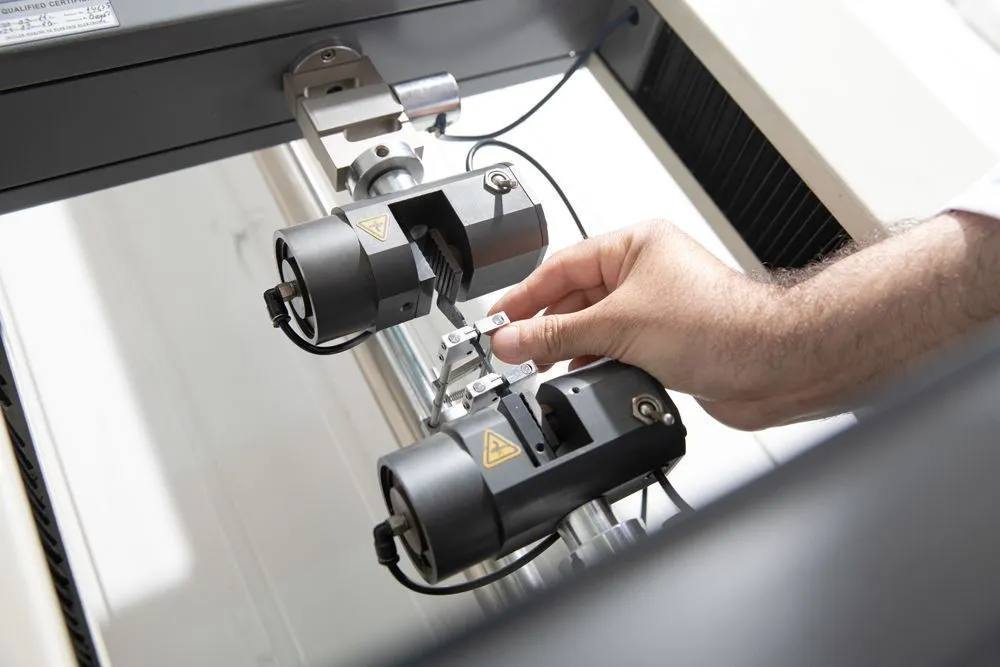
4. Test the bond
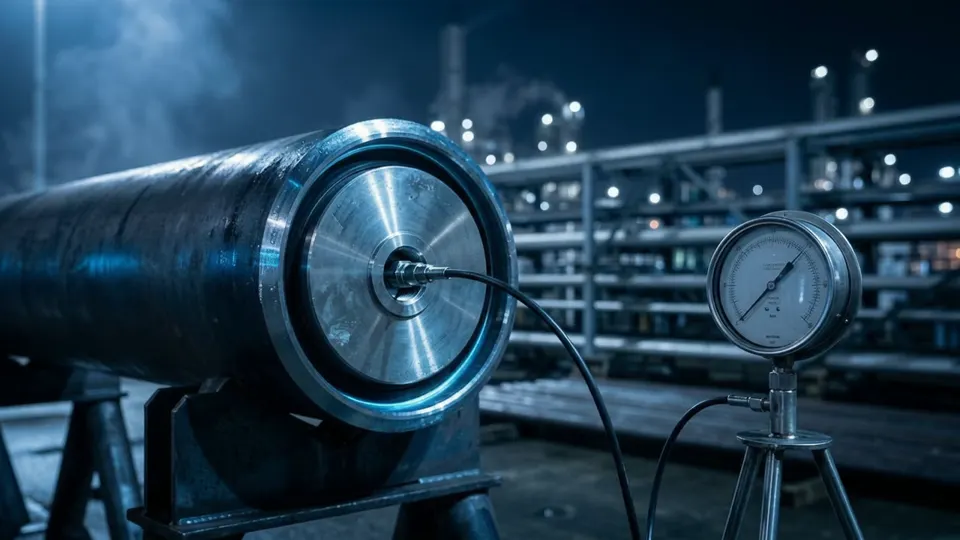
Bond strength is checked by peel or pull tests, for example to ASTM D429. In a good bond the rubber tears before the bond lets go, so the failure is in the rubber, not at the metal surface.
We design and produce bonded parts in-house. See custom rubber parts and send your drawing.
This article is general guidance. Always follow your project specification and the manufacturer’s instructions.