

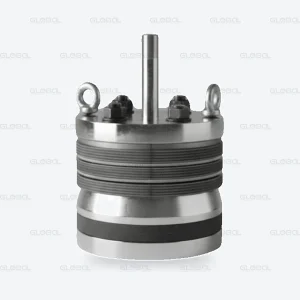
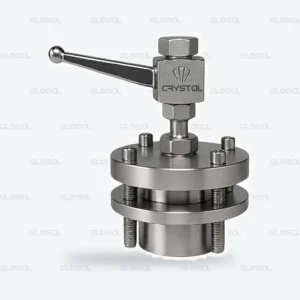
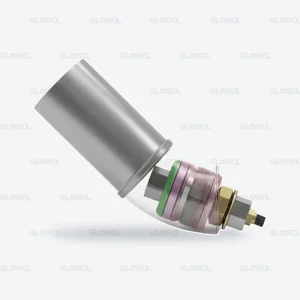
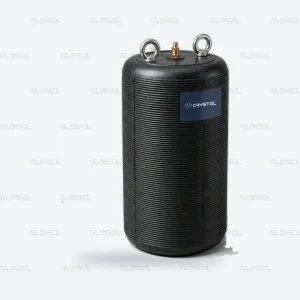
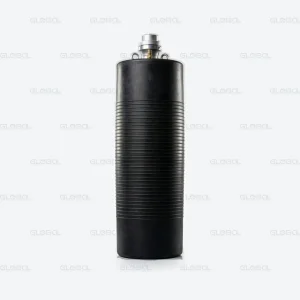
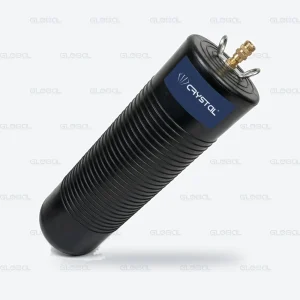
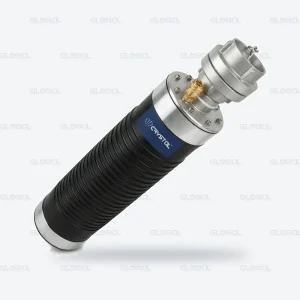
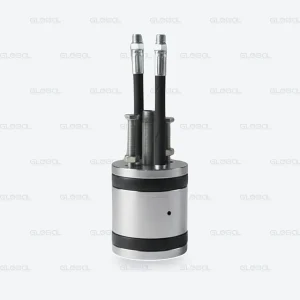
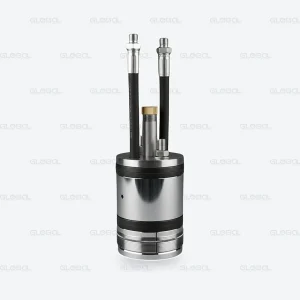
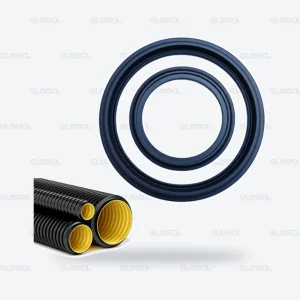

The test pressure is not a free choice. The code that governs the piping sets a minimum, and the weakest part of the system sets a maximum. Here is how three common codes start the calculation.
ASME B31.3: process piping
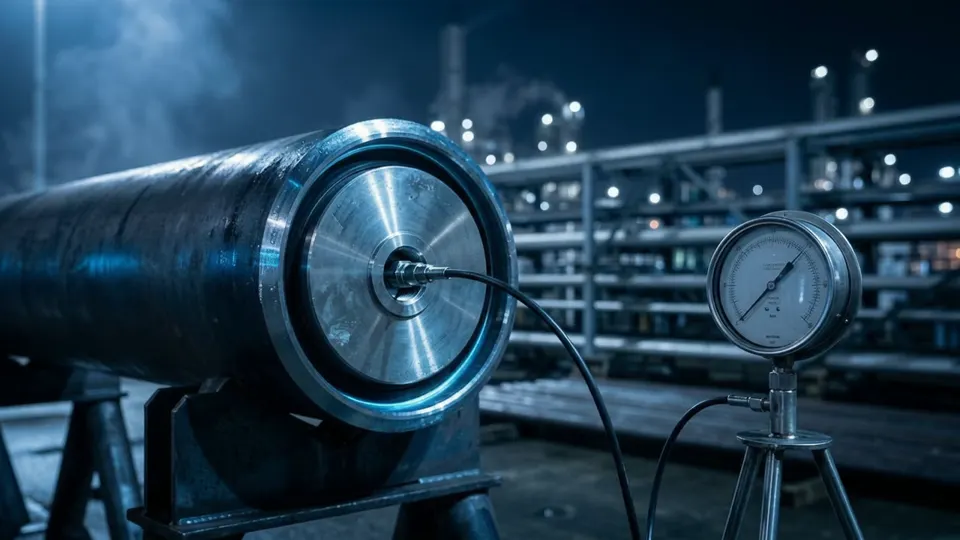
The hydrostatic test pressure is at least 1.5 times the design pressure, corrected upward when the design temperature is above the test temperature. The pressure is held for at least 10 minutes while the joints are examined.
Example: design 300 psi (20.7 bar) gives a minimum of 450 psi (31.0 bar) before any temperature correction.
ASME B31.4: liquid pipelines
The test pressure is at least 1.25 times the internal design pressure. The holding time and the test sections are set by the code and the operator’s procedure.
Example: design 1,000 psi (69 bar) gives a minimum of 1,250 psi (86 bar).
EN 805: water supply
The system test pressure is calculated from the maximum design pressure (MDP): the lower of MDP × 1.5 and MDP + 5 bar.
Example: MDP 10 bar (145 psi) gives the lower of 15 bar and 15 bar, so 15 bar (218 psi).
The upper limit
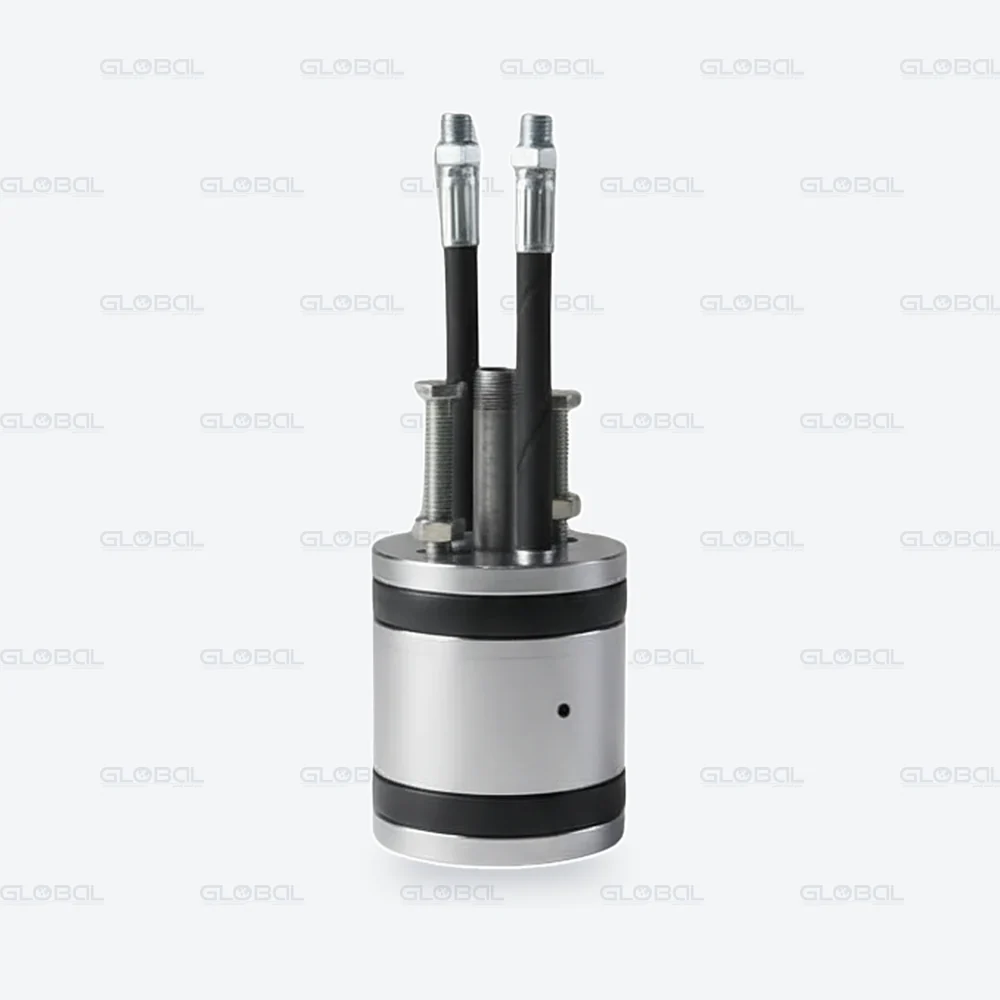
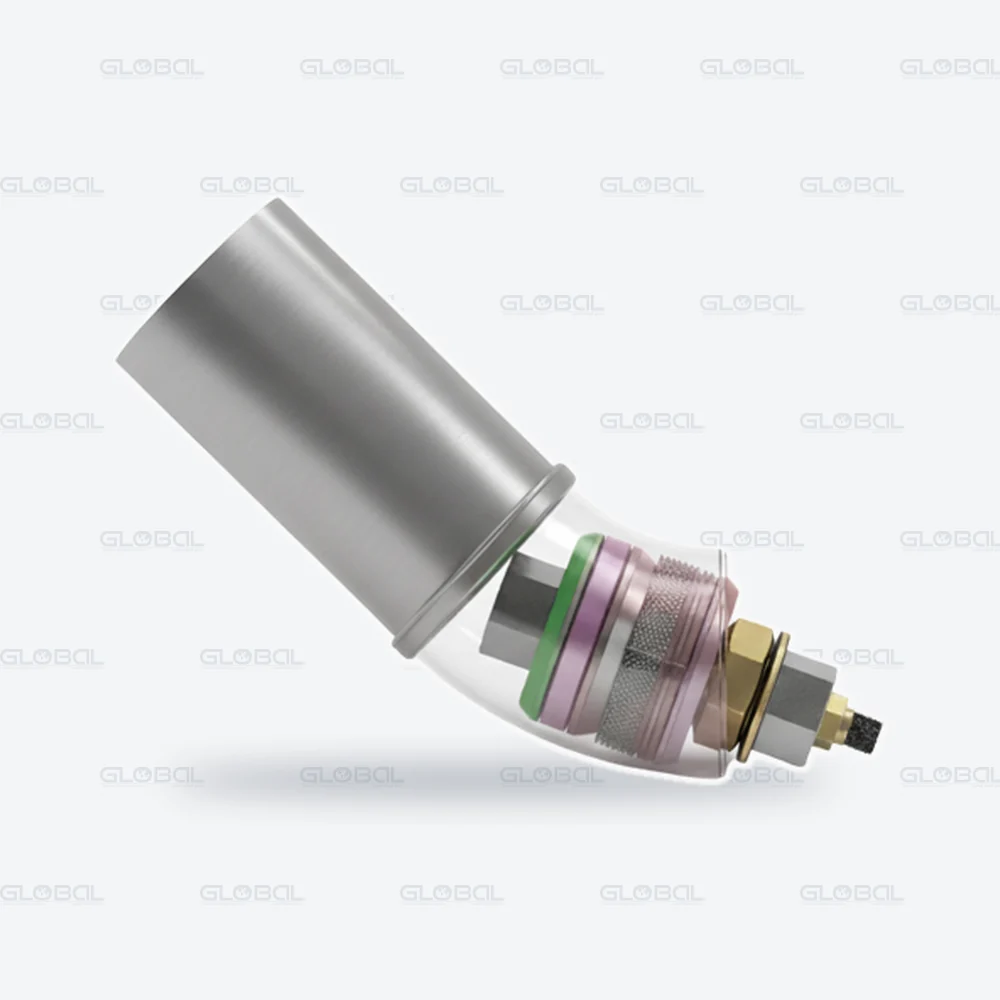
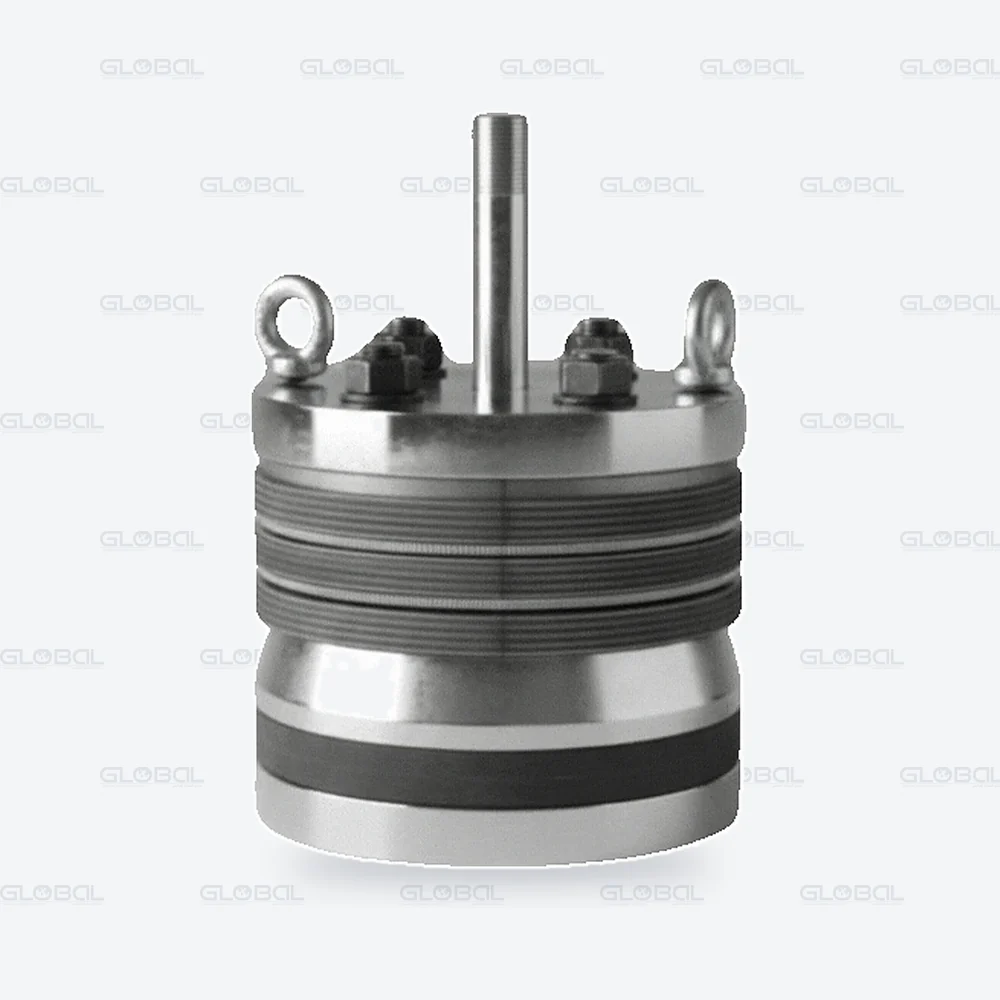
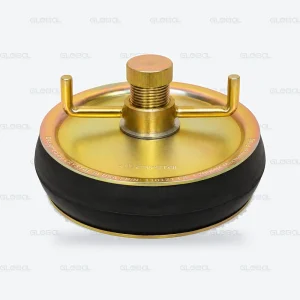
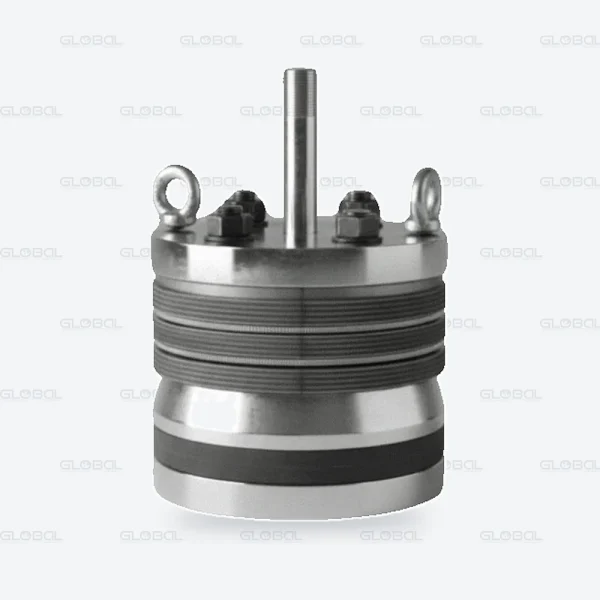
The test must never exceed the rating of the lowest-rated component, the test plugs included, or the limit the code sets for the pipe material. Our test pressure tool gives a first estimate; the project engineer confirms the final value.
This article is general guidance. Always follow your project specification and the manufacturer’s instructions.