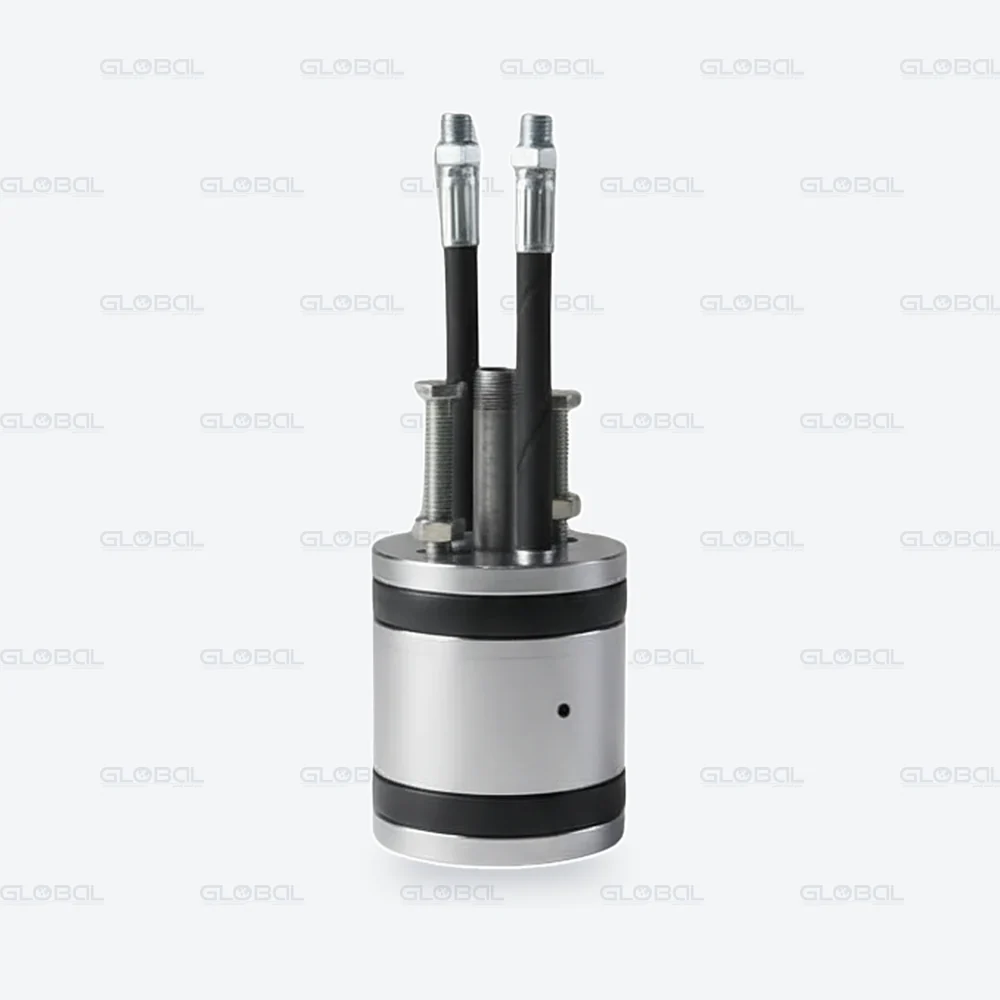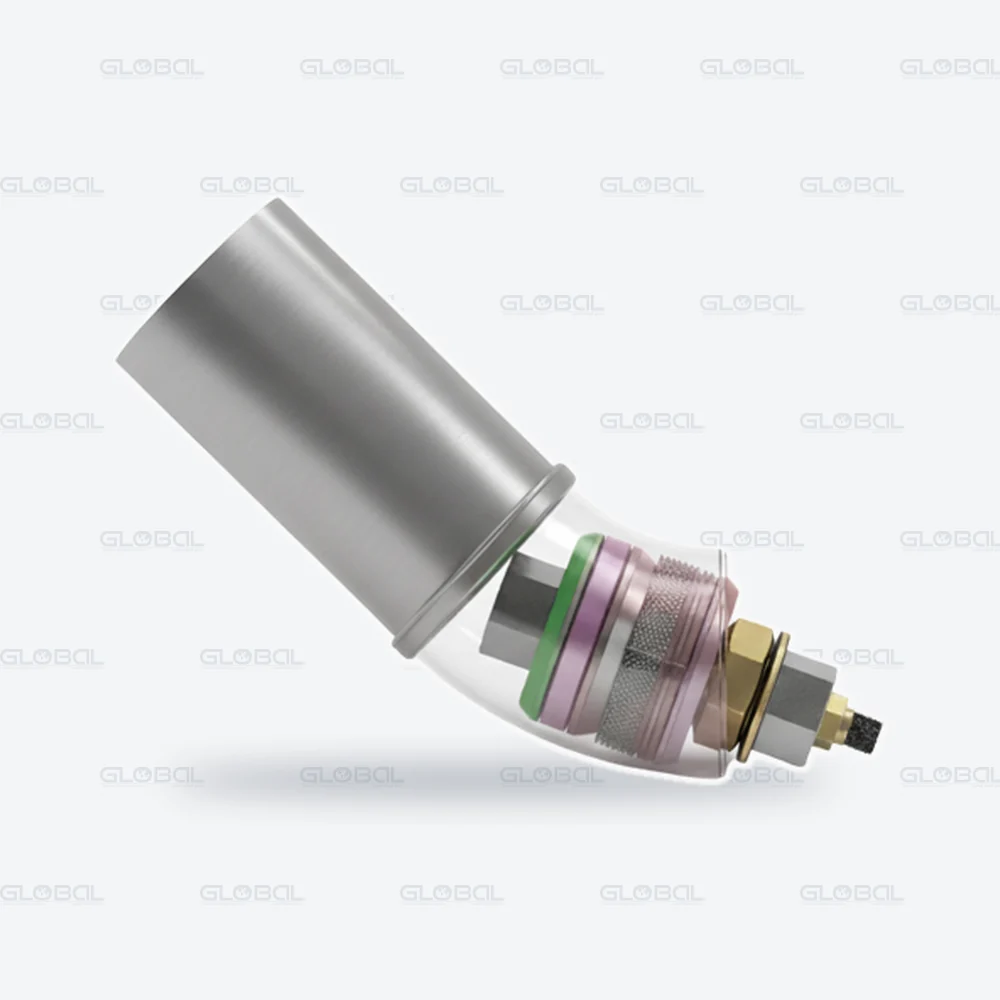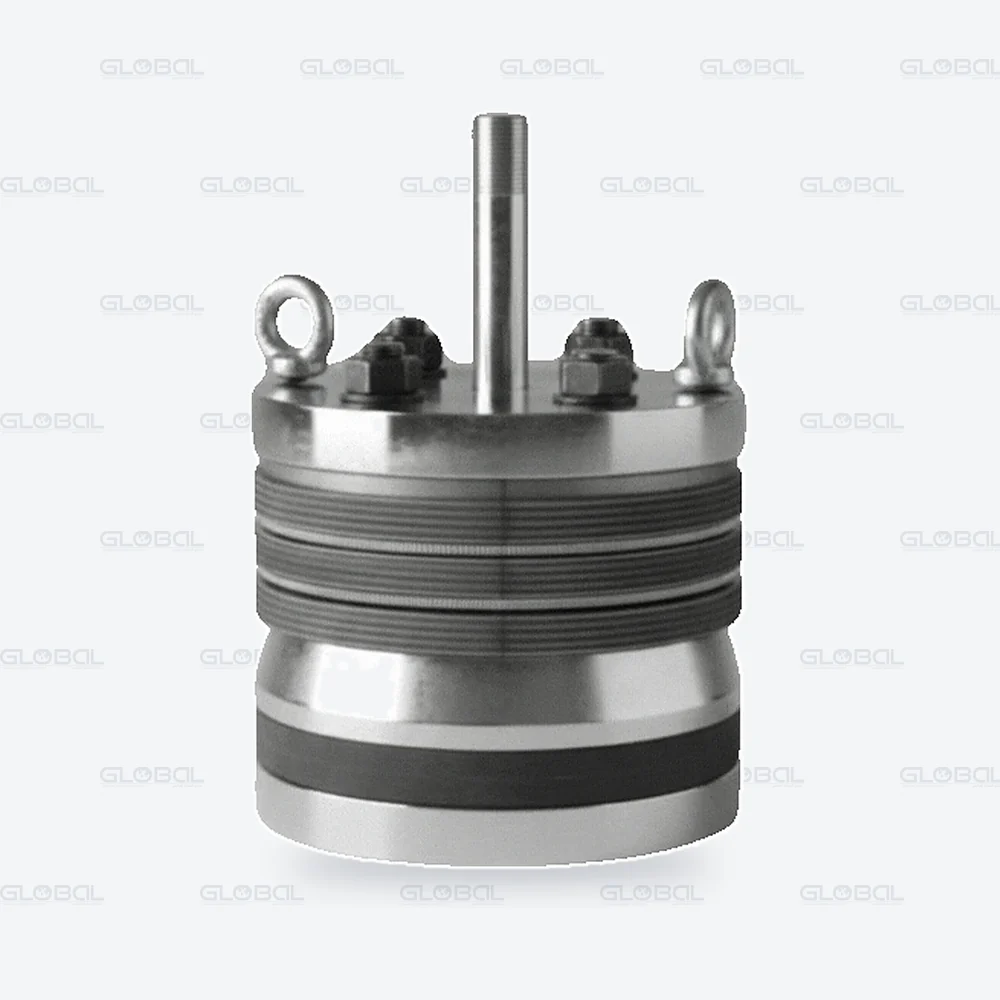




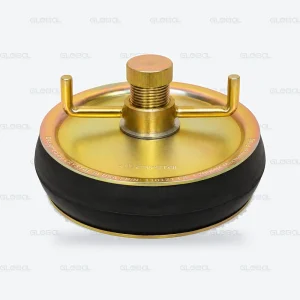
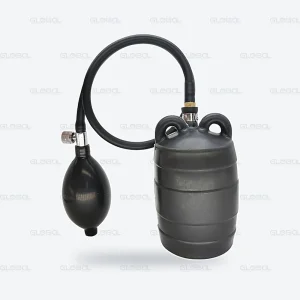
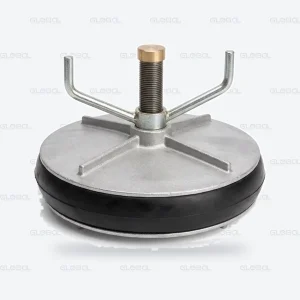
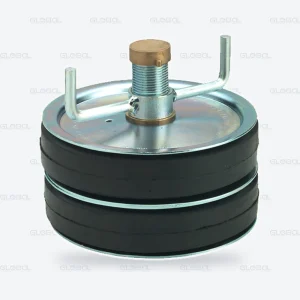
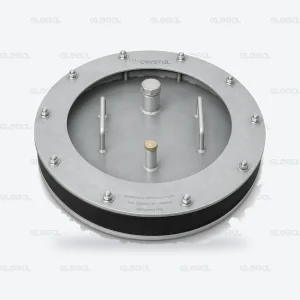
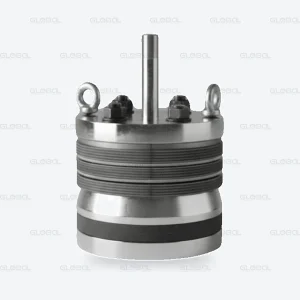
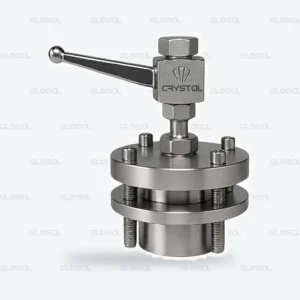
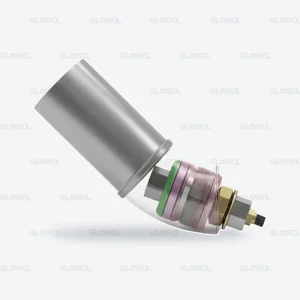
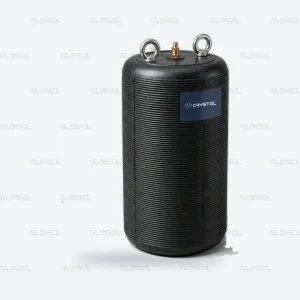
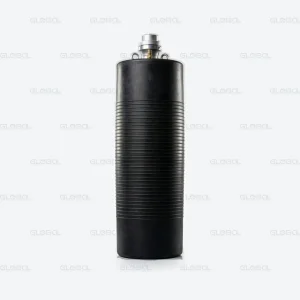
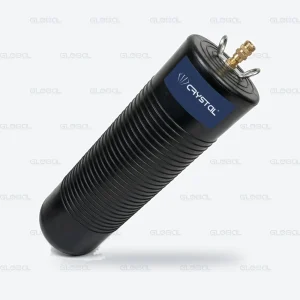
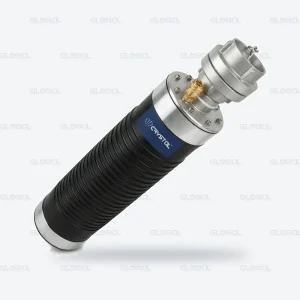
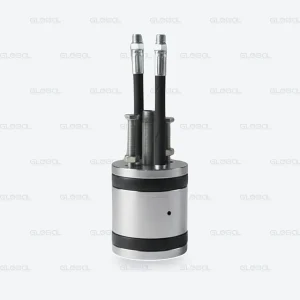
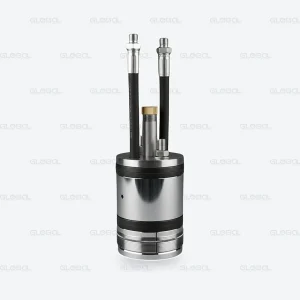
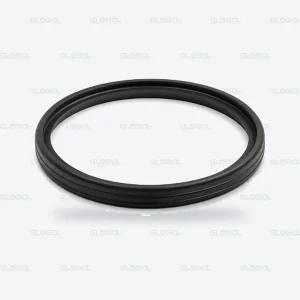
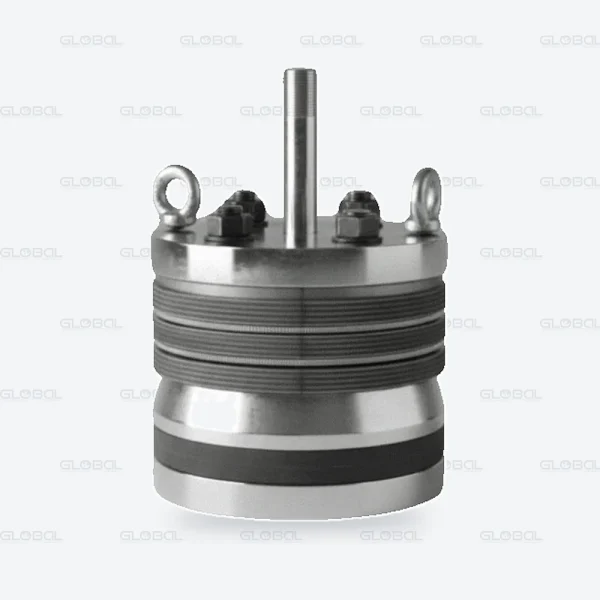

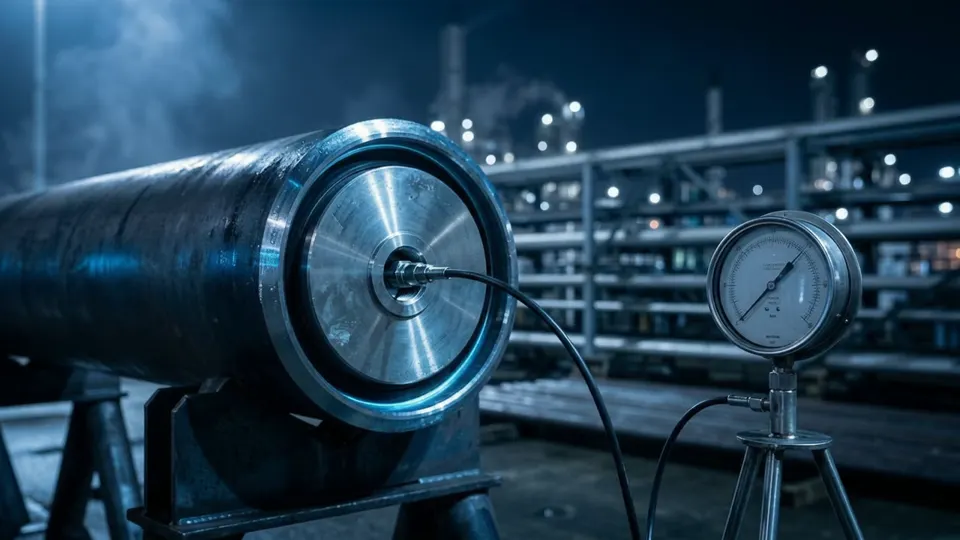



Test pressure pushes on everything that closes the line, and the end plugs take the full load. The force grows fast with the pipe size, which is why plugs and their restraint must be chosen with numbers, not by feel.
The formula
End force = test pressure × bore area. The area is π × D² ÷ 4, where D is the inside diameter.
A worked example
A 12″ (305 mm) bore tested at 100 psi (6.9 bar):
- Area = 3.1416 × 12² ÷ 4 = 113.1 in² (0.0730 m²).
- Force = 100 × 113.1 = 11,310 lbf (about 50.3 kN).
- That is roughly the weight of a 5-tonne load pushing on the plug.
Double the bore and the force is four times larger. The pipe calculator on our tools page works this out for any bore and pressure.
What this means on site
- Use a plug rated for the pressure, including any back pressure.
- Restrain or anchor the plug as its instructions require.
- Never stand in line with a plug while the line is under pressure.
- Release all pressure before you loosen or remove a plug.
Air is more dangerous than water
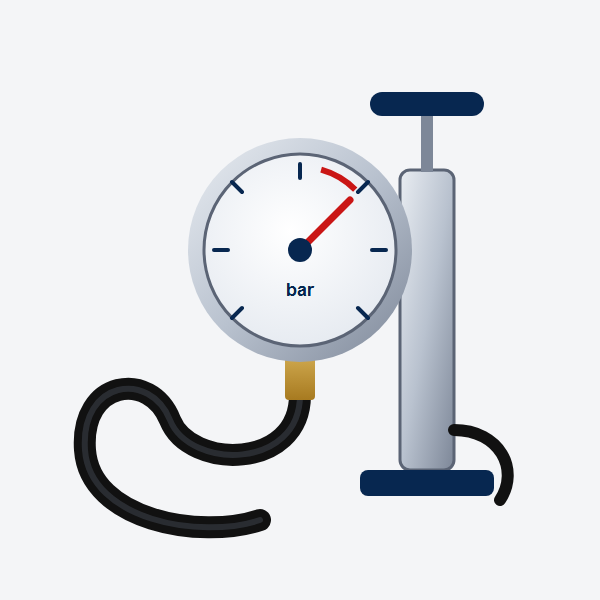
Compressed air stores far more energy than water at the same pressure. If a plug fails during an air test, it leaves the pipe with much more force. Prefer water whenever the specification allows.
This article is general guidance. Always follow your project specification and the manufacturer’s instructions.