






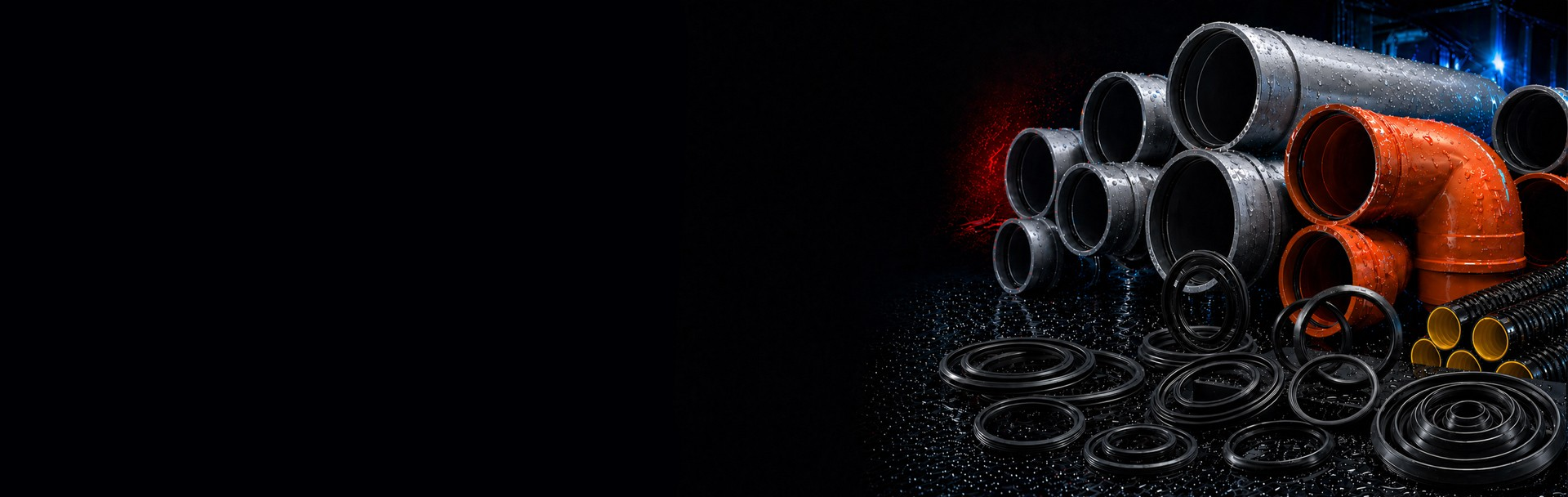
A pipe joint is only as good as its rubber ring. EN 681-1 is the European standard for vulcanised rubber seals used in water supply, drainage and sewerage pipe joints, and it is widely referenced in project specifications.
What the standard checks
EN 681-1 sets material requirements for the ring rubber and classifies seals by application and hardness. Typical properties covered include:
- Hardness and its tolerance.
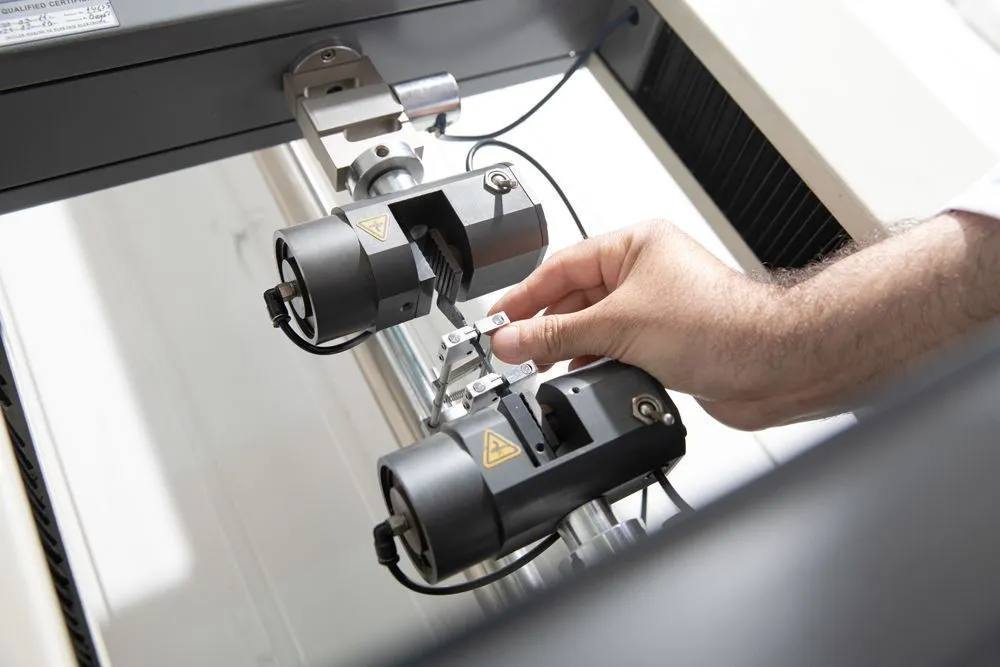
- Tensile strength and elongation.
- Compression set: how much the ring recovers after being squeezed.
- Ageing, stress relaxation and low-temperature behaviour.
- Volume change in water.
Potable water needs more
A ring for drinking water must also be approved for contact with potable water under the rules of the market where it is used. Ask for the approval that your project specification names.
The ring is only half the joint
The profile of the ring must match the socket of the pipe. A correct ring in the wrong socket, a dirty groove or the wrong lubricant can still leak. Use only lubricant approved for the ring rubber, never oil or grease.
Our rings
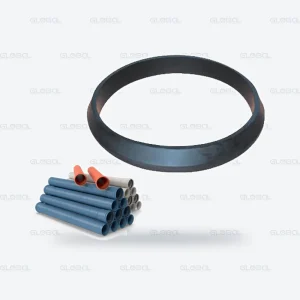
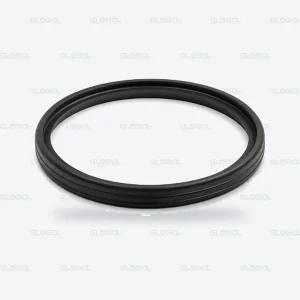
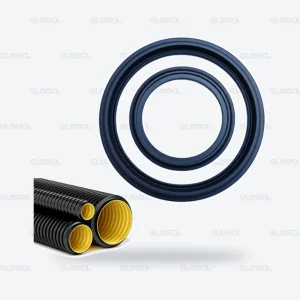
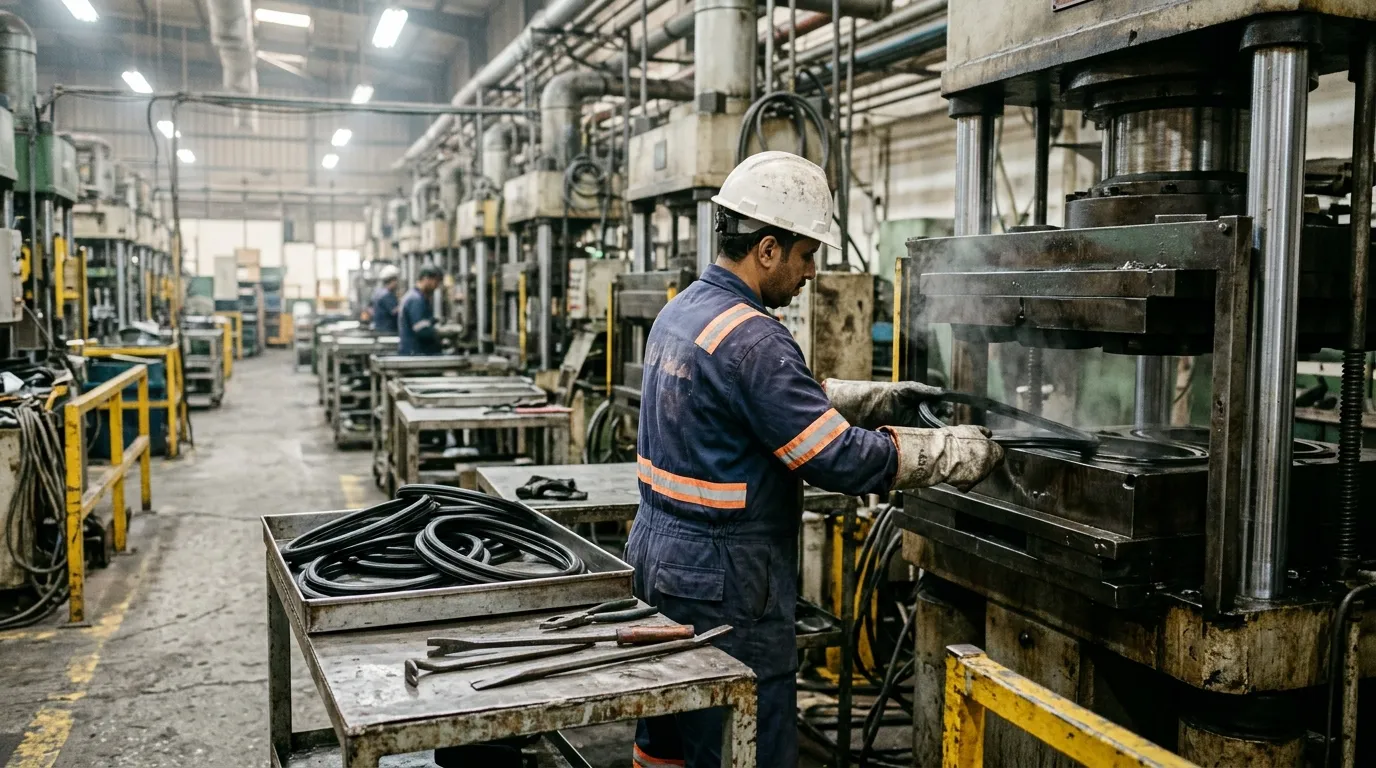
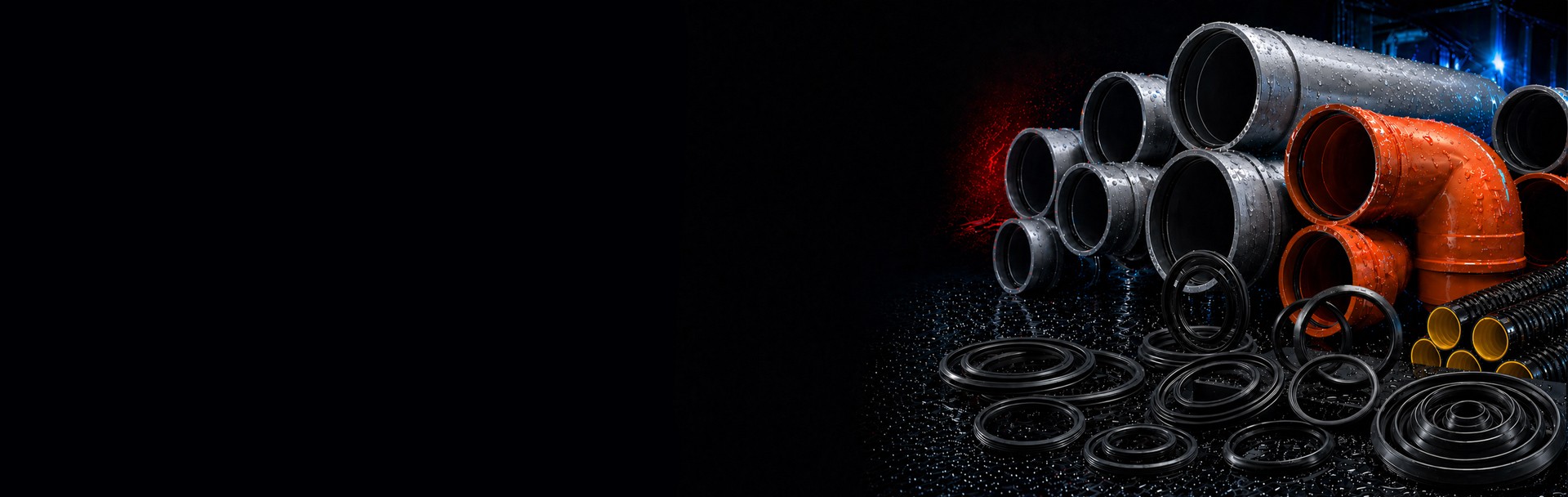
We make TRIO-SEAL™ rings for PVC and UPVC pipes, LIPRO-SEAL™ lip seals for PVC-U pipes and fittings, and CORA-SEAL™ rings for HDPE corrugated pipes, in EPDM or SBR. Each product page lists the sizes, part numbers and the standards it refers to.
This article is general guidance. Always follow your project specification and the manufacturer’s instructions.