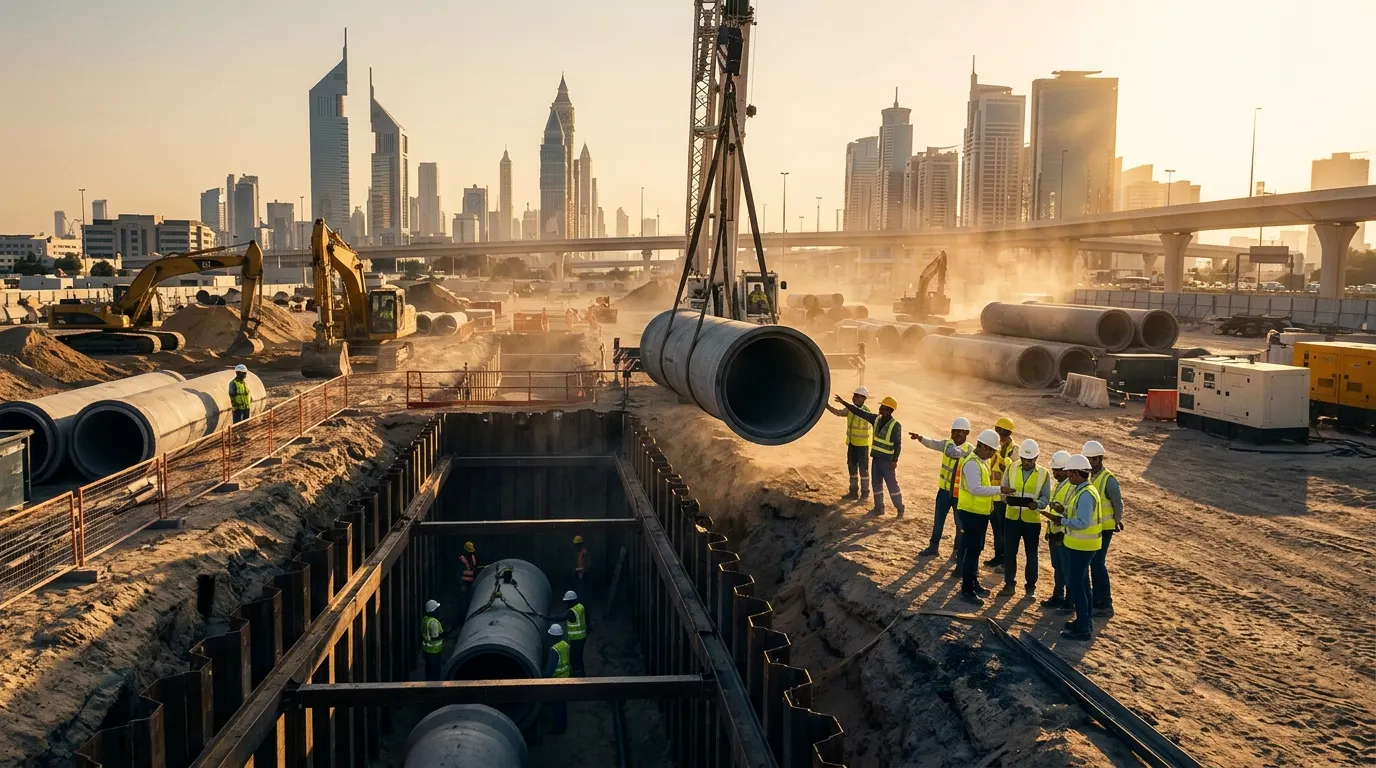
Long summers, strong sunlight and high surface temperatures age rubber fast. EPDM is the usual answer for outdoor and water service in the Gulf, but it has limits worth knowing.
Why EPDM resists weather
EPDM has a saturated polymer backbone. Ozone and UV light attack the double bonds in rubbers such as natural rubber and SBR; EPDM has very few of them in its main chain, so it keeps its properties much longer in sun and ozone.
Good for water and steam
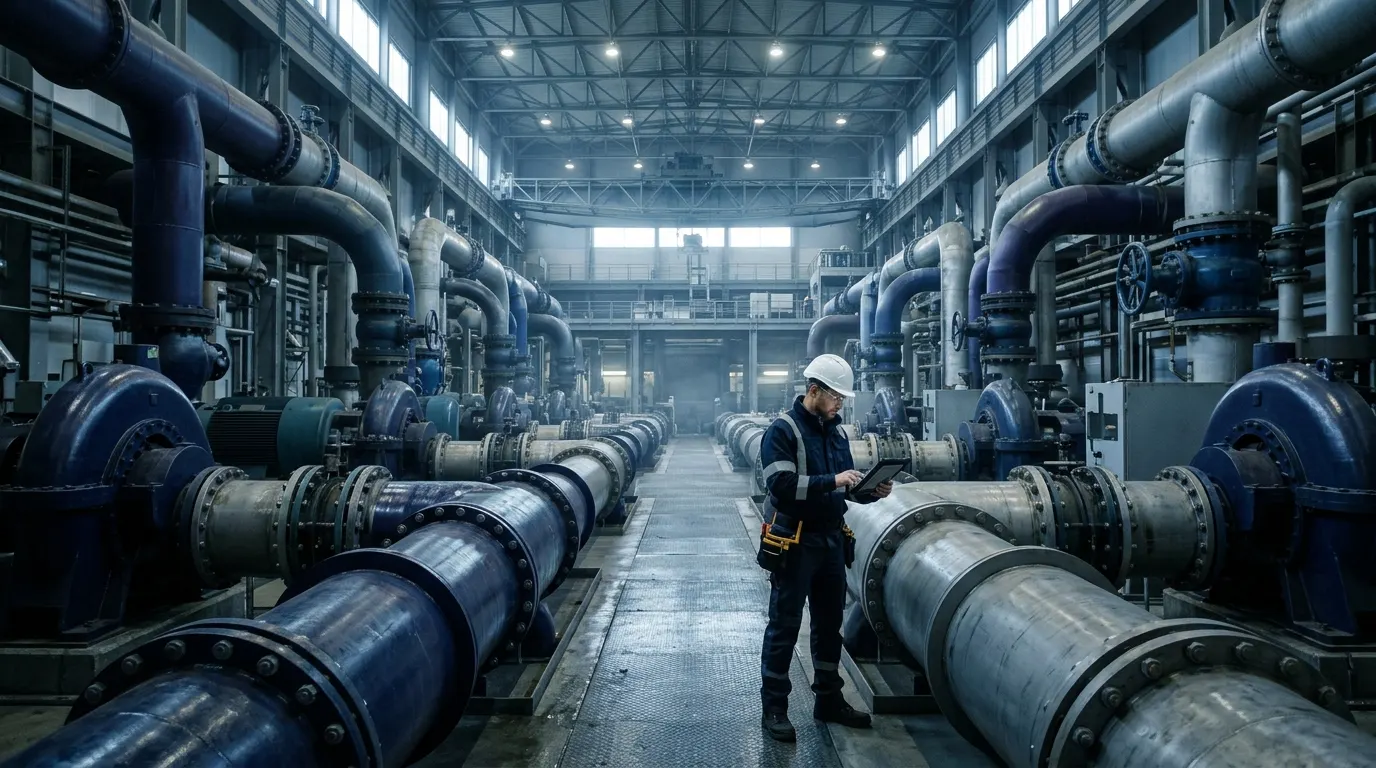
EPDM resists water, steam, many dilute acids and alkalis, and it is widely used for water-supply and drainage seals. For drinking water, the compound itself must also meet the potable-water approval required in the project or country.
Where EPDM is the wrong choice
- Mineral oils, fuels and greases: EPDM swells and loses strength. Use NBR or another oil-resistant rubber.
- Petroleum-based pipe lubricants: use only a lubricant approved for EPDM.
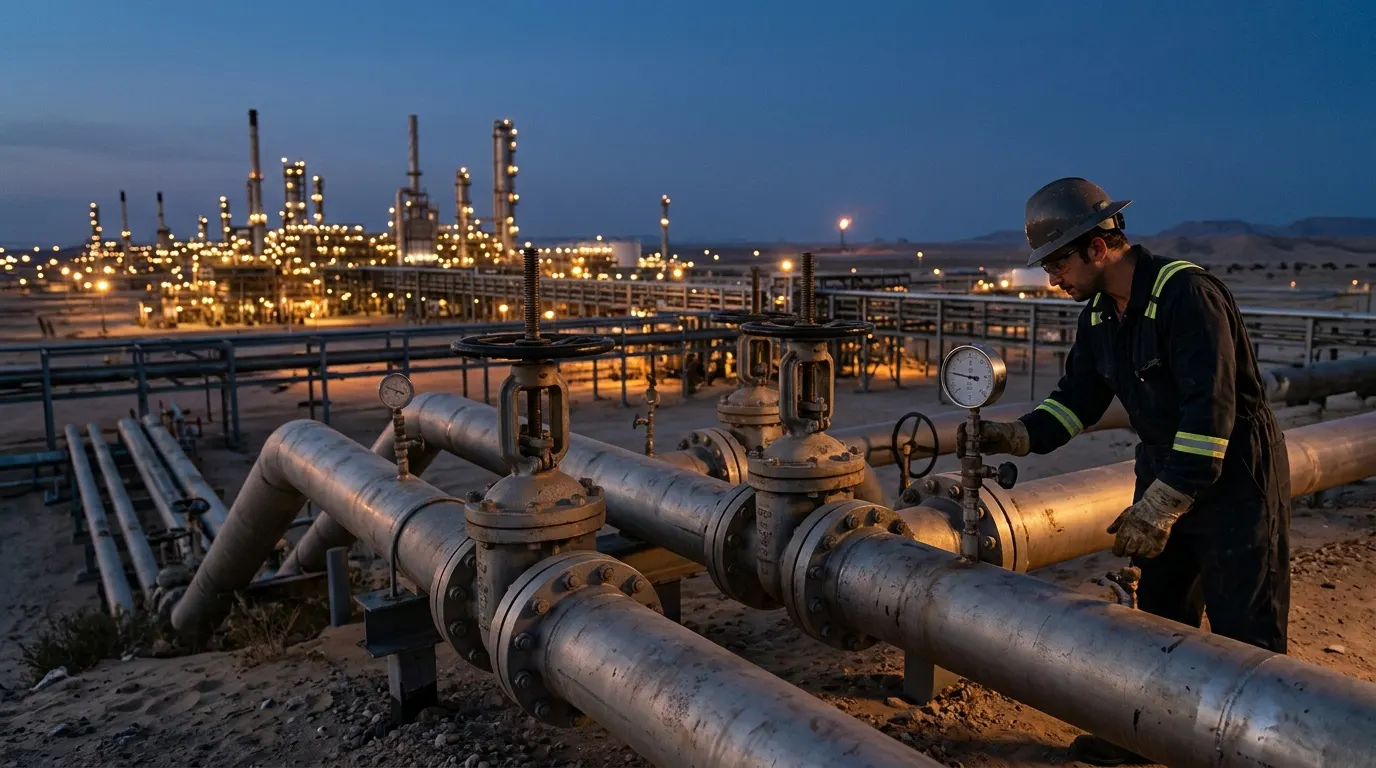
- Hydrocarbon process lines: check compatibility before you choose any compound.
Heat on site
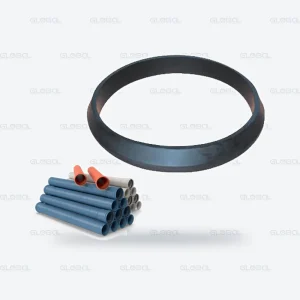
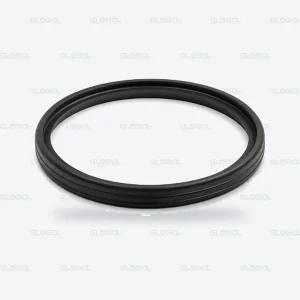
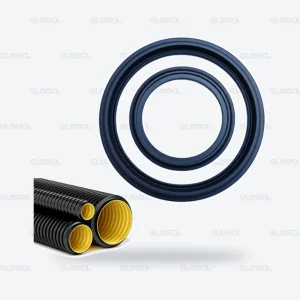
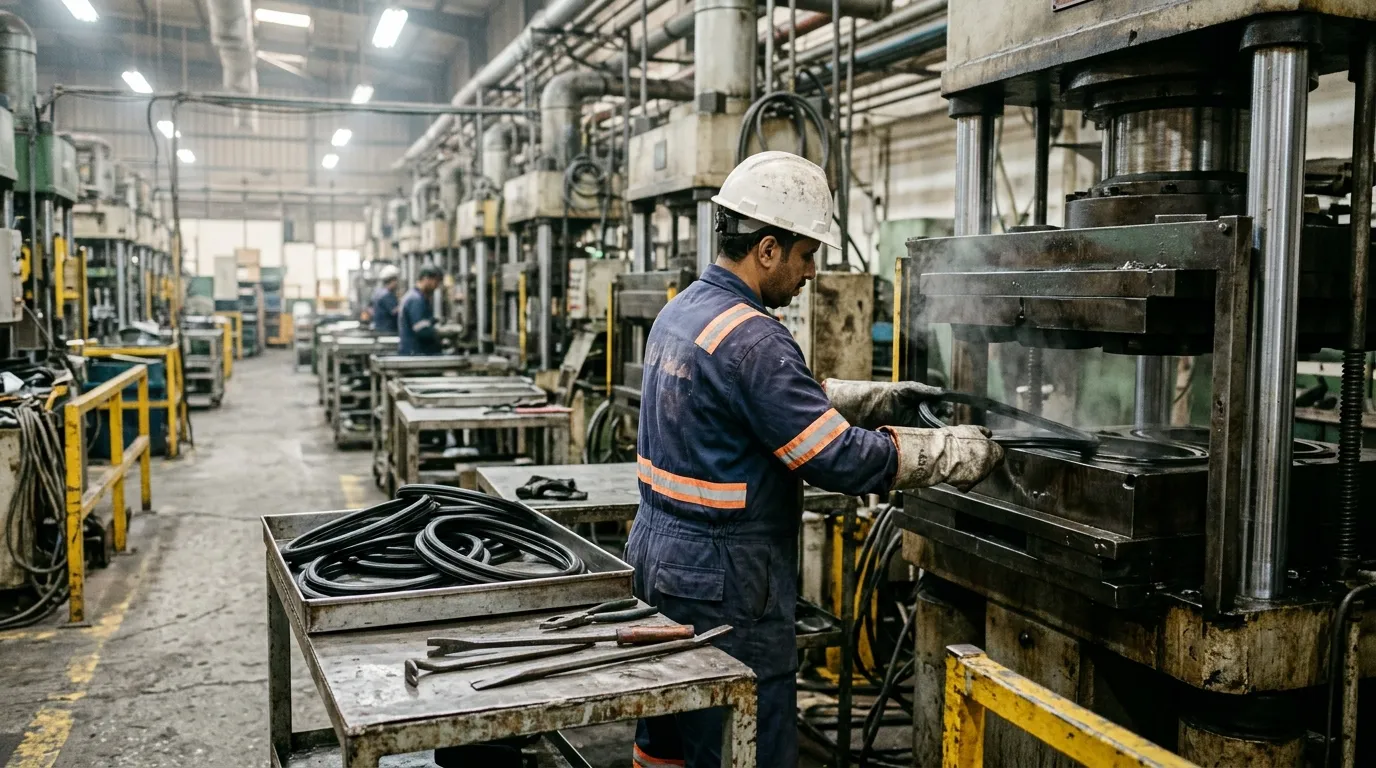
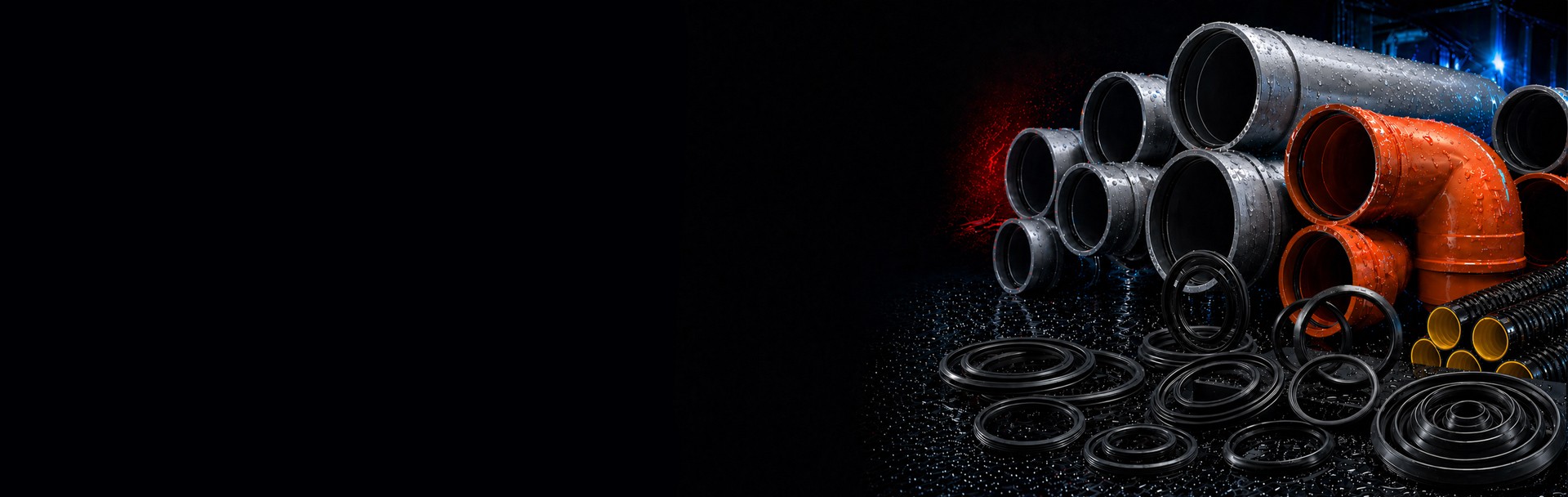
Rubber parts stored in direct sun on site can reach temperatures far above the air temperature. Keep seals and rings in their packing, shaded and away from motors and welding (ozone sources) until they are fitted. Our pipe rubber rings come in EPDM as standard for this reason, with SBR on request.
This article is general guidance. Always follow your project specification and the manufacturer’s instructions.