

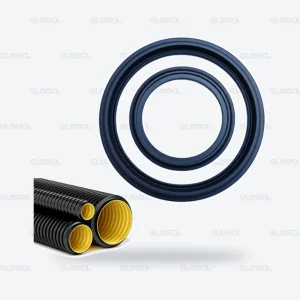
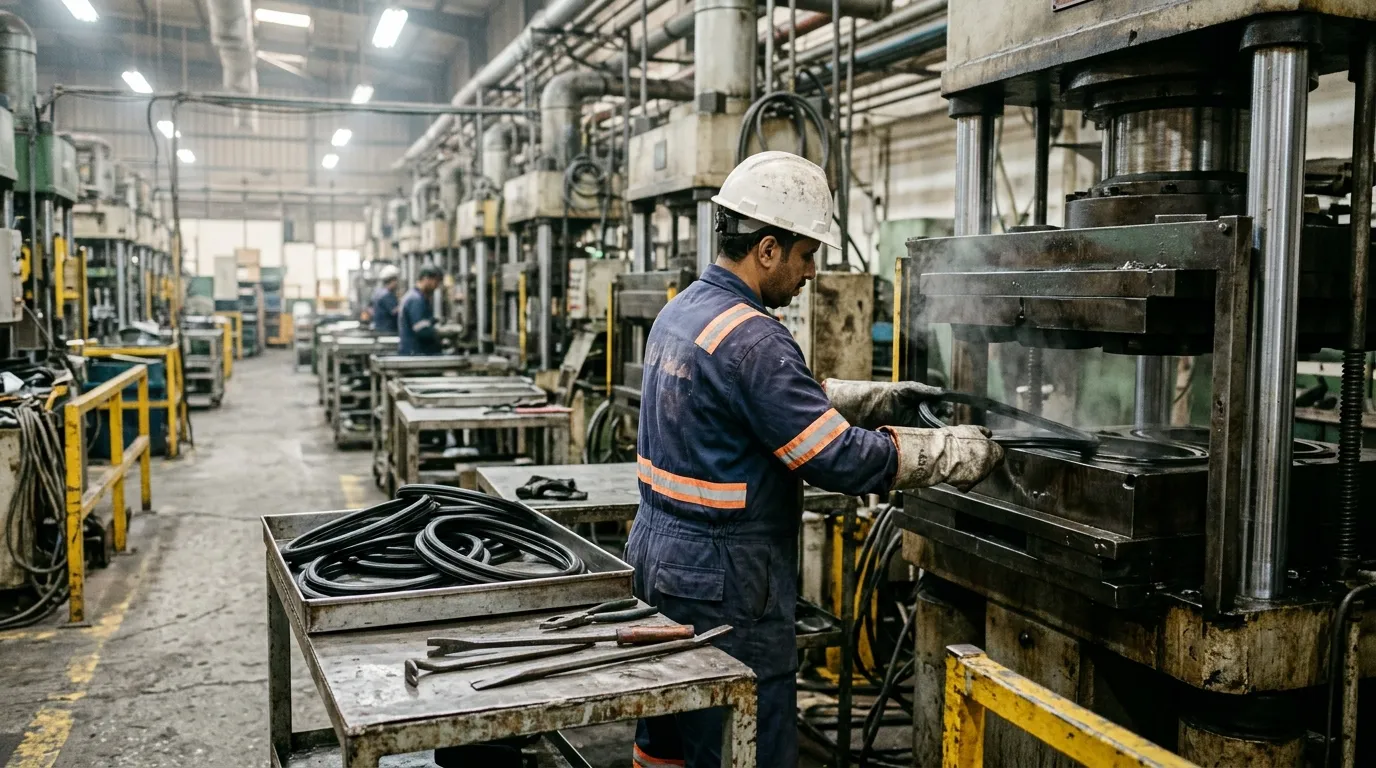
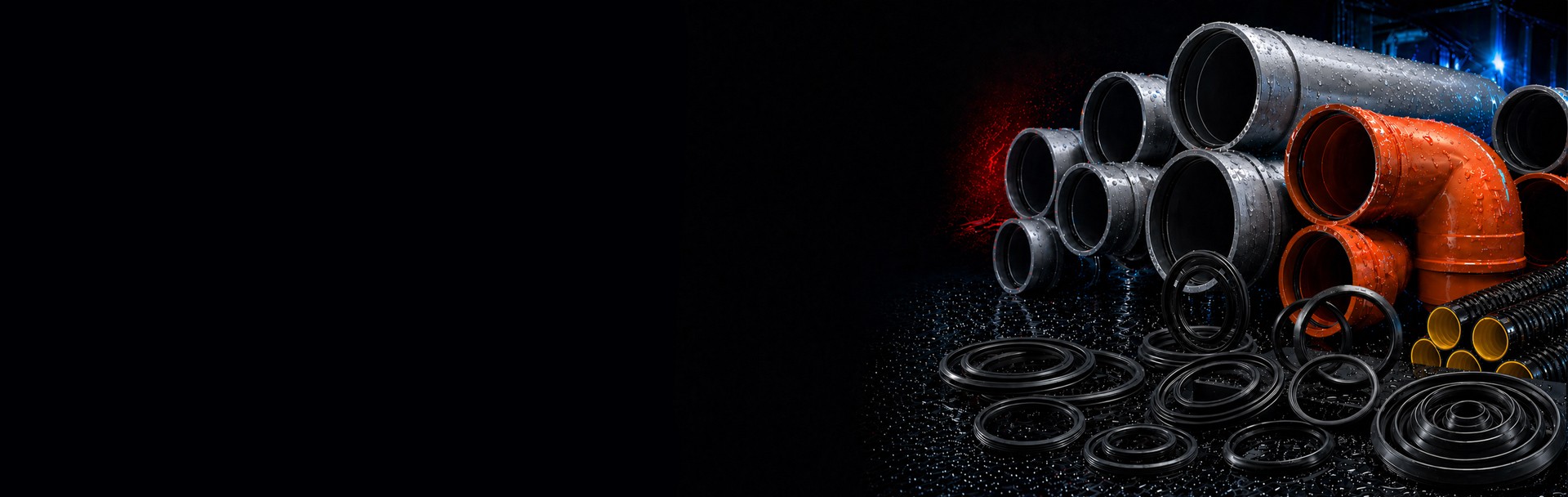

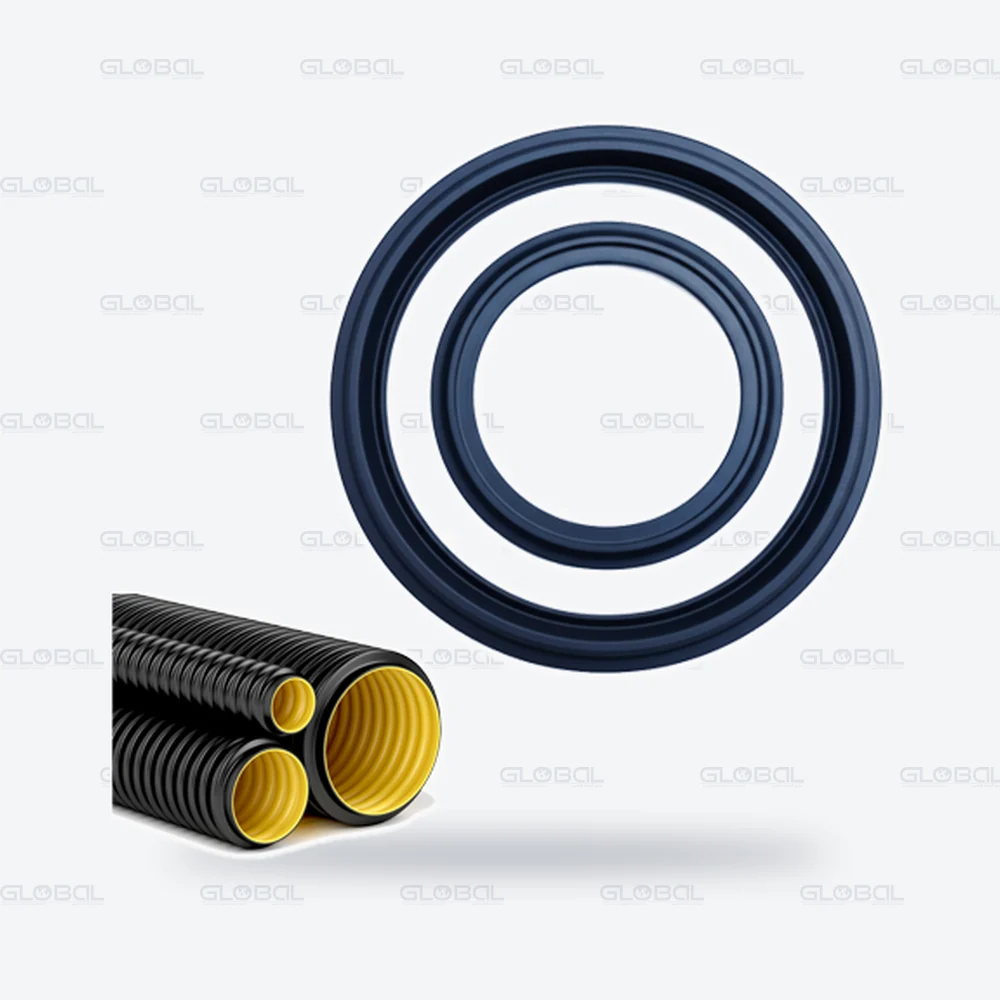
Corrugated (structured-wall) polyethylene and polypropylene pipes are light and strong, and their joints rely on a rubber ring. A small part, but it decides whether the line stays tight for decades.
Where the ring sits
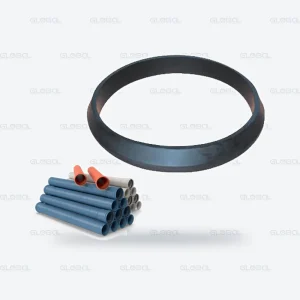
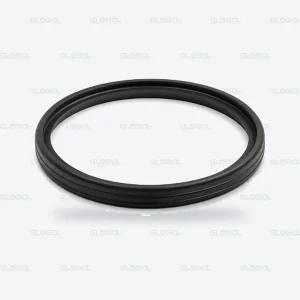
On most corrugated pipes the ring sits in the first corrugation valley of the spigot end and seals against the smooth bore of the socket. Our CORA-SEAL™ is made this way, with fins that press against the socket.
What the standards ask
- The pipes are made to EN 13476 in stiffness classes such as SN4 and SN8.
- The ring rubber meets EN 681-1; CORA-SEAL™ is EPDM, type WC, hardness 60 ± 5 IRHD.
- Sizes from 100 to 800 mm (4″ – 32″).
Making a good joint
- Clean the spigot, the valley and the socket.
- Seat the ring fully in the valley without twisting it.
- Use only a pipe lubricant approved for the ring material, never oil or grease.
- Push the pipe home straight; large sizes are joined with a pipe puller.
Testing the line
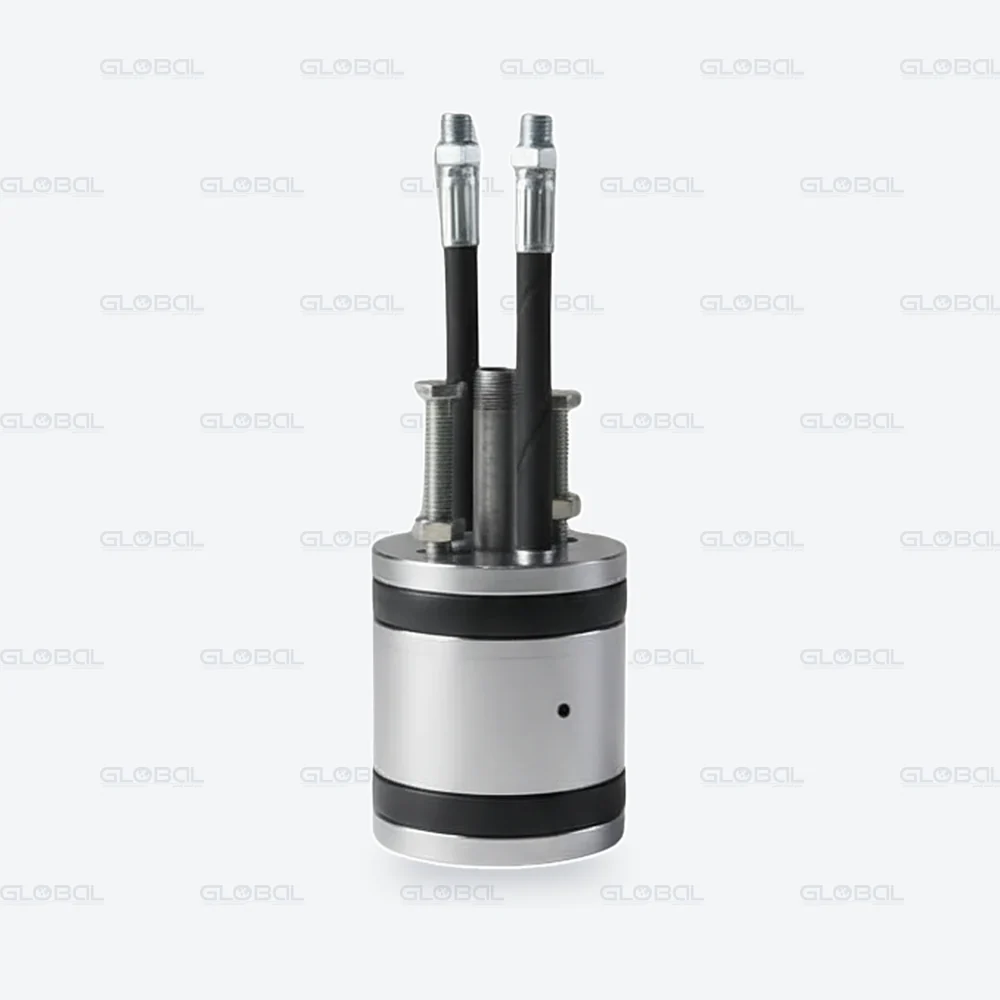
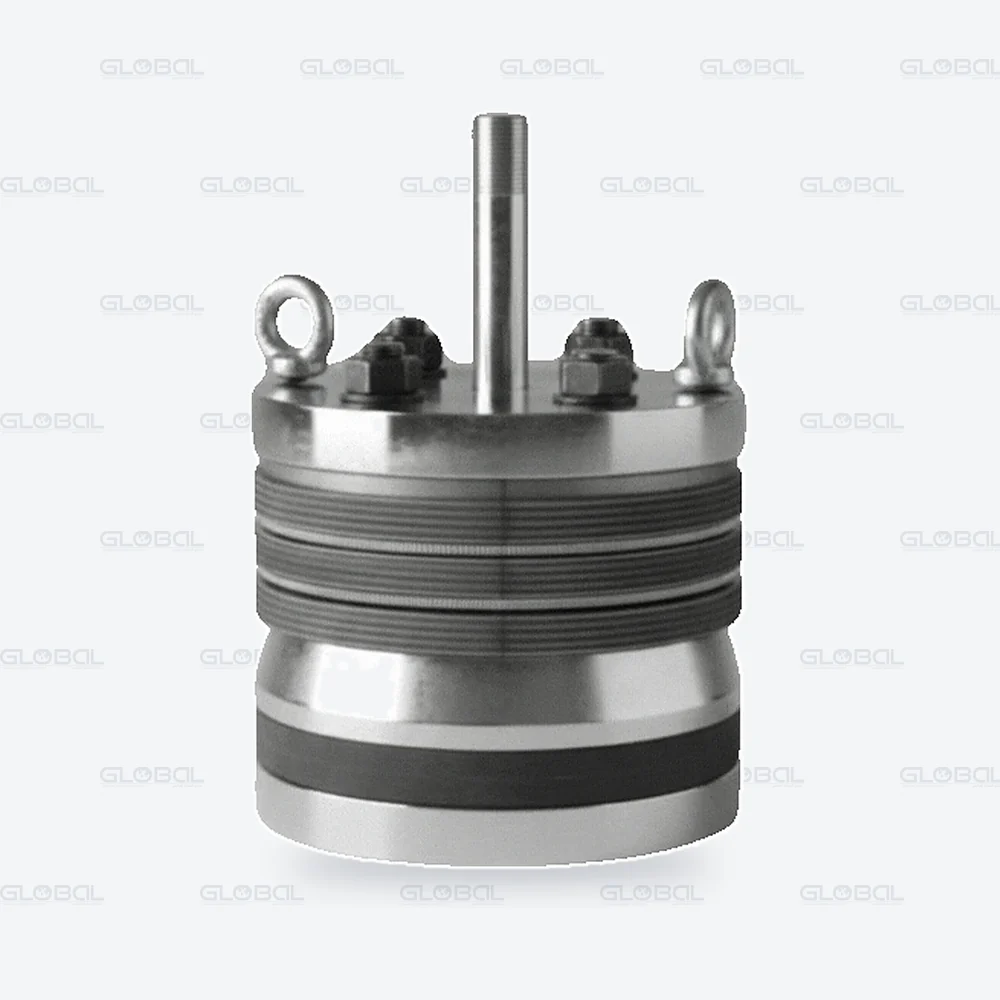
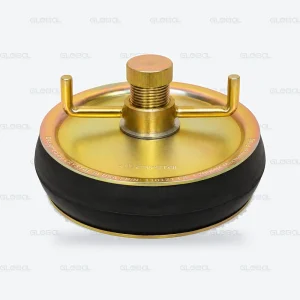
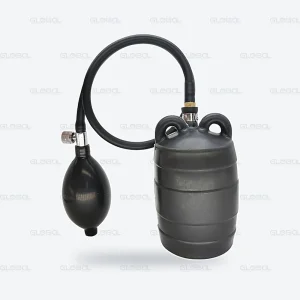
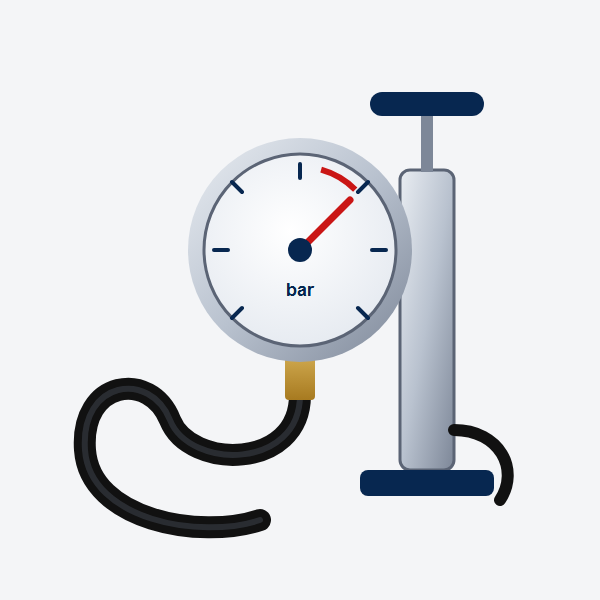
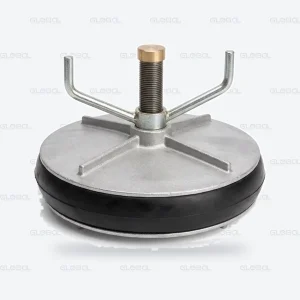
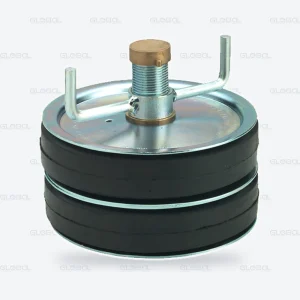
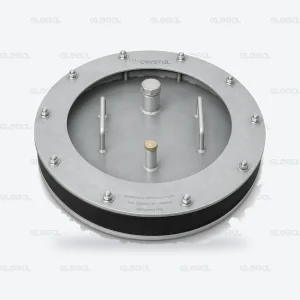
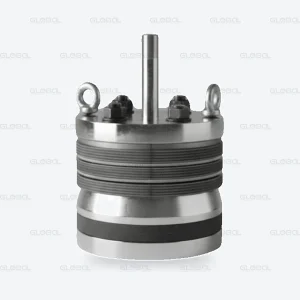
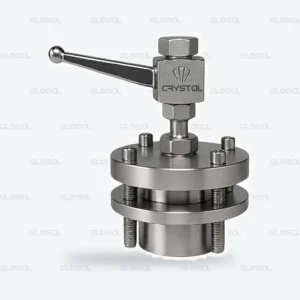
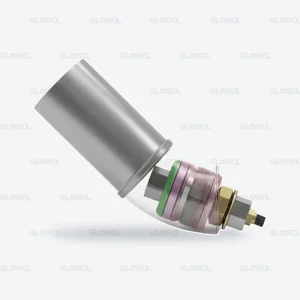
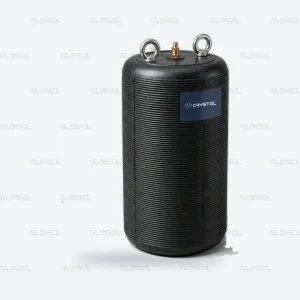
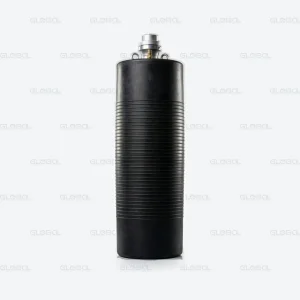
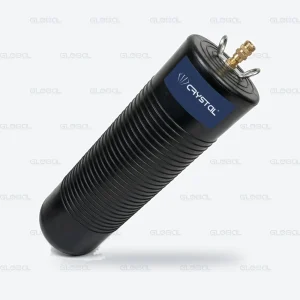
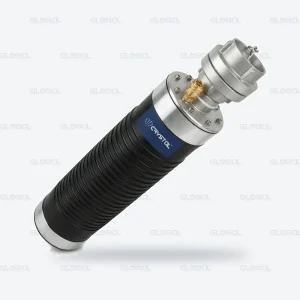
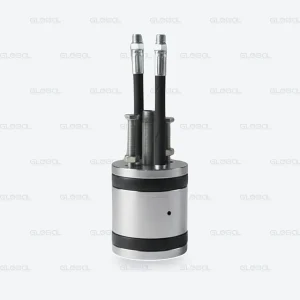
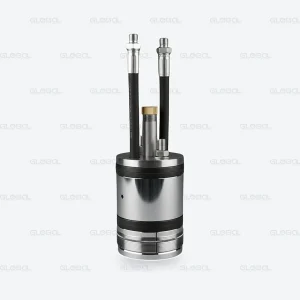
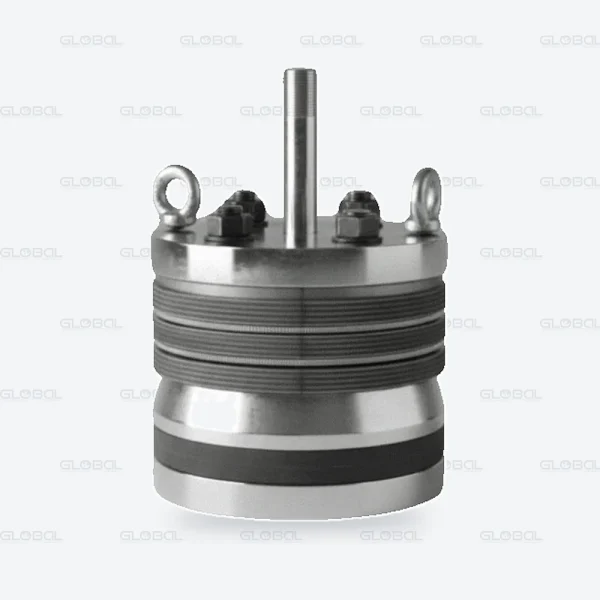
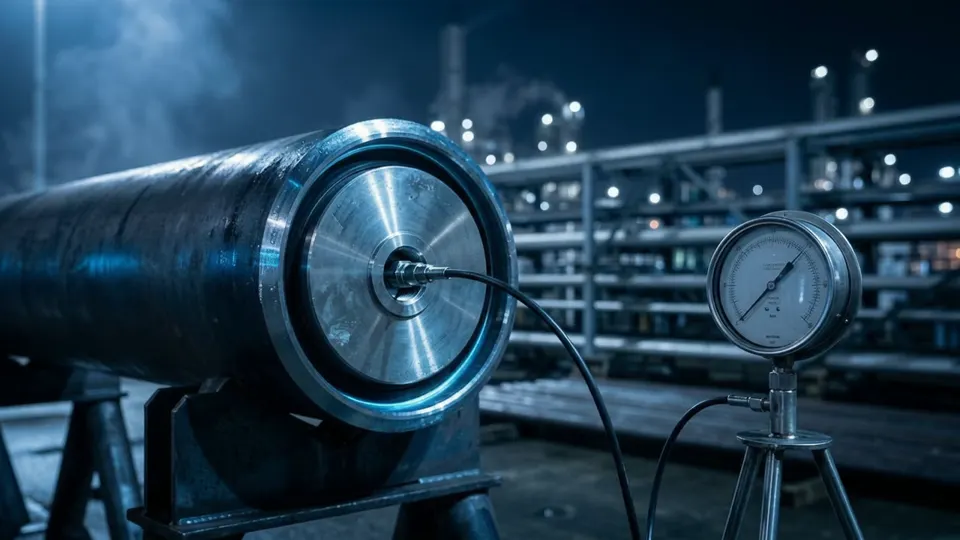
After jointing, the section is tested for tightness with air or water as the project specification requires, using test plugs at both ends.
This article is general guidance. Always follow your project specification and the manufacturer’s instructions.